Counting the waves…
Counting the waves…
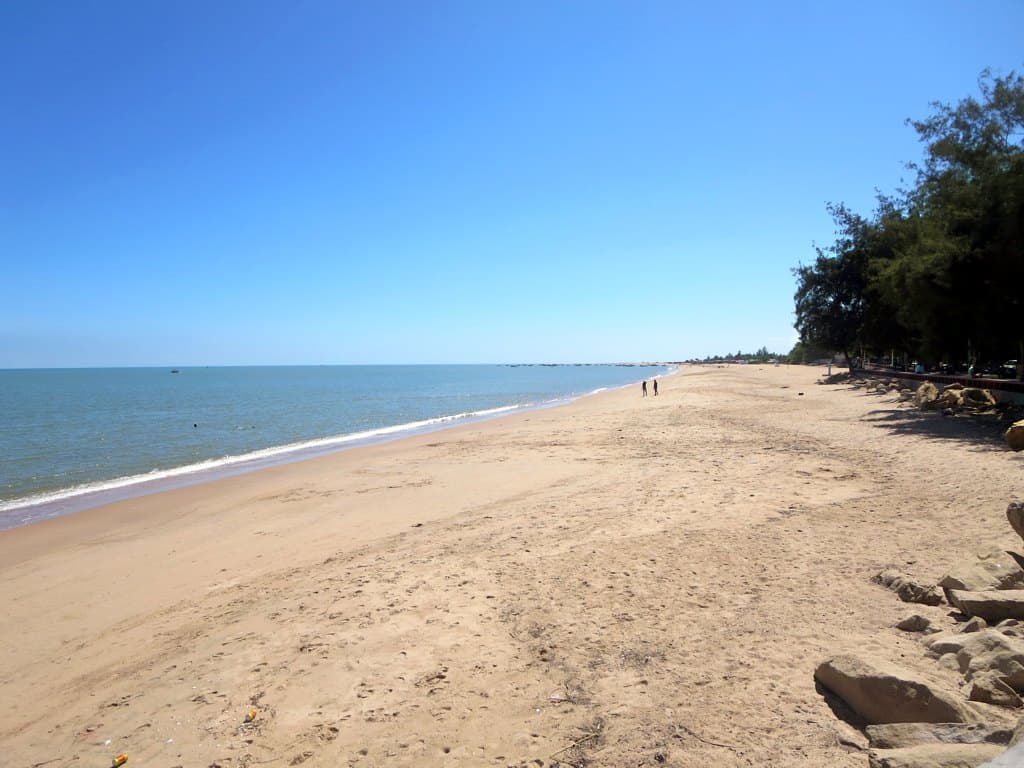
Praia da Caotinha operates on dual frequencies: the tranquil underwater theater visible through mask and snorkel, and the kinetic surface energy that keeps surfers paddling back out. The beach itself serves as neutral ground where both communities coexist, their gear scattered across sand in distinct piles—fins and masks here, wax and leashes there. The water clarity fluctuates with tide and recent weather, but on good days, you can count individual scales on fish from three meters away. The reef structure creates this versatility. Submerged rock formations provide habitat for marine life while simultaneously shaping incoming swells into surfable forms. You'll notice snorkelers congregating in the calmer inside sections where coral-encrusted boulders create natural aquariums. Meanwhile, surfers position themselves further out where the reef's contours focus wave energy into defined peaks. During optimal conditions, you can snorkel the morning session, break for lunch, then surf the afternoon swell as wind and tide shift favorably. Fame brings traffic, and Praia da Caotinha sees more visitors than secluded alternatives. Weekends draw crowds from Benguela proper—families, fishermen, students, tourists forming a democratic mix of beach users. The scene buzzes with activity but never feels oppressive; the coastline offers enough space for everyone to carve out territory. Food vendors work the sand with grilled prawns and cold drinks, their presence woven into the beach's established rhythm.
Places, rentals, tours and events within walking and driving distance of Praia da Caotinha.
Photos
Praia da Caotinha is known for both snorkeling and surfing, indicating variable water conditions. Snorkeling areas typically have calmer, clearer waters, while surf zones have stronger waves and currents. Swimmers and snorkelers should stay away from active surf breaks and choose protected areas. Water clarity and conditions vary with tides and seasons. Always assess conditions before entering the water, use appropriate snorkeling equipment, and never snorkel alone. The beach's popularity suggests established safe zones, but visitors should seek local advice about current conditions and designated areas for different activities.
For snorkeling at Praia da Caotinha, the dry season from May to October generally offers the best conditions with calmer seas, better water clarity, and more stable weather. During these months, visibility underwater tends to be superior, allowing better observation of marine life. Early morning often provides the calmest conditions and clearest water before afternoon winds pick up. Surfing conditions may be optimal at different times depending on swells. Check tide schedules, as some snorkeling spots are better accessed during specific tidal conditions for safety and visibility.
Praia da Caotinha is located in Benguela, making it accessible from the city center. Visitors can reach the beach by taxi, private vehicle, or local transportation from Benguela town. The beach's popularity as a famous snorkeling and surfing spot means locals can easily provide directions. If traveling from Luanda, take a domestic flight to Benguela (approximately one hour) or drive along the coastal highway (about 500 kilometers). From Benguela city, the beach is a short journey. Ask at your accommodation for specific directions and current road conditions.
As a popular beach destination in Benguela, Praia da Caotinha likely has beach vendors and possibly small restaurants or bars offering refreshments and local cuisine, particularly fresh seafood and grilled fish. The beach's fame suggests some level of infrastructure for visitors, though facilities may be basic. Snorkeling equipment might be available for rent, though bringing your own is advisable. For extensive dining and shopping, Benguela city center is nearby. Carry cash for beach purchases, and consider bringing your own snacks, water, and sun protection for a full day visit.
Snorkeling at Praia da Caotinha offers the opportunity to explore Angola's Atlantic marine environment, though specific marine life varies with conditions. The beach's reputation suggests accessible snorkeling areas with interesting underwater features, possibly including rocky outcrops, coral formations, or diverse fish species common to the Benguela coast. Water temperatures are generally moderate due to the cool Benguela current. Visibility depends on weather, tides, and season. The combination of snorkeling and surfing indicates varied underwater topography. Always snorkel within your ability level and preferably with a buddy for safety.