Counting the wavesβ¦
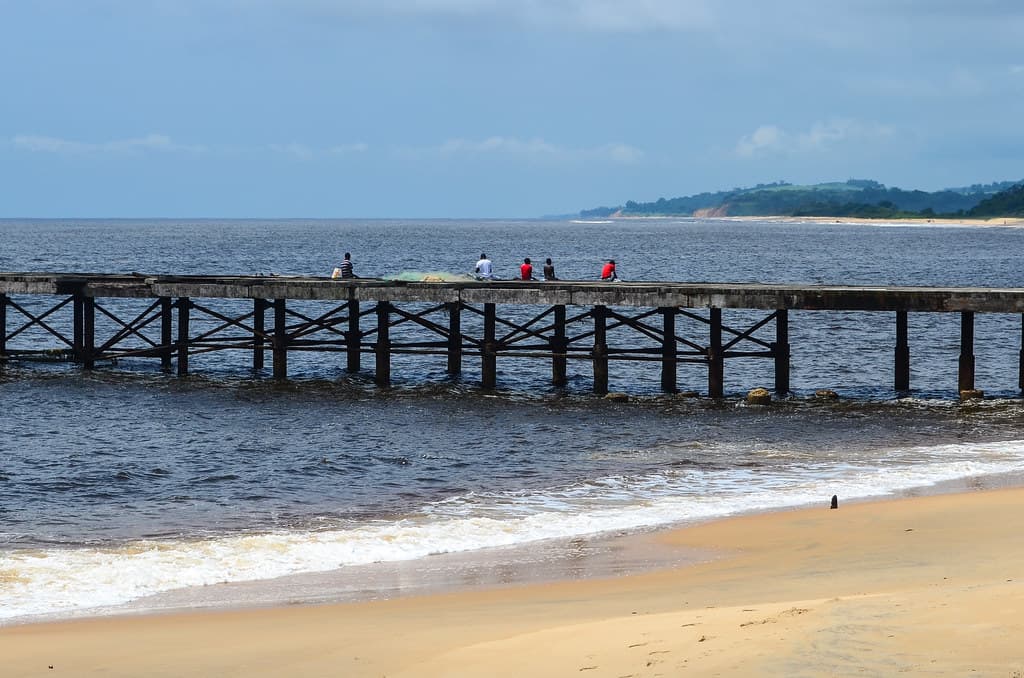
You paddle through the shore break as dawn light turns the ocean surface to hammered copper, the water temperature hovering just cool enough to make you grateful for your wetsuit. The point breaks left and right depending on the swell direction, offering long rides that peel across the sandy bottom with predictable rhythm. Between sets, you sit on your board watching fishing pirogues motor past, their crews checking nets set overnight. The beach stretches in both directions, backed by palms and dense vegetation that press almost to the high-tide line. A few local surfers nod in greetingβthe lineup here operates on mutual respect and wave-sharing protocols refined over years of shared sessions. By mid-morning, the offshore wind strengthens, holding wave faces vertical for an extra heartbeat before they fold. You catch a head-high right, bottom-turning hard as the wave wraps around the point, the ride lasting thirty seconds of pure flow before the section closes out in the shallows. Back on shore, you rinse off under a makeshift freshwater shower rigged between two palm trunks, already planning tomorrow's dawn patrol.
Places, rentals, tours and events within walking and driving distance of Cacongo Beach.
Photos
Cacongo Beach attracts surfers, indicating the presence of waves and surf conditions that require ocean awareness. While good for surfing, these conditions mean swimmers should be cautious and confident in their abilities. Non-surfers should swim in calmer areas away from surf breaks and be mindful of currents and undertows. The beach's popularity with surfers suggests some wave action year-round. Beginners to both swimming and surfing should exercise extra caution, stay in shallow areas, and consider seeking local advice about conditions before entering the water.
Cacongo Beach can be visited year-round, but surf conditions vary seasonally. Generally, the Atlantic coast of Angola sees larger swells during the southern hemisphere winter months from May to September. However, as the beach is suitable for visits anytime, it likely offers consistent wave conditions throughout the year. Local surfers can provide the most current information about swell patterns and optimal surfing times. Wind conditions, tides, and swell direction all affect surf quality, so checking surf forecasts before your visit is recommended for the best experience.
Cacongo Beach is located in the Cacongo municipality of Cabinda province in northern Angola. Access typically involves traveling to Cabinda province first, either by air to Cabinda city or overland. From there, local transportation can take you to the Cacongo area. Road conditions may vary, and a sturdy vehicle is advisable. Given the beach's popularity with surfers, local surf communities or tourism contacts in Cabinda can provide specific directions and current access information. Planning your route and transportation in advance is recommended for this destination.
Accommodations near Cacongo Beach may include local guesthouses or lodges, though options might be more limited than in larger cities. The beach's popularity with surfers suggests some infrastructure exists to support visitors. Small restaurants or local eateries may serve traditional Angolan dishes and fresh seafood. Some surfers arrange stays with local families or at surf camps if available. For more extensive amenities, staying in larger nearby towns and making day trips to the beach might be necessary. Inquiring through local tourism contacts or surf communities can help identify available options.
Cacongo Beach has developed a reputation as a surfing destination due to its favorable wave conditions along the Cabinda coast. The beach's scenic setting combined with consistent surf makes it appealing to wave riders seeking less crowded breaks than more famous international surf spots. The sandy bottom and coastal geography likely create suitable waves for various skill levels. For surfers looking to explore Angola's emerging surf scene, Cacongo offers an adventurous alternative with the added benefit of beautiful coastal scenery and a more authentic, less commercialized surfing experience.