Counting the waves…
Counting the waves…

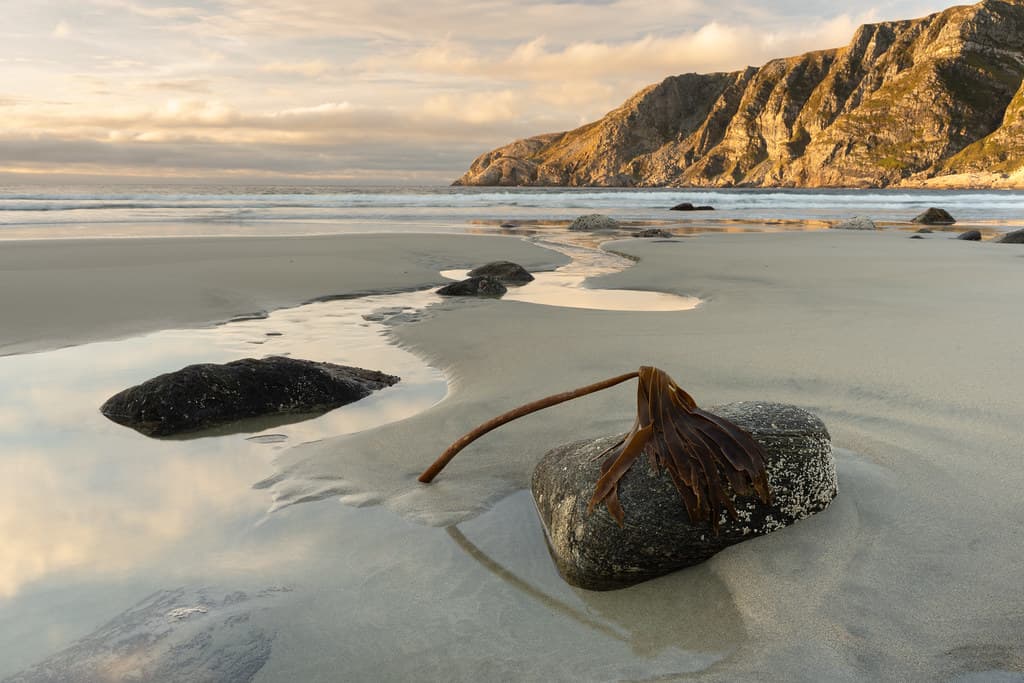
The Zodiac cuts through brash ice in the Antarctic Sound, and you step onto a shore built from the ruins of ancient eruptions. Brown Bluff's cliffs soar above you in layers of oxidized lava and ash, their rust and copper tones vivid against indigo icebergs grounded in the shallows. The beach itself is coarse black and amber stone, warmed imperceptibly by austral summer sun, crunching beneath your expedition boots as you navigate penguin highways worn smooth by thousands of webbed feet. Adélie penguins nest in the scree slopes, their raucous colonies filling the air with braying calls and the sharp ammonia scent of guano. Gentoo penguins patrol the shoreline, porpoising through frigid shallows before belly-sliding onto stone. You watch them shake droplets from their feathers, each bead catching light before freezing mid-flight. The wind here is relentless—katabatic gusts pouring off the Antarctic plateau—whipping your hood and carrying ice crystals that sting exposed skin. Above the high-tide mark, ice formations sculpted by wind resemble abstract installations: turquoise arches, sapphire caverns, frozen waterfalls suspended mid-cascade. You stand where the Weddell Sea meets the peninsula, surrounded by tabular bergs the size of city blocks, knowing that fewer people will touch this volcanic shore in a year than visit most beaches in an hour. The silence between wind gusts is absolute.
Places, rentals, tours and events within walking and driving distance of Brown Bluff Beach.
Photos
Swimming at Brown Bluff Beach is not recommended and extremely dangerous. Water temperatures hover around -2°C to 2°C year-round, causing hypothermia within minutes. Antarctic expedition rules strictly prohibit recreational swimming. Visitors must stay in designated landing areas supervised by expedition guides. Wildlife viewing requires maintaining safe distances from penguins and seals. The volcanic cliffs above can shed rocks unexpectedly. Visitors wear insulated waterproof gear and boots for zodiac landings. Always follow your expedition team's safety protocols and stay within marked boundaries during shore excursions.
The Antarctic travel season runs from November through March, with December to February offering the best conditions for visiting Brown Bluff. During these peak summer months, temperatures range from -2°C to 8°C with up to 20 hours of daylight, ideal for wildlife viewing and photography. December brings courting penguins and seal pups, while January-February offers warmer weather and active penguin chicks. November and March have fewer visitors but colder conditions and less wildlife activity. Sea ice conditions vary annually, sometimes preventing landings altogether, so itineraries remain flexible.
Brown Bluff is accessible only via expedition cruise ships that depart from Ushuaia, Argentina. The journey crosses the Drake Passage (1.5-2 days each way) before reaching the Antarctic Peninsula. Ships anchor offshore, and passengers transfer to zodiac boats for wet landings on the pebble beach. Not all Antarctic itineraries include Brown Bluff, as weather, ice conditions, and permits determine landing feasibility. Typical expeditions last 10-12 days total. No independent travel is possible; all visitors must join organized expeditions with certified polar operators who hold environmental permits.
No facilities, food, or lodging exist at Brown Bluff Beach itself. This is a pristine Antarctic wilderness with no infrastructure. All accommodation, meals, and amenities are provided aboard your expedition cruise ship. Landings typically last 1-3 hours before returning to the vessel. Under the Antarctic Treaty, no permanent structures are permitted in this area. Your ship serves as your floating hotel with heated cabins, dining rooms, and expedition equipment. Some cruises offer camping experiences on Antarctic shores, but this requires special equipment and occurs at designated sites.
Brown Bluff stands out for its dramatic 745-meter volcanic cliff face of rust-colored tuff rock, creating a striking backdrop against ice and snow. The site offers one of Antarctica's most photogenic settings where an ancient stratovolcano meets the sea. Large colonies of Adélie and gentoo penguins nest here, often numbering thousands. The location at the Antarctic Sound entrance provides exceptional ice scenery with tabular icebergs. Geological enthusiasts appreciate the exposed volcanic formations, while the combination of towering cliffs, active wildlife colonies, and accessible mainland landing creates an unforgettable Antarctic experience.