Counting the waves…
Counting the waves…
A refined fusion of water purity, environmental stability, and communal vibrancy for Candlemas Island Beach.
View MethodologyAnalyzed via live sensors and environmental data.
Wave height, wind, and atmospheric stability.
Live footfall and crowd balance metrics.
Community reviews and curated sentiment.
“You'll hear the stones grinding underfoot before you see the steam vents hissing through black sand. Candlemas Island Beach sits on one of Earth's least-visited coastlines, where elephant seals haul out beside fumaroles…”
Limited recent visitor reports — live OBI telemetry is your best guide for current conditions.
The Zodiac hull scrapes against volcanic cobbles worn smooth by the Southern Ocean, and you step onto a beach that fewer people have walked than have summited Everest. Candlemas Island rises as the northern sentinel of the South Sandwich archipelago, a chain of active volcanoes wrapped in ice two thousand kilometers east of the Falklands. The shore is a mosaic of basalt pebbles—rust-red, charcoal, ash-grey—that clatter and shift with each wave surge, while Mount Lucifer steams overhead at 550 meters, its slopes streaked with sulfur deposits that stain the snow yellow.
You'll share the landing with chinstrap and macaroni penguins waddling between the tideline and their rookeries, utterly indifferent to your presence. Elephant seals sprawl across the upper beach, their exhalations clouding the sub-Antarctic air. The wind is relentless, carrying the smell of guano, brine, and volcanic gases—a scent profile unlike any other coastline on the planet. Pack your camera in a waterproof housing; sea spray and horizontal sleet arrive without warning.
 Credit: Unsplash
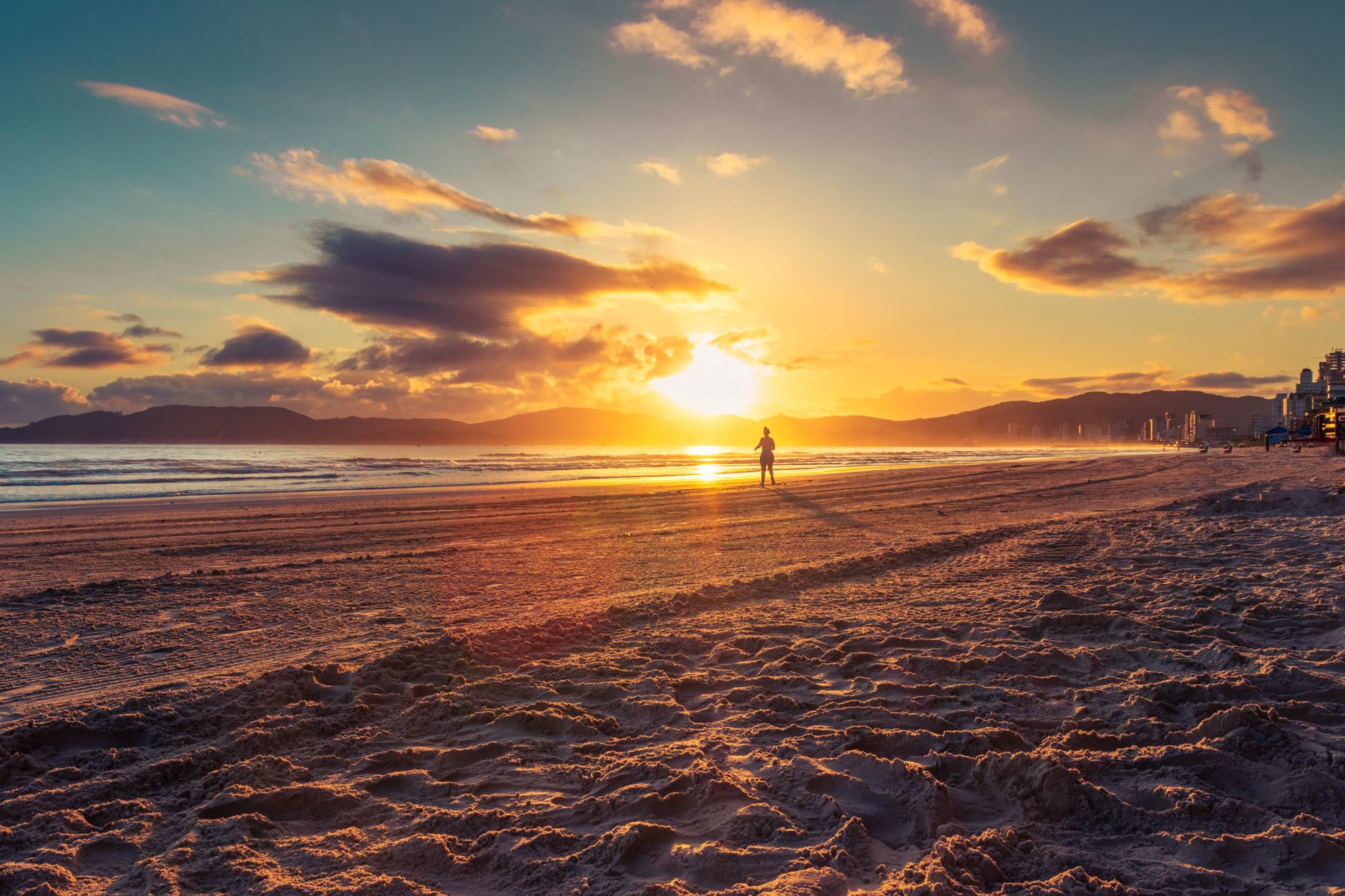
a sandy beach with a body of water in the background
 Credit: Unsplash
sea waves crashing on shore during daytime
Steaming fumaroles meet glacial ice
Chinstrap rookeries above tide line
Bulls rest between pebble ridges
Prime Visitation
Best Weather | Less Crowds
Where it is
Candlemas Island Beach
Candlemas Island, Antártida e Islas del Atlántico Sur, Argentina
-57.080600°, -26.686900°
Weather
Loading…
Swell
—
Temp
Warm · Restorative
UV Index
Moderate
Wind
—
Tidal State
Last known
Max Sunlight
—
Ideal Shade
—
Jan - Dec (Peak)
Mar - Nov (Off-season)
Best Weather | Less Crowds
Select a category to load nearby places.
Unlock restaurants, luxury stays and curated maritime experiences within 2km
Swimming at Candlemas Island Beach is not safe and is not permitted under standard expedition protocols. The sub-Antarctic waters are dangerously cold, capable of causing hypothermia within minutes of immersion. The volcanic pebble beach presents hazards including unstable ground, sharp rocks, and potential geothermal activity in surrounding areas. Wave action can be unpredictable and powerful. With no rescue services or medical facilities within hundreds of miles, any emergency would be critical. Expedition cruise passengers must follow strict safety guidelines and maintain safe distances from the water under guide supervision.
Candlemas Island Beach is best visited during the austral summer months, particularly from December through February, when weather conditions are relatively more stable and daylight hours are extended. The South Sandwich Islands experience severe weather year-round, but summer offers marginally warmer temperatures and reduced sea ice coverage. Wildlife activity peaks during the breeding season in these months. However, weather remains highly unpredictable with frequent storms, high winds, and poor visibility. All landings are weather-dependent, and expedition itineraries must remain flexible with no guarantees of successful beach access.
Access to Candlemas Island Beach is exclusively through specialized expedition cruises designed for extreme sub-Antarctic destinations. These voyages depart from southern South American ports or the Falkland Islands and require ice-strengthened vessels capable of handling challenging open-ocean conditions. The journey involves multiple days at sea crossing the Scotia Sea and navigating the remote South Sandwich Islands. Actual beach landings utilize Zodiac boats and occur only when weather and sea conditions allow. Bookings must be made through experienced Antarctic tour operators months in advance, with strict passenger limits.
Candlemas Island Beach offers no facilities, infrastructure, or services whatsoever. The island is completely uninhabited with no permanent structures, research stations, or human habitation. All visitors arrive and stay aboard expedition cruise ships, which serve as floating hotels providing all meals, accommodation, and amenities. Shore visits are temporary excursions typically lasting a few hours, weather permitting. Travelers cannot access food, water, shelter, or any supplies on the island itself. Complete self-sufficiency via the expedition vessel is essential for visiting this extremely remote volcanic island.
Candlemas Island Beach offers exceptional volcanic scenery within the South Sandwich Islands, featuring dramatic black pebble shores formed by ongoing volcanic activity. The island is part of an active volcanic arc with visible geothermal features and striking geological formations. Its extreme remoteness ensures pristine sub-Antarctic wilderness with minimal human visitation throughout history. The beach provides access to important seabird colonies and marine mammal habitat in undisturbed conditions. As one of the planet's most isolated coastal locations, landing here represents an extraordinary achievement available only to the most adventurous expedition travelers.
Photos