
The grinding of wave-polished pebbles beneath your boots announces your arrival at Cooper Bay Beach, a sliver of shoreline on South Georgia's storm-battered southeastern coast. Your expedition guide motions you forward carefully—a young fur seal pup has claimed the landing zone, and protocol dictates you maintain a five-meter distance while it decides whether to waddle aside or hold its ground. Behind you, the inflatable boat bobs in the kelp line, its driver scanning for rogue swells that could turn a textbook landing into a frigid swim.
“One of the planet's most wildlife-dense shorelines, accessible only by expedition vessel and entirely governed by the animals' tolerance.”
 Credit: Flickr
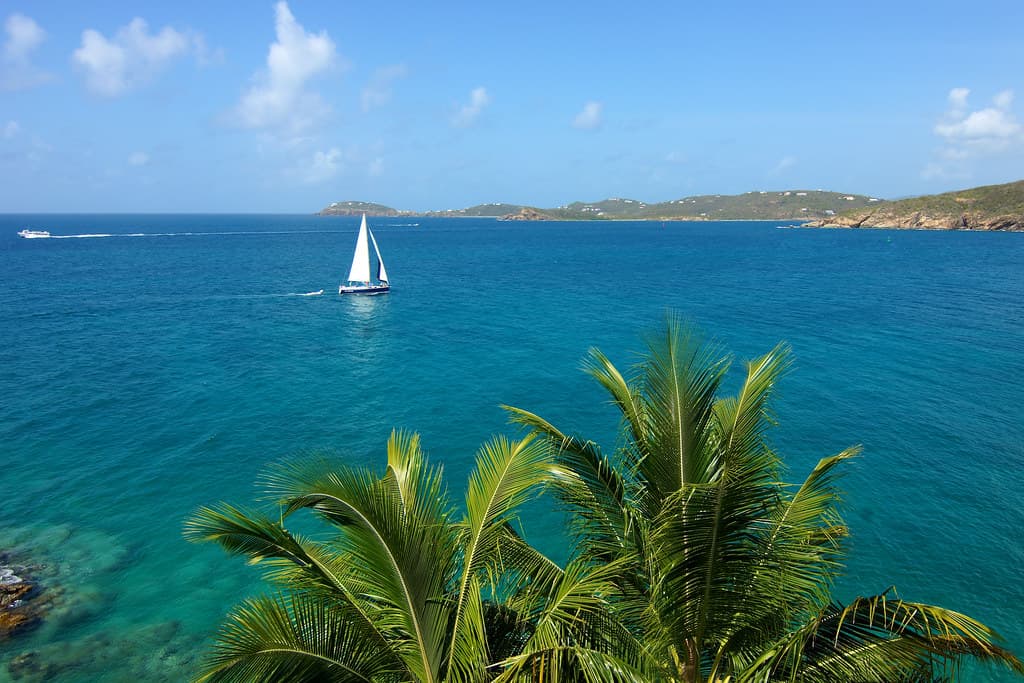
12-03 Virgin Island Sailing Vacation - 1849
The beach curves in a tight arc between headlands cloaked in tussock grass, where macaroni penguins jostle for nesting real estate and giant petrels patrol for unguarded eggs. Glacial melt forms braided channels across the stones, each rivulet numbingly cold against your waterproof gloves. The roar of the surf mingles with the cacophony of ten thousand seals—bulls bellowing territorial challenges, cows calling to pups, juveniles play-fighting in the shallows. The smell is overpowering: guano, rotting kelp, wet fur, and the mineral tang of ice.
You have perhaps ninety minutes ashore before weather or tide forces a retreat to the ship. Every expedition landing here feels provisional, granted by temporary mercy of the Furious Fifties' winds. The pebbles beneath your feet have witnessed centuries of maritime exploration and wildlife drama, indifferent to both, smoothed by the relentless patience of Antarctic waves.


