Counting the waves…
Counting the waves…
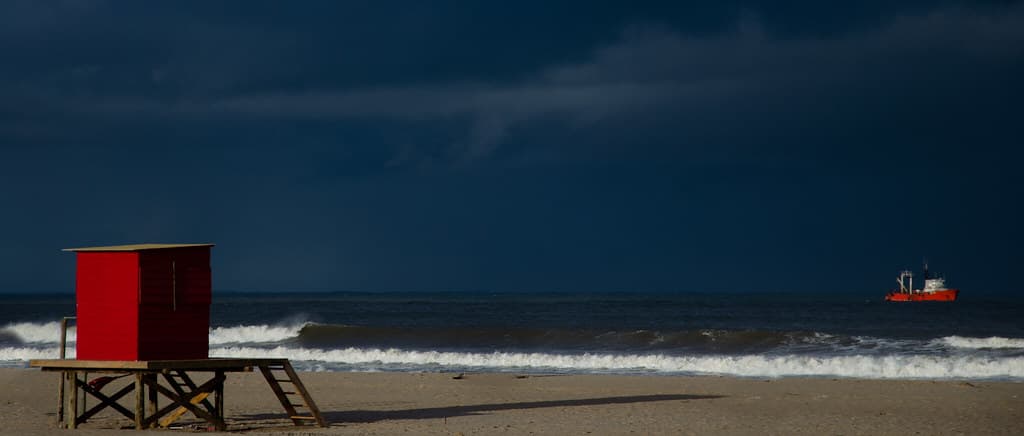
You step onto the rocky apron of Cape Geddes beneath skies that shift from pewter to pale violet in minutes. The beach is less sand than a mosaic of black and rust-colored cobbles, smoothed by millennia of ice and wave action. Kelp the color of burnt caramel tangles along the tideline, and the air tastes of brine and snow. The South Orkney Islands sit 600 kilometers northeast of the Antarctic Peninsula, far enough from tourist routes that your expedition vessel may be the only one for weeks. The wind here arrives uninterrupted across the Scotia Sea, carving the coastline into sharp headlands and sheltered pockets where elephant seals haul out to molt. You navigate between tide pools glazed with thin ice, watching Antarctic terns dive for krill. Behind the beach, lichen-crusted slopes rise toward the island's interior icecap, a reminder that you stand on one of the continent's outer bastions. The Orcadas Base, Argentina's oldest Antarctic station, lies nearby—a cluster of red buildings that has recorded weather data since 1904. You linger as long as the cold permits, perhaps twenty minutes before your fingers numb inside expedition gloves. There is no infrastructure here, no marked trail or boardwalk—only the raw architecture of geology and ice. When you return to the Zodiac, you carry the memory of a shoreline that exists almost entirely outside the catalogue of human leisure, a place where the beach belongs first to the seals and the stone.
Places, rentals, tours and events within walking and driving distance of Cape Geddes Beach.
Photos
Swimming at Cape Geddes Beach is extremely dangerous and absolutely not recommended. Antarctic waters here remain at or below freezing throughout the year, causing life-threatening hypothermia within minutes. The rocky beach type creates additional hazards with sharp surfaces and uneven footing. Strong winds typical of exposed capes generate unpredictable waves and currents. With no medical facilities, rescue services, or shelter on Laurie Island, any emergency would be critical. Visitors should remain properly clothed in cold-weather gear and observe the coastline from a safe distance with experienced guides.
The Antarctic summer period from December through February offers the only viable window for visiting Cape Geddes Beach. January typically provides the most stable weather and optimal wildlife viewing, with extended or continuous daylight. During these months, temperatures are least severe (though still often below freezing), and sea ice is at minimum extent, potentially improving accessibility. However, Cape Geddes' exposed position means high winds and harsh conditions remain common even in summer. All visits depend on expedition cruise schedules and highly variable weather and ice conditions.
Accessing Cape Geddes Beach requires joining an Antarctic expedition cruise with a South Orkney Islands itinerary, typically departing from Ushuaia, Argentina. The voyage crosses challenging southern ocean waters over several days. Laurie Island hosts Argentina's Orcadas Base, one of the oldest Antarctic research stations, but tourist visits to Cape Geddes would likely require Zodiac boat transfers from the expedition ship, depending entirely on weather, ice conditions, and sea state. The rocky, rugged nature of the cape means landings may be difficult or impossible in many conditions.
Cape Geddes Beach has no tourist accommodations or dining facilities. While Laurie Island hosts Argentina's Orcadas Base research station, this facility serves scientific personnel and is not a tourist destination. Expedition visitors must stay aboard their cruise ship, which provides all lodging, meals, and amenities. Ships vary from basic expedition vessels to more comfortable cruisers with better facilities. All food, water, and supplies must be carried from South American ports, as absolutely no commercial services or resupply options exist in the South Orkney Islands.
Cape Geddes Beach's position on a rugged cape of Laurie Island creates a distinctive, exposed Antarctic coastal environment. The rocky beach type differs from pebble or ice beaches found elsewhere, offering unique geological features and potentially different ice formations. Its location contributes to 'long-tail coastline completeness,' meaning it serves explorers interested in comprehensive Antarctic coastal documentation rather than mainstream tourism. The cape's exposure to the Southern Ocean creates dramatic seascapes and weather conditions, while its remoteness ensures pristine wilderness conditions with minimal human presence beyond occasional expedition visits.