Counting the waves…
Counting the waves…

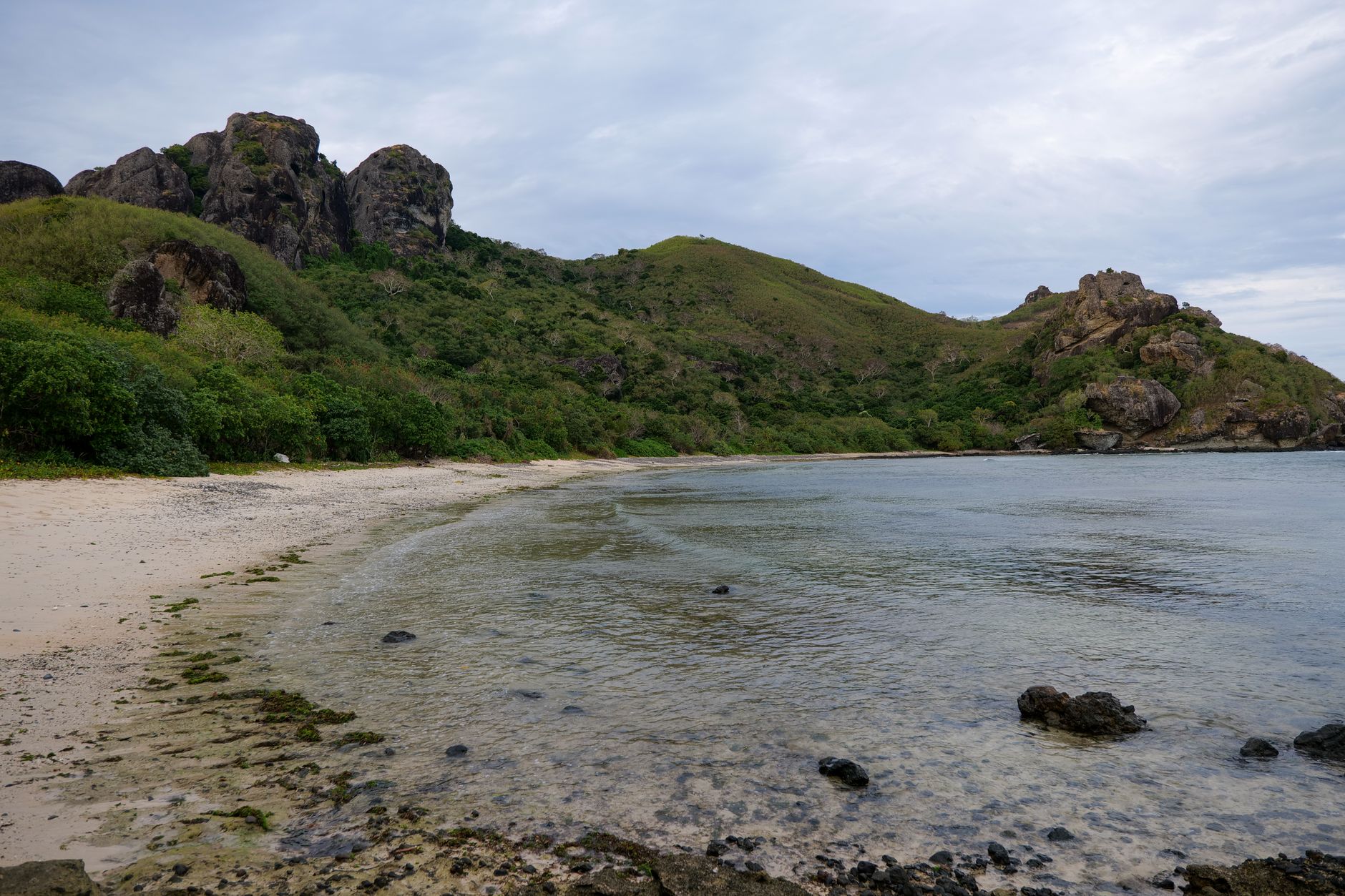
The landing at Renaud Island requires timing the swell between ice floes, your boots hitting a shore of smooth volcanic pebbles polished by centuries of pack ice. Behind you, the black rubber Zodiac bobs in water so cold it steams against the relatively warmer air. Ahead, the beach rises in bands of grey and charcoal stone, backed by slopes where chinstrap penguins waddle between nesting sites, their calls echoing off glacial walls. This is the western edge of the Antarctic Peninsula, where weather systems barrel in from the Bellingshausen Sea without warning. One moment you're photographing a Weddell seal hauled out on the stones; the next, horizontal snow erases everything beyond twenty feet. The island itself—a volcanic remnant barely noticed on nineteenth-century charts—offers no shelter, no infrastructure, no concession to human comfort. You'll spend perhaps an hour here, maybe two if conditions hold. What you gain is a beach untouched by the cruise-ship circuit that crowds the peninsula's eastern shores. The pebbles shift beneath your weight with a sound like breaking glass. Glacial meltwater trickles between the stones, carrying mineral sediment that stains everything rust-orange. When you kneel to examine the rocks, you'll find fossils embedded in volcanic matrix, remnants of forests that thrived here fifty million years before ice claimed the continent.
Places, rentals, tours and events within walking and driving distance of Renaud Island Beach.
Photos
Swimming at Renaud Island Beach is extremely dangerous and not advisable under any circumstances. Water temperatures remain near or below freezing year-round, typically between -2°C and 1°C, causing immediate cold shock upon immersion. Hypothermia can occur within minutes, leading to loss of consciousness and drowning. The remote location means rescue facilities are minimal to nonexistent. Antarctic Treaty guidelines and expedition operators prohibit swimming in these waters. Visitors should maintain safe distances from the water's edge, as pebble beaches can shift unexpectedly and ice conditions change rapidly.
The optimal visiting window for Renaud Island Beach is during the Antarctic summer from December through February. During these months, temperatures are relatively mild (averaging -5°C to 2°C), daylight is nearly continuous, and sea ice extent is at its annual minimum, facilitating boat access. Wildlife activity peaks during this period, with breeding penguins and seals commonly observed. Weather conditions remain unpredictable and can change rapidly. Visits outside this narrow window are virtually impossible due to ice coverage, extreme cold, and 24-hour darkness during winter months.
Access to Renaud Island Beach is exclusively through specialized Antarctic expedition cruises that include west-coast Peninsula destinations. Voyages typically begin in Ushuaia, Argentina, requiring approximately 2-3 days crossing the Drake Passage. From the cruise ship, visitors reach the beach via zodiac inflatable boats. Due to its remote western location, Renaud Island is visited less frequently than more accessible Peninsula sites. All landings require permits under the Antarctic Treaty System, and visits depend entirely on weather, sea ice conditions, and the specific itinerary of your expedition operator.
Renaud Island has no facilities whatsoever; it is an uninhabited, remote Antarctic island. All food and accommodation are provided aboard the expedition cruise ship from which you visit. There are no research stations, shelters, or infrastructure of any kind on the island. Shore visits are typically brief landings lasting 1-2 hours, with visitors returning to the ship for all meals, sleeping quarters, and amenities. Expedition leaders may organize picnic-style shore meals in good weather, but these are ship-provisioned and weather-dependent. Plan for complete self-sufficiency during landings.
Renaud Island Beach offers exceptional remoteness even by Antarctic standards, being located along the western coastline of the Antarctic Peninsula where fewer expedition vessels venture. This isolation typically means more pristine conditions and undisturbed wildlife viewing opportunities. The pebble beach provides access to dramatic glacial landscapes and towering ice formations characteristic of the west coast. The island's relative obscurity in tourism means visitors often experience a greater sense of untouched wilderness. Weather conditions along the west coast can be more challenging, making successful landings feel particularly rewarding for intrepid travelers.