
Counting the waves…
Counting the waves…

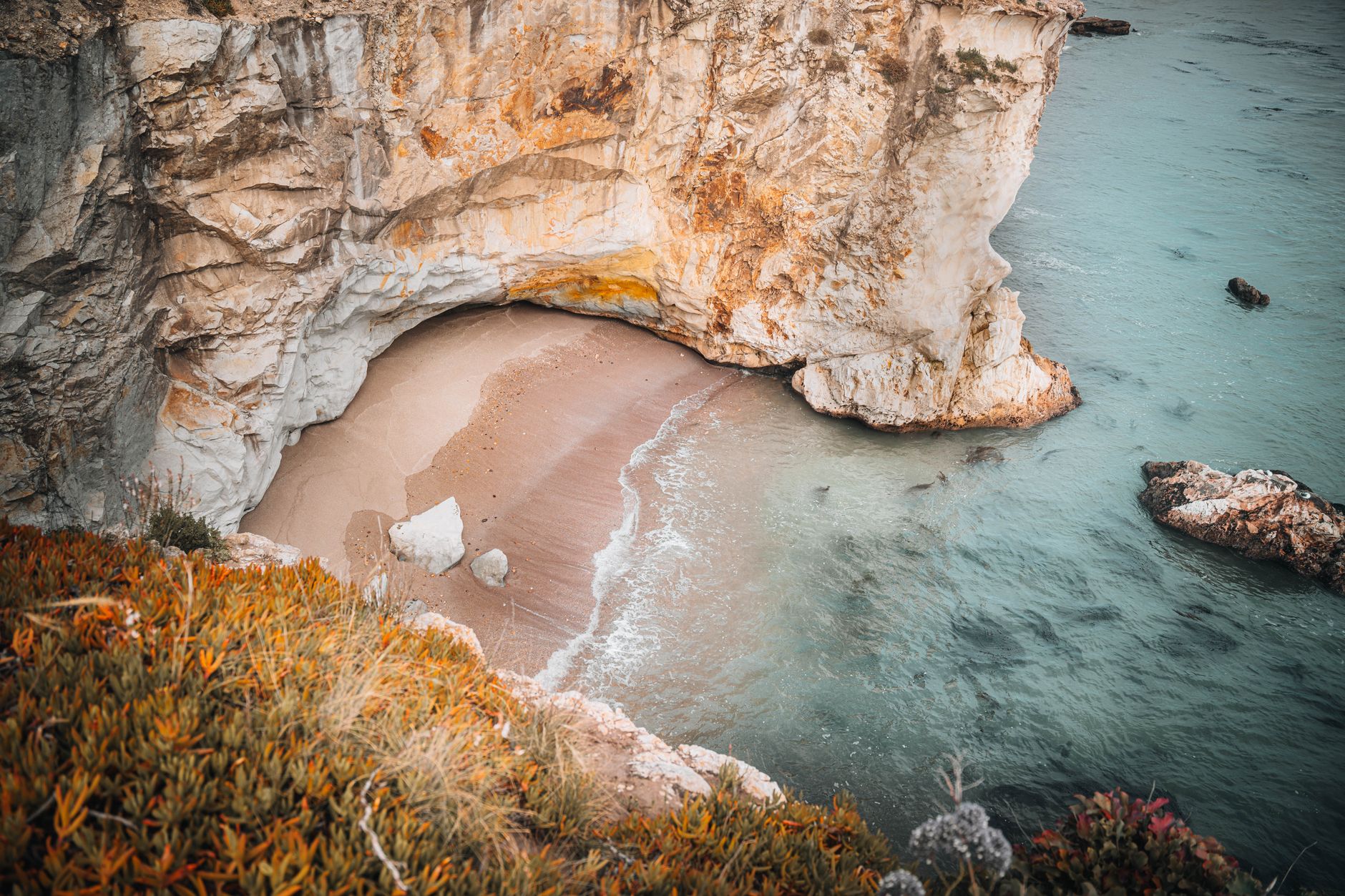
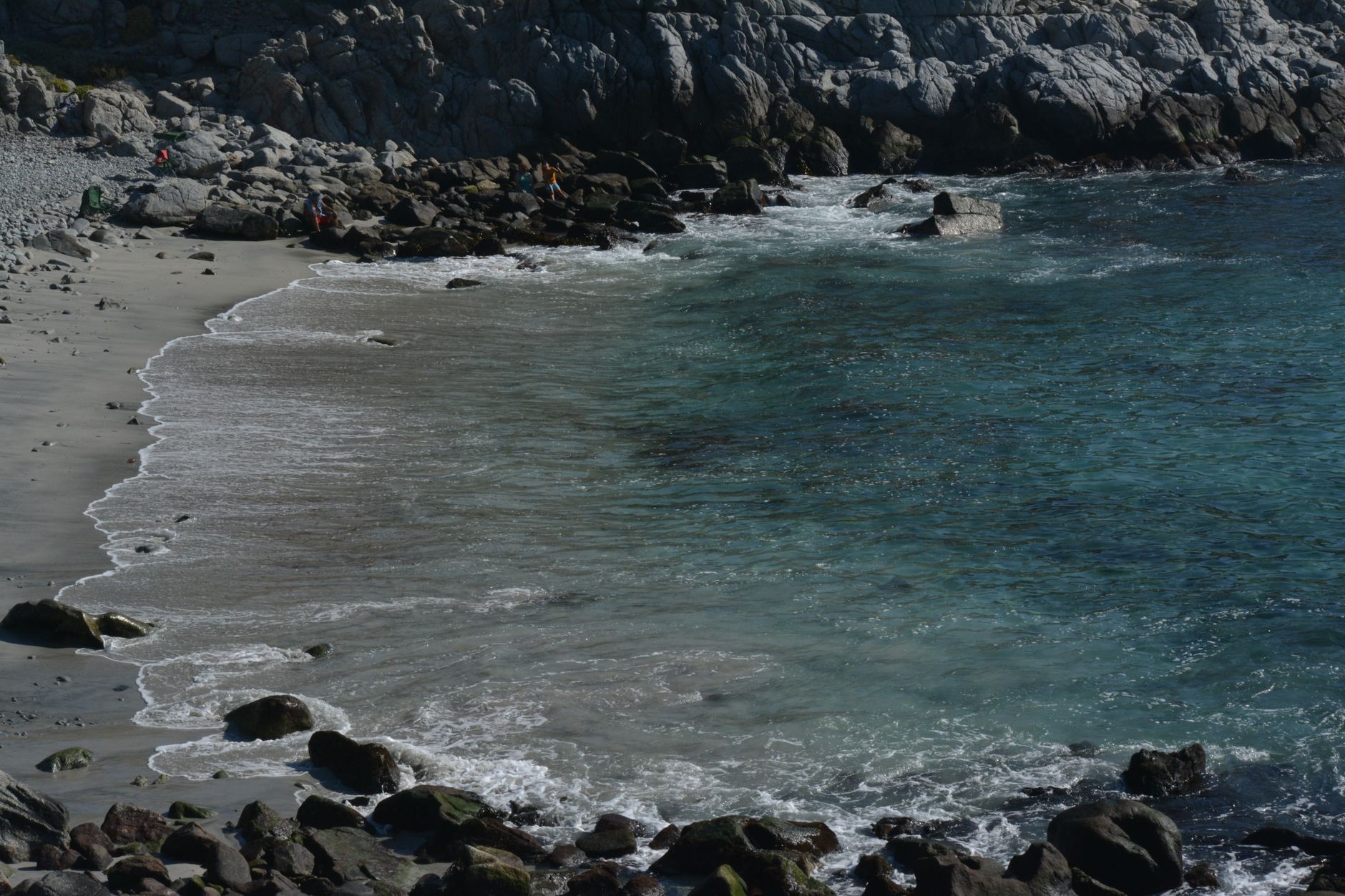
The beach curves in a tight crescent along Signy Island's eastern flank, hemmed by basalt cliffs streaked with lichen the color of rust and moss. Underfoot, the stones range from coal-dark to slate-gray, rounded by waves that carry fragments of icebergs calved hundreds of miles south. You'll share the shoreline with fur seals hauled out in torpid heaps, their breath visible in the subzero air, and skuas circling overhead with prehistoric patience. Access depends entirely on the research vessel or expedition ship that brought you here—no piers, no moorings, just inflatable boats and a practiced crew reading the swell. The water temperature hovers near freezing year-round, its surface marbled with krill and planktonic blooms that feed the Adélie penguins nesting in the scree above. On rare clear days, the Transantarctic Mountains etch a saw-toothed horizon to the south. You won't linger long. Antarctic regulations and weather windows dictate tight itineraries, and the cold penetrates even expedition-grade parkas within minutes. But the cove's stillness—broken only by the knock of stones in the surf and the wheeze of seals—leaves an imprint no warmer latitude can match. This is coastline at the edge of the navigable world, where the beach exists not for leisure but as a threshold between human ambition and the continent's indifference.
Places, rentals, tours and events within walking and driving distance of Foca Cove Beach.
Photos
Swimming at Foca Cove Beach is extremely hazardous and strongly discouraged. Antarctic waters remain near or below freezing throughout the year, causing hypothermia in minutes of exposure. Despite the sheltered cove location, water temperatures offer no safety margin for swimming. The name 'Foca' (Spanish for seal) suggests seal presence, and Antarctic seals, particularly leopard seals, can be dangerous. With no emergency services or medical facilities available, any water-related incident would be life-threatening. Visitors should observe the beach from land only.
The optimal visiting period for Foca Cove Beach is during the Antarctic summer, particularly December through February, when weather is least severe and daylight extends for most or all of the day. January often provides the most stable conditions and active wildlife viewing opportunities. The cove may be more accessible during these months when sea ice is at minimum extent. However, Antarctic weather remains unpredictable year-round, with storms and freezing conditions possible even in summer. All visits depend entirely on expedition schedules.
Accessing Foca Cove Beach requires participation in an Antarctic expedition cruise that includes Signy Island in its South Orkney Islands itinerary. These voyages typically depart from Ushuaia, Argentina, requiring several days of ocean crossing. Once the ship reaches Signy Island, passengers transfer to Zodiac inflatable boats for the short journey to the cove—weather, ice, and sea conditions permitting. The boat-access designation means landings are more challenging than at open beaches and depend heavily on favorable conditions and expedition leader decisions.
Foca Cove Beach has absolutely no commercial facilities, accommodations, or dining options. Signy Island hosts only a seasonal British Antarctic Survey research station, which serves scientific personnel and is not open to tourists. All expedition visitors must lodge aboard their cruise ship, which provides all meals, sleeping quarters, and basic amenities. Ships vary from utilitarian research vessels to well-appointed expedition cruisers. Everything needed for the journey must be brought from mainland departure points, as no local resources or services exist.
Foca Cove Beach distinguishes itself through its sheltered cove configuration along Signy Island's detailed coastline, potentially offering calmer conditions and unique wildlife observation opportunities. The name suggests historical or current seal populations, making it valuable for naturalists. As a location noted for 'detailed coastal coverage,' it represents the less-visited areas of an already remote island, providing exceptional wilderness solitude. The cove's protected nature may harbor distinct ice formations, geology, and microhabitats compared to Signy's more exposed beaches like North Point Beach.