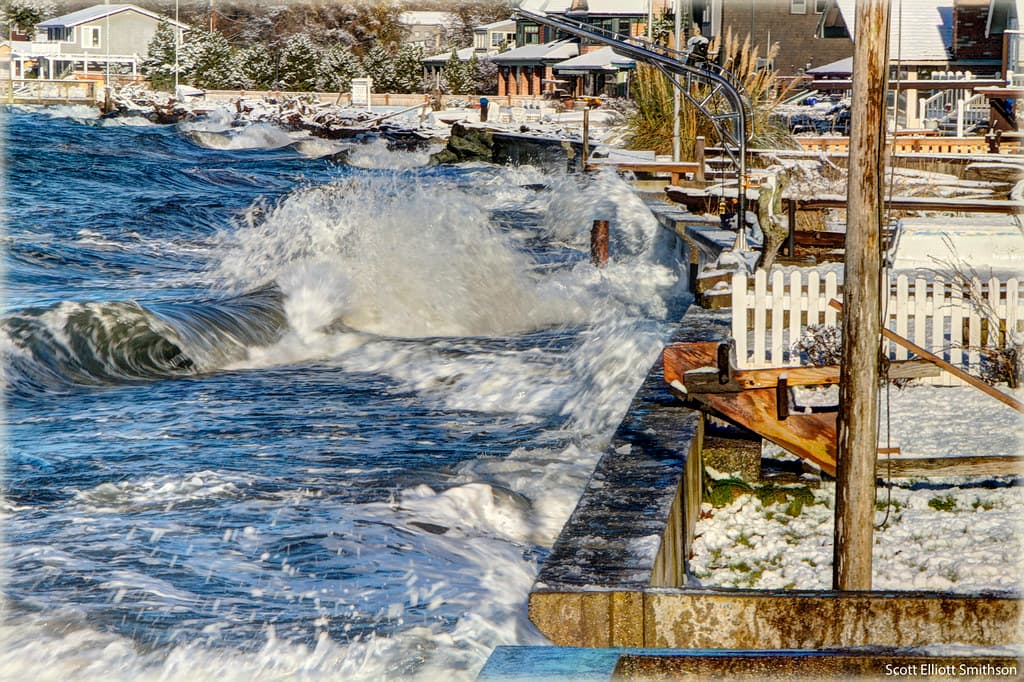
Counting the waves…
Counting the waves…

Admiralty Sound Beach exists in a realm where the ordinary rules of coastal travel dissolve. You arrive by Zodiac, the inflatable hull crunching against a shore of rounded stones darkened by millennia of Antarctic weather. The beach itself is more gravel apron than sandy strand, a narrow ribbon wedged between the peninsula's ice-clad slopes and the Weddell Sea's comparatively placid waters. Sheltered from the Southern Ocean's notorious swells, this zone offers something rare in Antarctica: calm. The surrounding soundscape is what you remember most. Adelie penguins bark from nearby rookeries, their calls ricocheting off ice cliffs that rise in corrugated blue-white walls. Leopard seals cruise offshore, their sinuous forms visible in water so clear you can count the stones ten feet down. Weddell seals haul out on ice floes, exhaling mist into air that hovers just above freezing even in the height of the austral summer. You won't find solitude here in the human sense—expedition ships coordinate landings carefully—but you will find isolation from the rest of the inhabited world. The Weddell side of the peninsula receives fewer visitors than the western Drake Passage coast, and Admiralty Sound's protected position between island and mainland systems creates microclimates where weather can shift from bluebird clarity to whiteout in twenty minutes. You dress in layers, keep your camera batteries warm against your body, and accept that this beach operates on its own uncompromising terms.
Places, rentals, tours and events within walking and driving distance of Admiralty Sound Beach.
Photos
Swimming at Admiralty Sound Beach is extremely dangerous and not recommended. Water temperatures remain near freezing year-round, causing hypothermia within minutes of immersion. The location is remote Antarctic territory with no lifeguards, medical facilities, or emergency services available. Marine wildlife including leopard seals can be unpredictable and potentially aggressive. Even though the sound offers some shelter from open ocean, currents and ice movements remain hazardous. Visitors on expedition cruises wear insulated gear and participate only in supervised shore activities. Any water contact should be accidental only and treated as an emergency requiring immediate warming.
The optimal visiting period is December through February during the Antarctic summer, when temperatures range from -2°C to 4°C and daylight extends 20-24 hours. January typically offers the most stable weather and reduced ice coverage, improving access to the sound. The sheltered nature of Admiralty Sound sometimes provides calmer conditions than exposed Weddell Sea locations, slightly extending the accessible season. November can offer earlier-season wildlife viewing, while February provides opportunities for whale sightings. The area is completely inaccessible from March through October due to extreme winter conditions, darkness, and impenetrable sea ice.
Access to Admiralty Sound Beach requires joining an Antarctic expedition cruise departing from Ushuaia, Argentina, specifically targeting the eastern Antarctic Peninsula and Weddell Sea region. The journey typically takes 10-14 days total, crossing the Drake Passage and navigating through ice-filled waters. Zodiacs transfer passengers from expedition ship to shore when weather and ice conditions permit. Only vessels with ice-strengthened hulls attempt this route, and landings are never guaranteed due to unpredictable conditions. Costs range from $11,000-$24,000 per person. Book well in advance as limited operators visit this area annually.
No restaurants, hotels, or any commercial infrastructure exist at Admiralty Sound Beach or in the surrounding wilderness. This is uninhabited Antarctic territory protected under international environmental protocols. All visitors stay aboard their expedition cruise ship, which serves as a floating hotel providing all accommodations, meals, and facilities. Ships offer various cabin categories and dining rooms with buffet or plated meals included in the expedition cost. The nearest research stations are located elsewhere on the Antarctic Peninsula and rarely accessible to tourists. Your expedition vessel provides your only shelter, food, and safety infrastructure in this remote region.
Admiralty Sound Beach occupies a sheltered position between the Antarctic Peninsula and offshore islands, creating a relatively protected microenvironment compared to fully exposed Weddell Sea coastlines. This sheltered location sometimes allows access when open-sea conditions prevent landings elsewhere. The sound serves as a transition zone between peninsula and Weddell ecosystems, potentially offering diverse wildlife viewing including seals, seabirds, and occasionally whales. The calm waters create distinctive ice formations and mirror-like reflections popular with photographers. Its position makes it a strategic alternative landing site for expeditions when other locations become inaccessible due to pack ice.