
Counting the waves…
Counting the waves…

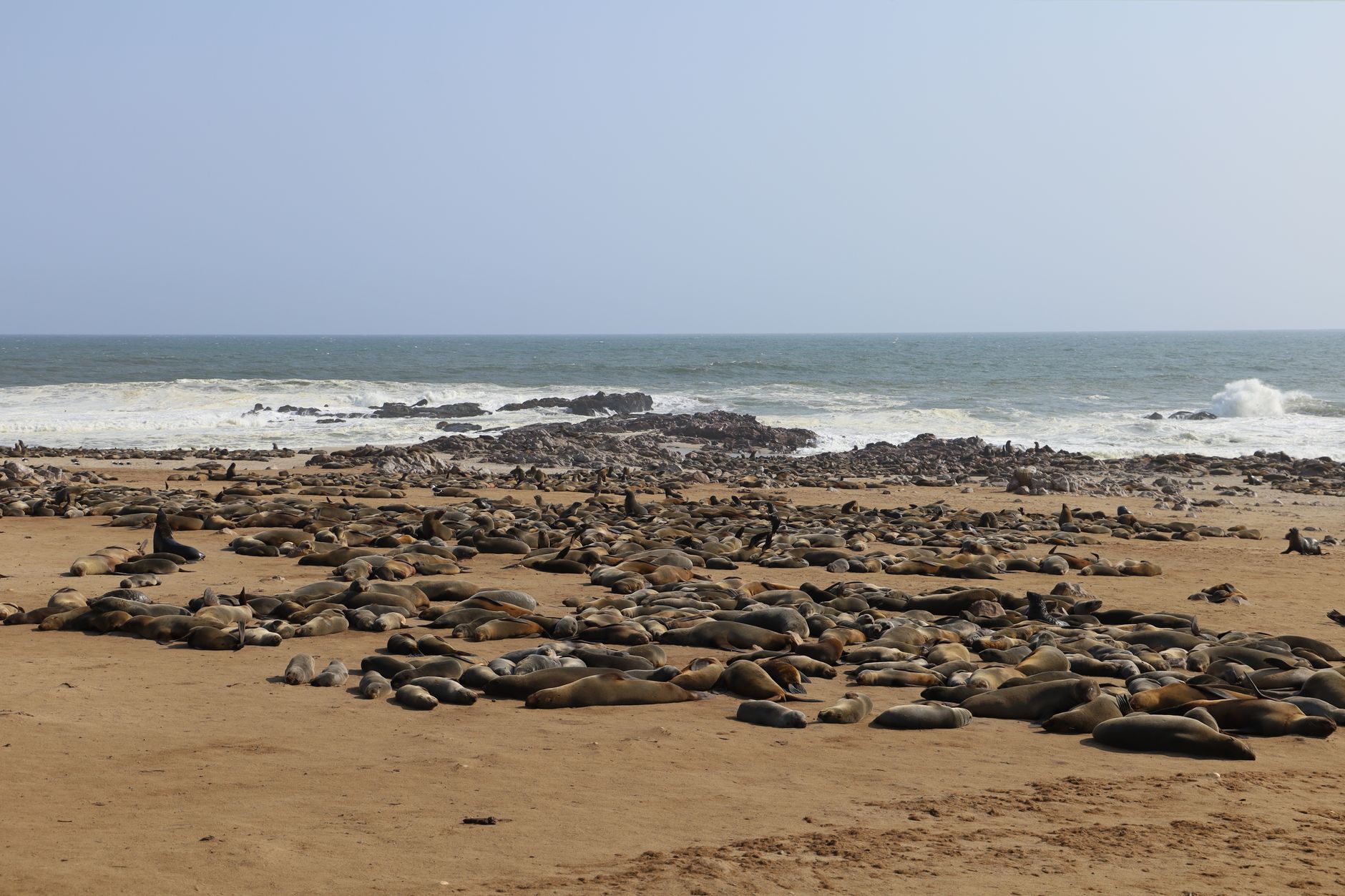
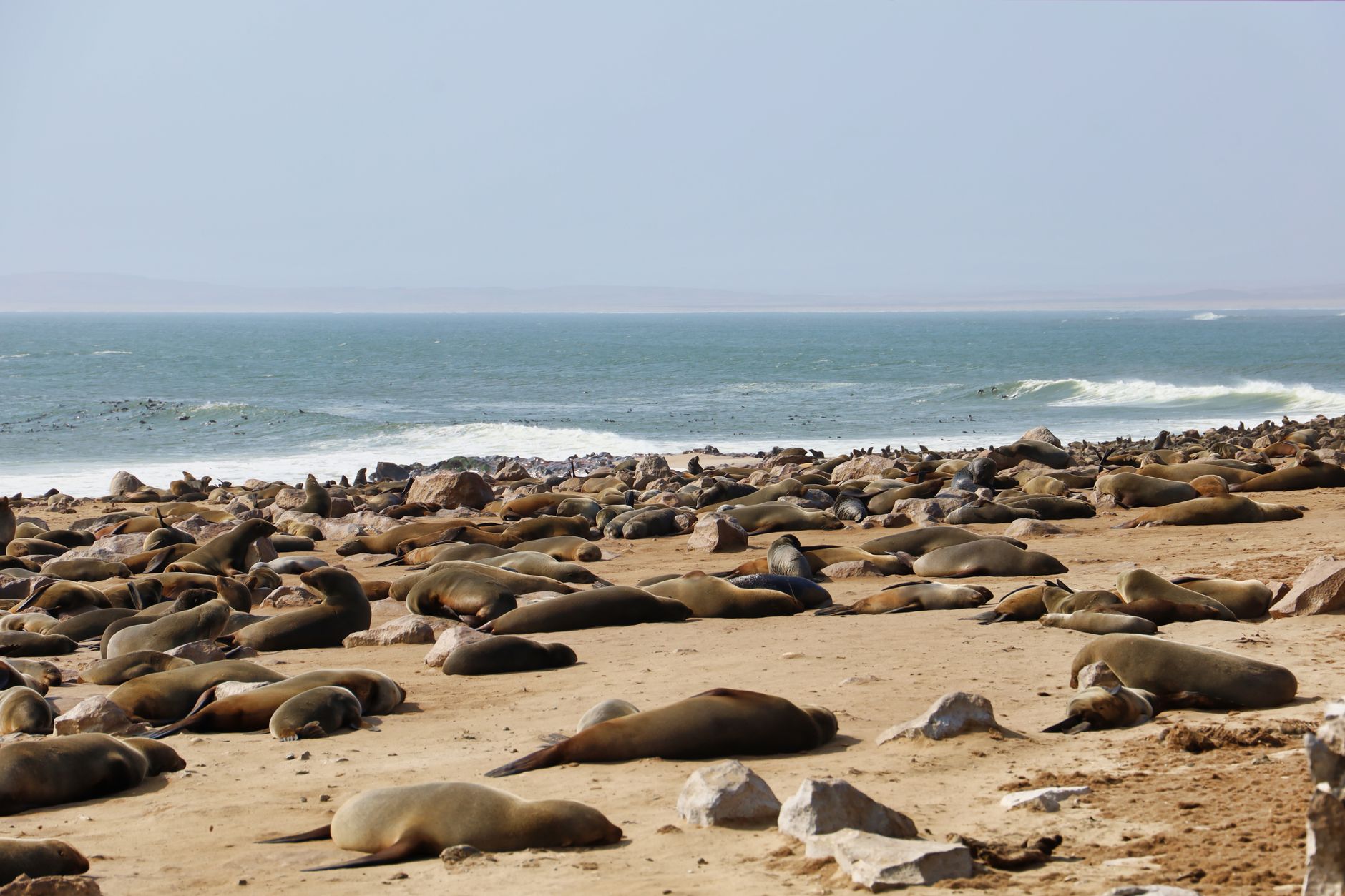
You arrive at Cape Framnes after days aboard an expedition vessel threading through pack ice—a slow, deliberate approach that heightens the remoteness. The beach itself stretches in a gentle arc of grey and rust-colored pebbles, each stone a testament to the relentless grind of glaciers calving from the continent's interior. Elephant seals occasionally haul out on these stones, their bulk displacing the smaller rocks with wet, grinding sounds. The Weddell Sea beyond shifts between states: sometimes locked in fast ice that extends to the horizon, sometimes fractured into a mosaic of floes that tilt and collide with the swell. The light here behaves differently than anywhere else—low-angle sun creates shadows that stretch for hundreds of meters, and the clarity of the atmosphere renders distant peaks with uncanny sharpness. You'll find yourself recalibrating your sense of scale; what appears close might be an hour's zodiac ride away. Few vessels make it to this eastern sector of the peninsula. The Weddell's notorious ice conditions and unpredictable weather create a natural filter, ensuring that those who land here have earned the privilege through patience and flexible itineraries. You'll share the shore with Adélie penguins and the occasional leopard seal, all indifferent to your presence, absorbed in the essential business of survival at the bottom of the world.
Places, rentals, tours and events within walking and driving distance of Cape Framnes Beach.
Photos
Swimming at Cape Framnes Beach is extremely dangerous and not recommended. Water temperatures in the Weddell Sea hover near freezing year-round, causing hypothermia within minutes. The beach is composed of pebbles and may have sharp ice fragments. Unpredictable weather, katabatic winds, and the presence of leopard seals create additional hazards. Antarctic expedition protocols strictly prohibit recreational swimming. If you must enter the water for scientific purposes, specialized cold-water survival gear and safety teams are mandatory.
The Antarctic summer season from November to March offers the only viable visiting window for Cape Framnes Beach. December and January provide the warmest temperatures (still well below freezing), longest daylight hours, and relatively calmer sea ice conditions in the Weddell Sea. However, this eastern peninsula location experiences more challenging ice conditions than the western side. Weather remains unpredictable year-round, and access depends entirely on ice conditions, which vary significantly each season despite 'best weather' designations.
Reaching Cape Framnes Beach requires joining a specialized Antarctic expedition cruise that ventures into the Weddell Sea, one of Antarctica's most challenging regions. Most expeditions depart from Ushuaia, Argentina, taking 10-14 days round-trip. Only a handful of expedition operators attempt eastern peninsula landings due to heavy sea ice. Access requires ice-strengthened or icebreaker vessels, and landings depend on favorable ice and weather conditions. Zodiac boats transfer passengers from ship to shore. Independent travel is impossible without extensive logistical support.
There are no food, lodging, or facilities of any kind at or near Cape Framnes Beach. This is uninhabited Antarctic wilderness with no permanent infrastructure. All visitors stay aboard their expedition cruise ship, which provides accommodations, meals, and all necessary amenities. The nearest research stations are hours or days away by boat. Visitors must be completely self-sufficient, and all supplies, including emergency provisions, must be brought aboard the expedition vessel. Day excursions to shore return to the ship for all services.
Cape Framnes Beach represents one of the least-visited sectors of Antarctica due to its eastern peninsula location along the ice-choked Weddell Sea. While western Antarctic Peninsula beaches see relatively more tourism, this remote area offers exceptional wilderness solitude and pristine conditions. The Weddell Sea's notorious ice conditions and dramatic tabular icebergs create extraordinary photographic opportunities. The eastern exposure provides different geological features, wildlife patterns, and ice formations compared to the more commonly visited western peninsula beaches, offering true Antarctic exploration experiences.