
Counting the waves…
Counting the waves…

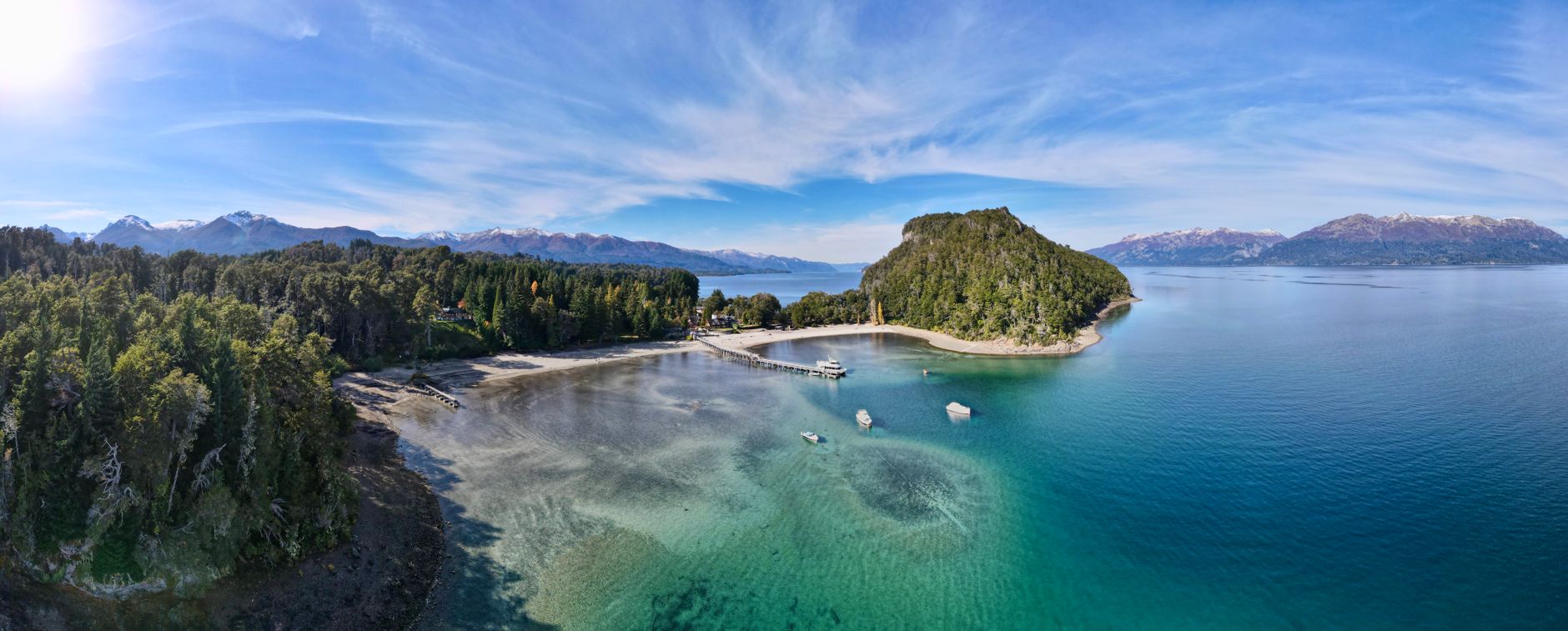
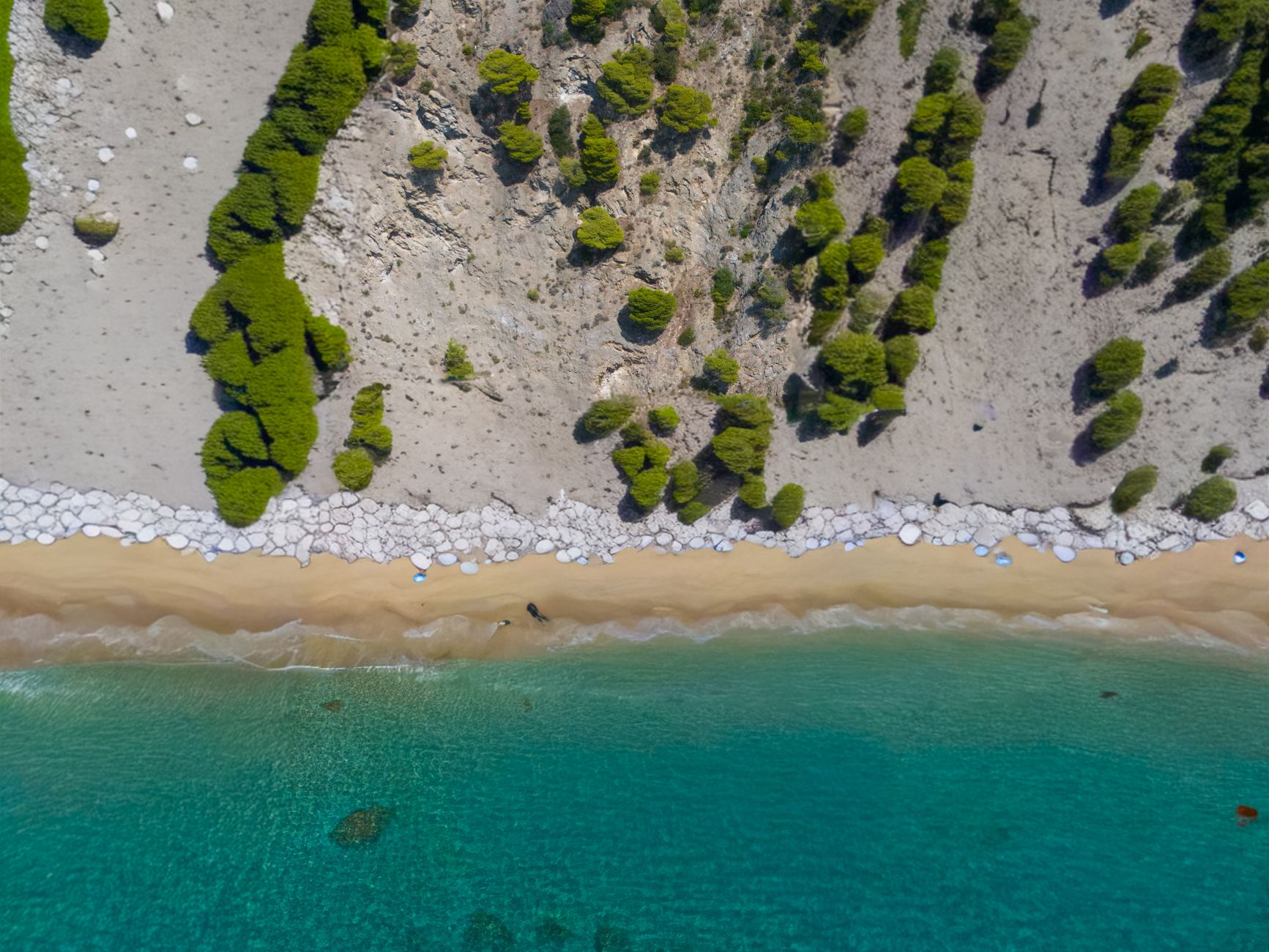
The Weddell Sea doesn't do sandy beaches. Eagle Island delivers a shoreline of polished basalt and granite pebbles, each stone rounded by waves that have traveled uninterrupted from the Southern Ocean. You'll land here only if your expedition captain judges the swell forgiving—the beach sits exposed on the Antarctic Peninsula's eastern flank, where pack ice dictates the calendar and weather windows measured in hours, not days. The pebbles shift and chatter beneath your boots as you climb above the tide line, past tussocks of Antarctic hair grass clinging to sheltered pockets. Weddell seals haul out on nearby ice pans, their guttural trills echoing across water so laden with glacial flour it glows milky turquoise. The air smells of guano and brine, sharpened by the metallic tang of katabatic winds sliding off the interior ice sheet. This is a beach for standing still. No facilities, no trails, no cellphone signal—just the crackle of distant calving ice and the weight of being among the few humans to set foot here this decade. You'll have perhaps ninety minutes ashore before the Zodiac horn calls you back, enough time to understand why early explorers described Antarctica not as a continent but as a geological rebuke.
Places, rentals, tours and events within walking and driving distance of Eagle Island Beach.
Photos
Swimming at Eagle Island Beach is unsafe and strictly prohibited under Antarctic expedition guidelines. The Weddell Sea maintains freezing temperatures year-round, causing hypothermia within minutes of immersion. The island's small size and Weddell Sea exposure create unpredictable currents and ice movements. Leopard seals and other marine predators present serious dangers to humans in the water. The pebble beach may contain ice debris and unstable footing. No emergency medical facilities exist within hundreds of kilometers. Responsible expedition operators enforce no-swimming policies in compliance with Antarctic Treaty protocols and basic safety principles.
Plan visits to Eagle Island Beach during Antarctica's summer months, ideally December through February, when conditions are least severe. This period offers extended daylight hours, relatively milder weather (though still freezing), and the best chance for reduced sea ice, though the Weddell Sea remains heavily ice-choked even in summer. Access to this small island depends entirely on annual ice conditions, which vary unpredictably. November and March shoulder seasons present harsher conditions and lower access probability. Even during optimal months, weather and ice may prevent landings, requiring flexible expedition schedules.
Reaching Eagle Island Beach requires booking a specialized Weddell Sea expedition that specifically targets this remote area. Departing from Ushuaia, Argentina, these voyages need ice-strengthened vessels with expert ice navigation capabilities. The journey takes multiple days each direction, and only a handful of expedition operators venture into this challenging sector of Antarctica. Actual landings depend on ice and weather conditions encountered during your voyage. Zodiac boats transfer passengers from ship to shore when possible. This island sees very few visitors annually, making it one of Antarctica's most exclusive beach destinations.
Eagle Island Beach has absolutely no facilities, infrastructure, or services. This small, uninhabited island in the Weddell Sea offers only raw wilderness. Your expedition cruise ship serves as the exclusive source of accommodation, food, warmth, medical support, and all other necessities. No research stations, emergency shelters, or human facilities exist on or near the island. Visitors conduct brief shore excursions only, typically lasting a few hours maximum, before returning to the vessel. All supplies, safety equipment, and comfort provisions must be ship-based, making vessel selection important for your overall experience.
Eagle Island Beach represents one of Antarctica's most remote and least-visited coastal locations. The island's small size and Weddell Sea position mean it's missed by standard Antarctic itineraries and even many adventurous expeditions. This extreme remoteness provides unparalleled wilderness solitude and pristine conditions. The island's location offers unique perspectives on Weddell Sea ice dynamics, including massive tabular icebergs. Wildlife adapted to this harsh environment includes species rarely seen elsewhere. For travelers seeking to experience Antarctica beyond typical tourist routes, Eagle Island Beach offers genuine polar exploration and exceptional photographic opportunities in untouched wilderness.