
Playa Maldonado unfolds along the northern edge of Bahía Blanca, where the city's industrial port gives way to a ribbon of sand facing the estuary rather than the open sea. The water here moves differently—no rolling breakers, just the soft rhythm of tidal flats and the occasional wake from a distant cargo ship. Families spread blankets on sand the color of wet khaki, and children chase the retreating waterline across mudflats that stretch fifty meters at low tide. The backdrop is unmistakably urban: you can see cranes from the naval base, hear traffic from Avenida Colón, smell asado smoke mingling with salt air.
“The only estuary beach within Bahía Blanca's city limits, offering sheltered water without the two-hour drive to Atlantic surf.”
 Credit: Flickr
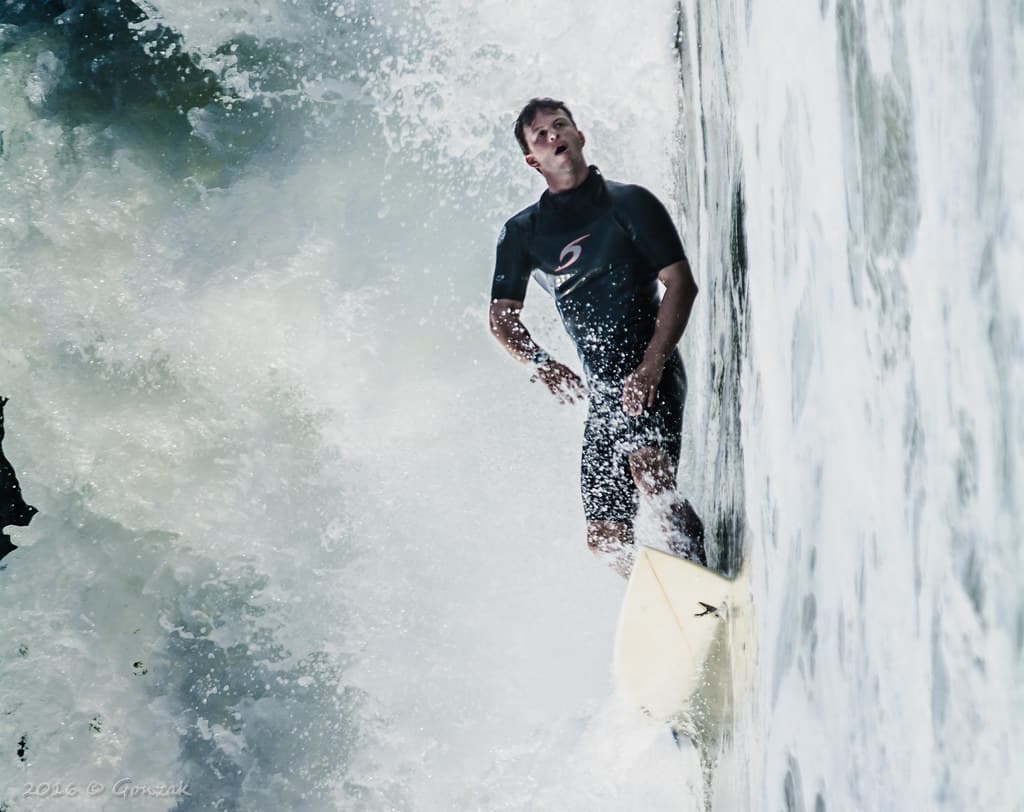
Impossible Surf
The shallows warm quickly under the Pampas sun, making even shoulder-season swims tolerable when Atlantic beaches farther south remain frigid. You wade out thirty paces and the water barely reaches your waist. Local vendors work the sand selling facturas and mate, while retirees set up folding chairs at the tideline for hours-long conversations. Gulls and terns work the mudflats at ebb tide, probing for crustaceans.
This is where Bahía Blanca comes to cool off without the weekend pilgrimage to Monte Hermoso. The amenities are functional—a few parrilla stands, basic restrooms, unmetered street parking—but that's the appeal. You're not here for postcard scenery. You're here because it's Tuesday afternoon, thirty-two degrees, and the estuary is three kilometers from your apartment.


