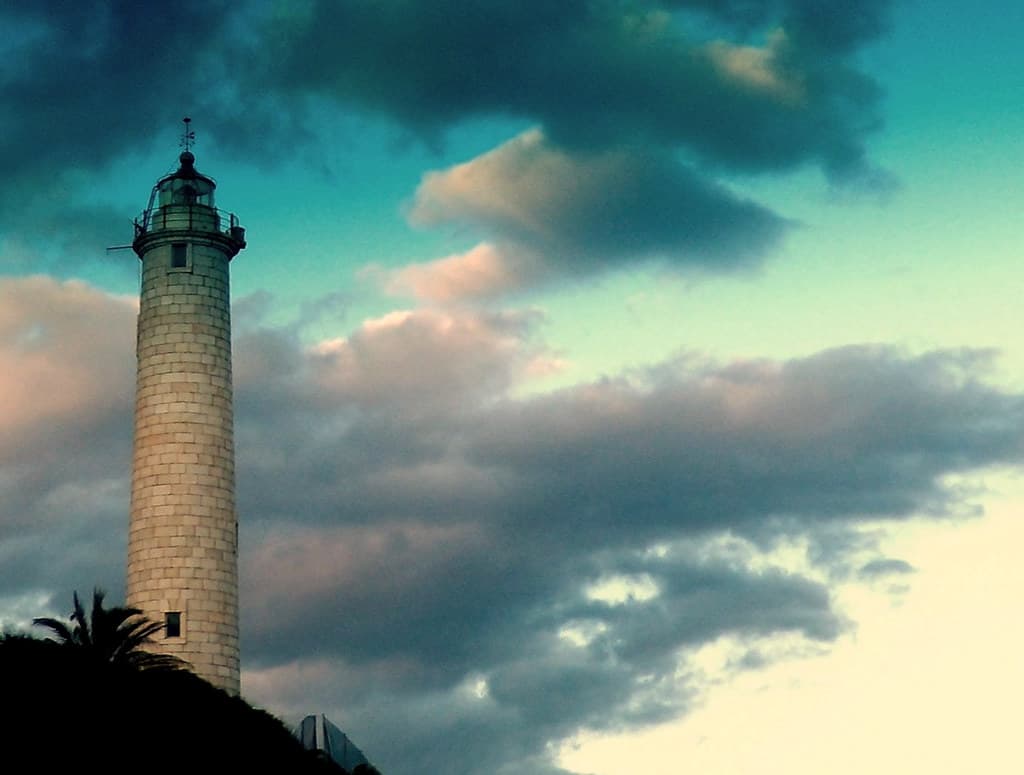
Counting the waves…
Counting the waves…

The drive to Playa Banco Nordeste teaches patience. After leaving Patagones, asphalt gives way to ripio—gravel roads that rattle your rental and force you to slow down, to notice the way the grasslands flatten into horizons so wide they curve. When you finally reach the coast, the beach materializes not as a postcard cliché but as something wilder: a tawny ribbon of sand hemmed by dunes and tidal marshes, the water gray-green and restless under Patagonian skies. This is a place shaped by tides and wind. At low water, the beach doubles in width, revealing ribbed sand banks and shallow pools where crabs skitter sideways. You spread your towel in a natural windbreak formed by dune grass, the only other souls a pair of fishermen casting lines into the surf. The sun here feels different—unfiltered, almost austere, warming your skin without the tropical weight you'd find farther north. Come during the shoulder months when Argentine families have returned to the cities. The restaurants in San Blas village serve grilled corvina and cold Quilmes, and your guesthouse host will draw you a map to the best tidal pools on a paper napkin. At dusk, the wind drops just enough to hear the ocean properly: not roaring, but breathing.
Places, rentals, tours and events within walking and driving distance of Playa Banco Nordeste.
Photos
Swimming at Playa Banco Nordeste should be approached with caution due to its remote location and the tidal landscape mentioned in its description. The beach's position near coastal banks and tidal areas means water levels and currents can change significantly. There are no lifeguards or rescue services available. The sandy beach may have gentle entry points, but tidal flows can create unpredictable conditions. Only confident swimmers with ocean experience should consider swimming, and never alone. Always observe water conditions carefully, check tide times, and err on the side of caution.
Visit Playa Banco Nordeste during the Argentine summer months from December to March for the warmest weather and most comfortable beach conditions. This period offers the best opportunity for sunbathing and exploring the tidal landscape when water temperatures are most tolerable. Since the beach sees very few crowds year-round, any time within this season works well. Consider timing your visit with tidal patterns if you want to explore the coastal banks and tidal features. Wind is common along this coast, so early mornings often provide the calmest conditions.
Reaching Playa Banco Nordeste requires traveling to the remote San Blas coastal area in southern Buenos Aires Province. Begin from Carmen de Patagones or Viedma, the nearest towns with services. You must have your own vehicle, preferably with four-wheel drive or good ground clearance, as access involves unpaved and potentially sandy roads. Navigate using GPS coordinates or local guidance toward the northeastern banks area near Bahía San Blas. Ensure your vehicle is well-equipped with emergency supplies, spare tires, and adequate fuel, as this is an isolated area with no roadside services.
Accommodation near Playa Banco Nordeste is minimal and rustic, limited to basic cabins, small lodges, or camping spots in the broader Bahía San Blas area. These facilities offer simple amenities for travelers seeking remote coastal experiences. There are no restaurants or food services at or near the beach, so complete self-sufficiency is necessary. Purchase all food, water, and supplies in Carmen de Patagones or Viedma before traveling to the coast. Most visitors camp or stay in self-catering cabins. Plan and pack carefully, as returning to town for forgotten items involves significant travel time.
Playa Banco Nordeste is distinguished by its location near the coastal banks and unique tidal landscape, offering a different beach experience from typical sandy shores. The interaction between tidal movements and sandy banks creates changing scenery and potentially interesting natural formations to explore. This extreme remoteness and minimal visitation make it one of the most secluded spots along the Patagones coast. The beach appeals particularly to nature enthusiasts, photographers, and adventurous travelers who appreciate wild, undeveloped coastal environments. Its isolation provides an authentic wilderness experience rarely found near more accessible beaches.