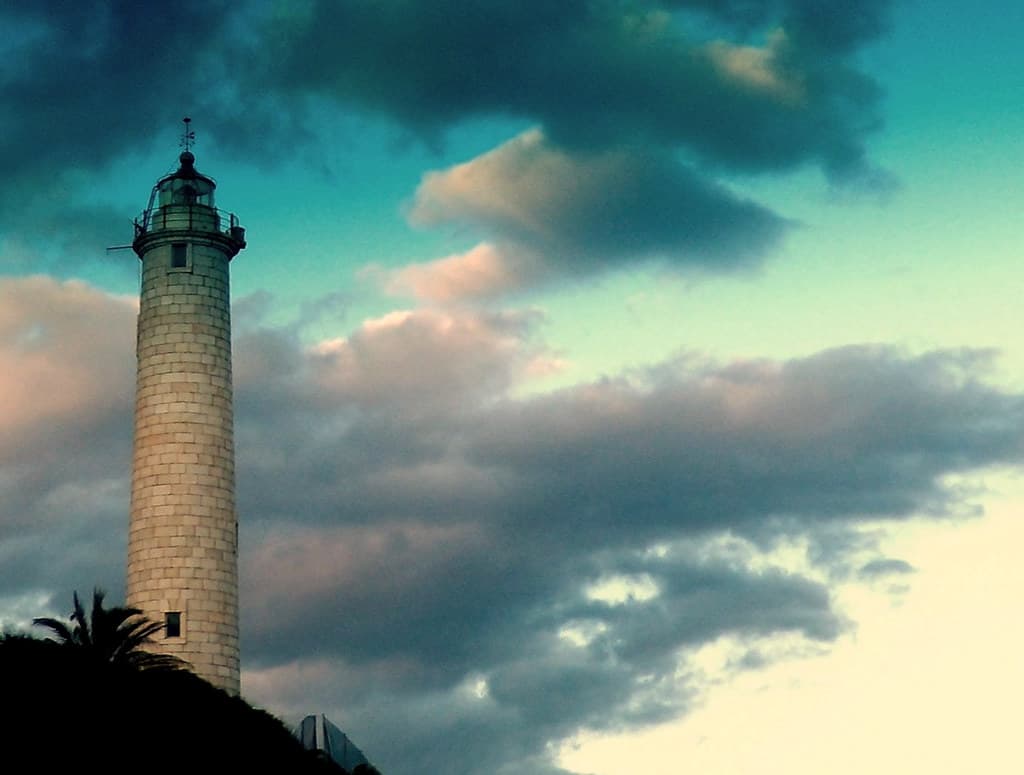
Counting the waves…
Counting the waves…
The boat cuts through shallow water, leaving the mainland village of San Blas behind. Ahead, Isla Jabalí rises low on the horizon—a sliver of dune and scrub grass that defines where river mouth becomes open ocean. This is the beach that anchors the bay's southern edge, a geography lesson written in sand and salt grass. You step onto shore and the wind greets you immediately, steady and cool off the Atlantic, carrying the smell of kelp and wet sand. The island's beach stretches long and empty, interrupted only by tide pools and the occasional fishing line left by locals who know the channel's rhythms. Gulls wheel overhead. The water here runs cold year-round, its brown-green hue a reminder that you're at the confluence of estuary and sea. Families spread blankets in the shelter of low dunes, children hunting for small crabs in the shallow margins where warmth collects. What you won't find are beach clubs or vendor carts. Isla Jabalí remains stubbornly uncommercial, its appeal rooted in solitude and the kind of coastal scenery that belongs more to Patagonia than the pampas. The island's position—standing sentinel between bay and ocean—gives it a quiet authority. You feel the pull of two ecosystems here, freshwater meeting salt, land giving way to endless horizon.
Places, rentals, tours and events within walking and driving distance of Playa Isla Jabalí.
Photos
Swimming safety at Playa Isla Jabalí depends on several factors unique to island beaches. Water conditions vary with tides, currents, and weather, and the island's exposure to different water bodies within Bahía San Blas creates variable conditions around its shores. No lifeguards are present at this remote location. Reaching the island itself requires boat access, which presents its own safety considerations. Strong currents can flow between islands and the mainland. Always assess conditions carefully, never swim alone, and inform others of your plans. The family-friendly tag suggests calmer areas exist, but exercise caution and respect the ocean environment.
Visit Playa Isla Jabalí during the Argentine summer (December-February) for the most favorable weather conditions, with warmer temperatures and calmer seas ideal for the boat journey required to reach the island. These months offer the best opportunity for beach activities and exploration. Shoulder seasons (November, March) provide fewer visitors while maintaining reasonable weather, though water temperatures remain cool. The area's isolation means it rarely feels crowded even in peak season. Wind patterns are important for boat access, so check forecasts carefully. Winter visits are extremely challenging due to cold temperatures, strong winds, and rough seas that can make island access difficult or impossible.
Reaching Playa Isla Jabalí requires a multi-stage journey. First, travel to the Bahía San Blas area along Argentina's southern Buenos Aires coast, approximately 700-800 kilometers south of Buenos Aires city via Route 3 and provincial roads—a journey best made by private 4x4 vehicle. From the mainland Bahía San Blas area, you'll need boat access to reach Isla Jabalí, as it's surrounded by water. This may require arranging private boat transport with local fishermen or bringing your own watercraft. No regular ferry services operate in this remote area. The journey demands careful planning, proper equipment, favorable weather, and ideally local knowledge or guidance.
Isla Jabalí has no commercial accommodation or dining facilities. This is an uninhabited island in a remote region with virtually no tourism infrastructure. Visitors must be entirely self-sufficient, bringing all food, water, camping equipment, and supplies. Wild camping may be possible, but verify regulations and environmental restrictions before attempting overnight stays on the island. The nearest basic services are in the Bahía San Blas mainland area, which itself offers only minimal facilities, with proper towns (Carmen de Patagones/Viedma) over 100 kilometers away. This destination is only suitable for experienced, well-equipped adventurers prepared for primitive, off-grid conditions with no amenities.
Isla Jabalí is geographically significant as it helps define the shape and character of Bahía San Blas itself. As an island beach, it offers a completely different experience from mainland coastal areas, with water surrounding the landmass creating unique perspectives and environments. The island setting provides distinct wildlife viewing opportunities, particularly for seabirds and marine species that favor island habitats. Its isolation ensures pristine natural conditions and complete solitude for those able to reach it. The interplay between island, bay, and ocean creates scenic beauty and ecological diversity. For adventurous travelers, visiting an island beach in such a remote location represents an exceptional, off-the-beaten-path Argentine coastal experience.