Counting the waves…
Counting the waves…

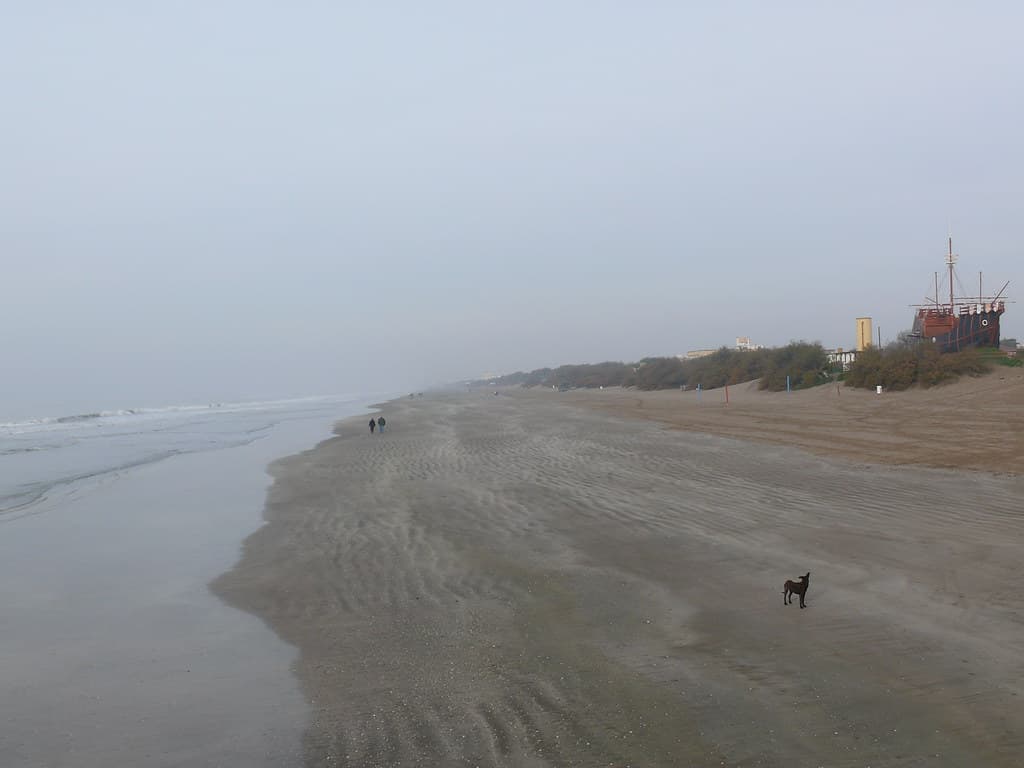
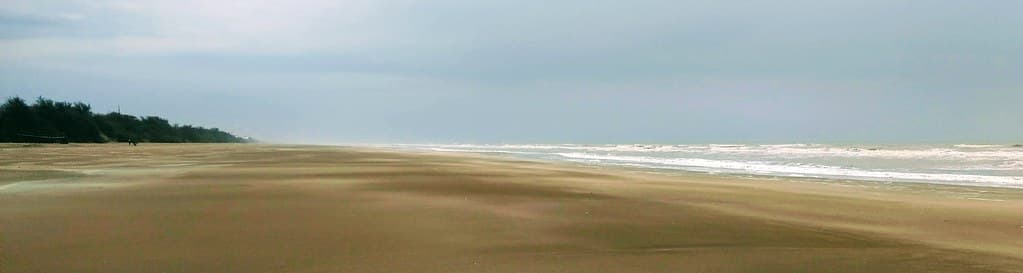
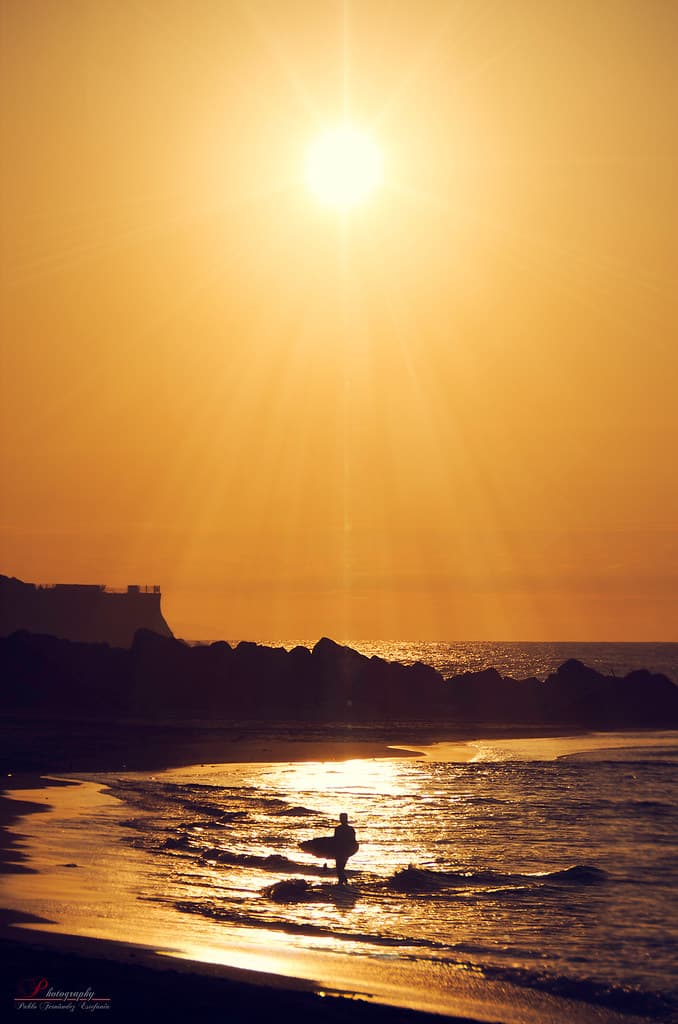
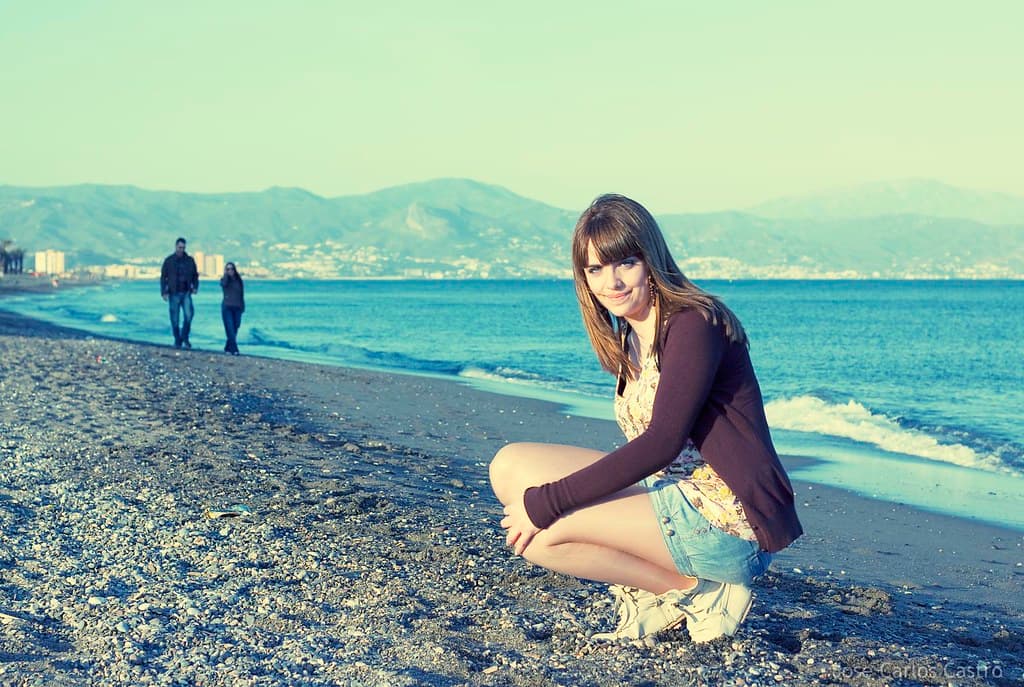
The sand beneath your feet is the same tawny Atlantic shore that stretches up and down the Costa del Tuyú, but here the rhythm slows. Families set up simple folding chairs and mate thermoses rather than rent regimented rows of loungers. The water meets the beach in long, unhurried swells, and you'll spot local anglers wading knee-deep at dawn, casting for pejerrey while the fog still clings to the dunes. Costa Chica's quiet anonymity is its greatest asset. While neighboring towns fill with January vacationers, this pocket retains breathing room even during peak season. Low-rise buildings—modest apart-hotels and corner almacenes—line the sandy streets, and you can still hear the surf from most corners of town. The beachfront lacks glitzy boardwalks; instead, you'll find hand-painted signs advertising empanadas and a handful of simple seafood grills where the day's catch determines the menu. You come here not for spectacle but for simplicity: mornings spent watching fishing boats return to shore, afternoons stretched beneath an umbrella you carried yourself, evenings when the setting sun turns the Atlantic copper and the only decision left is whether to order another round of cold Quilmes. It's beach life stripped to its essentials, and that's precisely the point.
Places, rentals, tours and events within walking and driving distance of Playa Costa Chica.
Photos
Playa Costa Chica generally offers calm, shallow waters suitable for families with children, typical of Argentina's Atlantic coast beaches. The gentle slope and sandy bottom make it safer than many ocean beaches. However, always supervise children closely, as currents can change. Lifeguard presence varies by season, with better coverage during summer months (December-February). Check local conditions before entering the water, and swim only in designated areas when lifeguards are present. The quieter nature of this beach means fewer safety personnel compared to busier neighboring towns.
The ideal time to visit Playa Costa Chica is during the shoulder seasons of November or March-April when you'll find fewer crowds and more budget-friendly accommodation. Summer (December-February) brings warmer water temperatures but also peak crowds and higher prices at nearby beaches. Winter (June-August) is quieter still but quite cold for swimming. The beach's location between Las Toninas and Santa Teresita means you can enjoy relative tranquility even during moderately busy periods. Weekdays offer significantly fewer visitors than weekends year-round.
Playa Costa Chica is approximately 330 kilometers from Buenos Aires, accessible via Route 11 along the coast. Driving takes about 4-5 hours. Regular bus services connect Buenos Aires to the La Costa region, with companies operating routes to nearby Santa Teresita or Las Toninas; from there, local transport or short taxi rides reach Costa Chica. Buses depart from Buenos Aires' Retiro terminal. During peak season, direct services may be available. The small size of Costa Chica means limited direct public transport, so having a car provides more flexibility.
Costa Chica is a small locality with limited accommodation and dining options directly on-site. Most visitors stay in nearby Santa Teresita or Las Toninas, both within a few kilometers, where you'll find hotels, rental apartments, hostels, and guesthouses at various price points. Dining options are similarly concentrated in neighboring towns, offering typical Argentine beach fare including seafood, parrilla (grills), and pizza. Small convenience stores exist locally for basics. The budget-friendly nature of this area means prices are generally lower than more famous Argentine beach destinations.
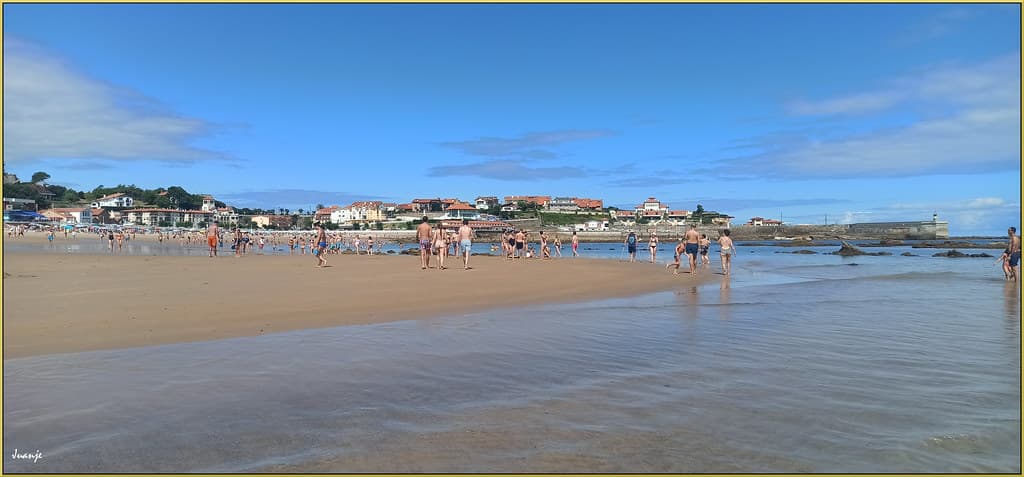
Playa Costa Chica's defining characteristic is its quiet, under-the-radar location between two busier beach towns, Las Toninas and Santa Teresita. This creates a more peaceful, local atmosphere ideal for travelers seeking to avoid crowds while still being near amenities. The beach maintains the same sandy, family-friendly characteristics as its neighbors but with significantly fewer sunbathers and beachgoers. It's essentially a residential beach area favored by locals and return visitors who prefer tranquility. This makes it excellent for relaxation and sunbathing without the typical Argentine beach resort bustle.