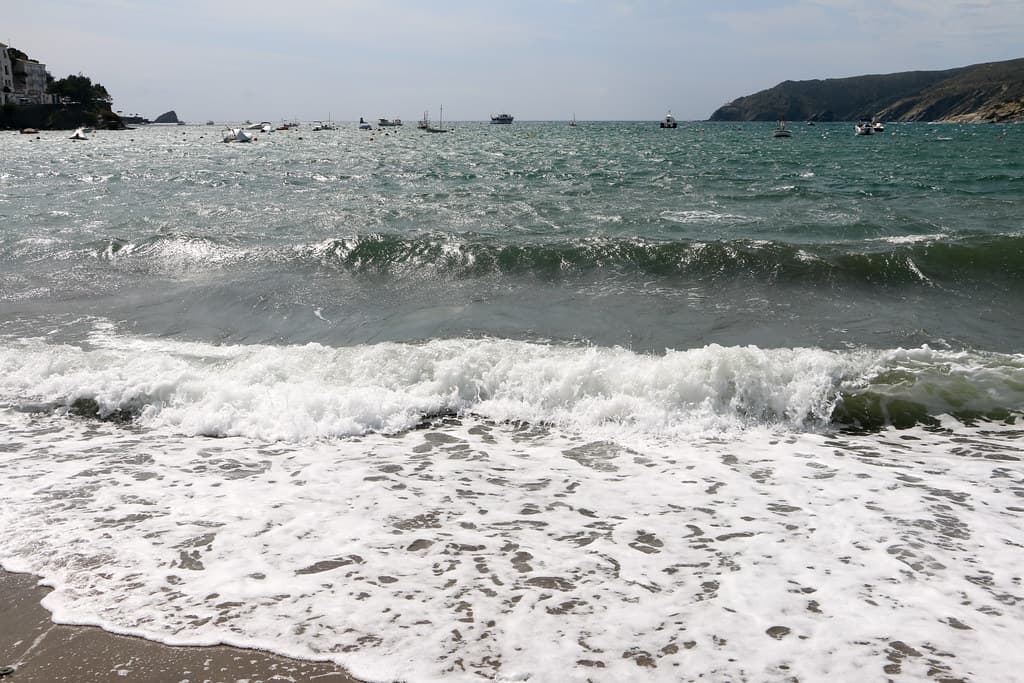
Counting the waves…
Counting the waves…

Playa La Lucila occupies a quiet stretch of riverfront in Buenos Aires' northern suburbs, where the Río de la Plata laps against a modest band of sand tucked between the coastal reserve and residential streets. The beach lacks the drama of Atlantic surf—this is river water, tawny and calm, bordered by eucalyptus and native grasses rather than palms. You'll find porteños from the neighborhood spreading out towels on weekday afternoons, and the atmosphere is decidedly local: no vendors hawking sarongs, no amplified reggaeton, just the occasional mate circle and the soft slap of water against the shore. The reserve zone behind the beach offers walking paths through scrubby dunes and wetland habitat, a rare pocket of semi-wild space this close to the city center. Herons stalk the shallows at dawn, and if you arrive before the dog-walkers claim the sand, you might catch the river in its stillest mood, reflecting the skyline of distant high-rises to the south. Sunset is the main event. As the light drops, the river takes on shades of persimmon and slate, and the handful of people still on the beach turn instinctively westward. There's no fanfare, no countdown—just the quiet recognition that even a city river, broad and workmanlike, knows how to put on a show.

Places, rentals, tours and events within walking and driving distance of Playa La Lucila.
Photos
Swimming conditions at Playa La Lucila depend on the Río de la Plata's water quality, which can vary. The river here is often murky with sediment and pollution levels fluctuate. Local authorities occasionally post advisories. Many visitors come for walking, sunbathing, and scenic views rather than swimming. If you do swim, check recent water quality reports and avoid going in after heavy rains when runoff increases contamination. The beach is generally safe in terms of crime during daytime hours, especially when other people are present.
The best time to visit Playa La Lucila is during spring (September-November) and autumn (March-May) when temperatures are mild and crowds are minimal. Summer weekends (December-February) see more locals, though this beach remains quieter than major tourist beaches. Weekday mornings offer the most peaceful experience. Late afternoon is ideal for sunset views over the Río de la Plata. Winter months (June-August) are less popular due to cooler temperatures, but the beach area remains accessible for walks and photography along the coastal reserve.
From central Buenos Aires, take the Mitre commuter train line toward Tigre and get off at La Lucila station, approximately 30-40 minutes from Retiro. From the station, it's a 10-15 minute walk toward the river. Alternatively, several bus lines serve the area including routes 60 and 152. By car, take Avenida del Libertador north; parking is available on nearby streets though spaces can be limited on weekends. The beach is easily accessible on foot or bicycle from neighboring Vicente López and Olivos.
La Lucila offers various dining options within walking distance of the beach, including cafés, pizzerias, and Argentine parrillas (steakhouses) along Avenida del Libertador and surrounding streets. Being a residential neighborhood rather than a tourist resort, accommodation options are limited to occasional rental apartments; most visitors stay in central Buenos Aires or nearby Vicente López. For more dining variety, the neighboring areas of Olivos and San Isidro provide additional restaurants. Small kiosks near the waterfront sell snacks and beverages during warmer months.
Playa La Lucila stands out for its proximity to a coastal reserve zone, offering a more natural setting than many developed riverfront areas in metropolitan Buenos Aires. This hidden gem attracts mainly local residents rather than tourists, providing an authentic neighborhood beach experience. The scenic riverfront features mature trees and green spaces, making it popular for sunset watching and peaceful walks. Unlike commercial balnearios with entrance fees and facilities, this beach maintains a low-key, accessible character that reflects traditional riverfront recreation in the northern suburbs.