
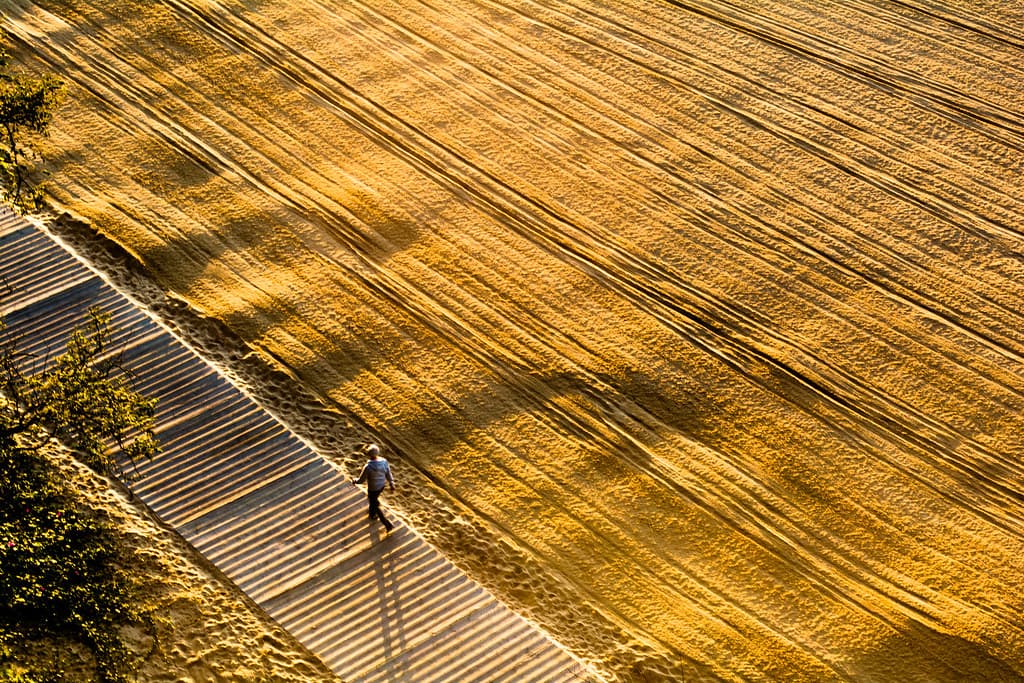
Playa Magdalena occupies a liminal strip where river becomes bay, where fresh and salt waters negotiate their ancient boundary in slow, silty choreography. The beach itself runs wide and flat, interrupted by weathered groyne pilings that jut like broken teeth into the shallows. When the tide retreats, it leaves behind tidal pools dimpled with tiny crabs and the occasional stranded medusa, drawing children with plastic buckets and grandmothers wielding sun hats as wide as steering wheels.
“The only beach where you can watch the Río de la Plata visibly transform into Samborombón Bay, a geographic threshold marked by shifting salinity and migrating bird corridors.”
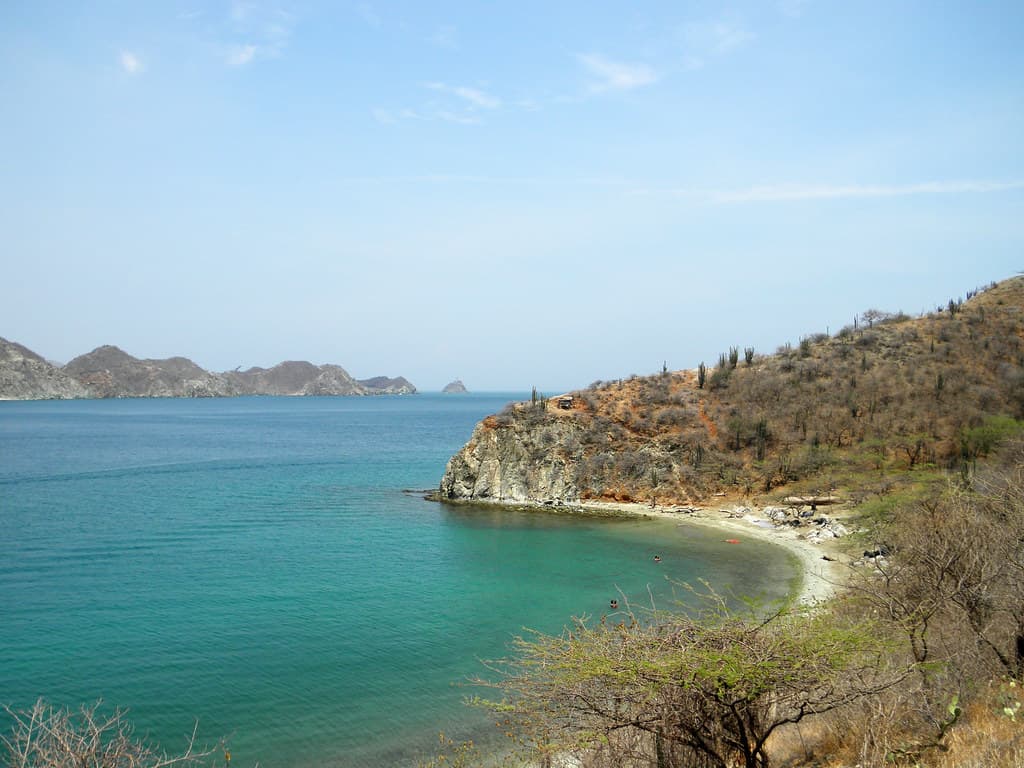 Credit: Flickr
Camino a la playa
This is not a postcard beach. The water carries sediment from the Paraná Delta upstream, staining it the warm brown of river clay, and the sand crunches underfoot with fragments of shells and dried algae. But what Magdalena lacks in Caribbean clarity it repays in space—on a weekday morning you might walk a kilometer and pass only a lone fisherman checking his lines, pelicans bobbing offshore like decoys.
Sunset here unfolds as theater: tangerine light spills across the bay, gilding the masts of anchored skiffs and turning the wet sand into hammered copper. Vendors sell choripán from wheeled carts, the sizzle of sausage and chimichurri scent mixing with the briny tang of exposed mudflats. You sit, you eat, you watch the sky bleed violet, and the city—Buenos Aires proper—feels like a rumor from another country entirely.


