Counting the waves…
Counting the waves…
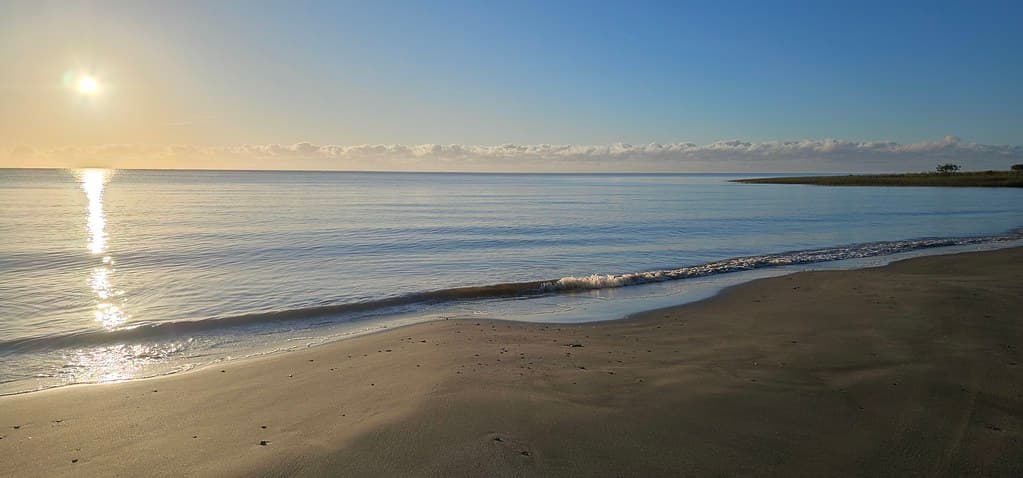
Playa Vieytes sprawls along the Samborombón Bay coast like a secret the province forgot to mention—no umbrellas, no vendors, just kilometers of tawny sand interrupted by driftwood and the occasional rusted fishing skiff. The water here is brackish and brown, stained by sediment from the Paraná Delta upstream, but it spreads so flat and calm you can wade out a hundred meters and still touch bottom. Herons stalk the shallows at dawn; by midday the wind picks up, carrying the scent of salt grass and distant cattle. This stretch between Magdalena and Punta Indio belongs to no one in particular. A few weathered weekend houses dot the access roads, but most days you'll share the beach only with locals combing for clams or fishermen checking nets. The horizon is a hazy line where river becomes ocean, and the silence—broken only by wind and the soft lap of waves—feels almost archaeological, as if you've stumbled onto a coast unchanged since the gauchos first rode through. Bring water, sun protection, and low expectations of infrastructure. There are no facilities, no lifeguards, no Wi-Fi to tether you to anywhere else. What Vieytes offers instead is space: physical, mental, the kind that resets your internal compass after too many weeks in the capital's crush.

Places, rentals, tours and events within walking and driving distance of Playa Vieytes.
Photos
Swimming at Playa Vieytes is generally safe due to the calm conditions of Samborombón Bay, though facilities and safety services are absent. The beach experiences significant tidal fluctuations, so be aware of changing water levels. Waters are shallow and murky with sediment, typical of bay environments. There are no lifeguards, so swim at your own risk and never alone. Families should closely supervise children. The remote location means help is not immediately available in emergencies. Check tide times before visiting and avoid swimming during storms or high winds when bay conditions can deteriorate.
Spring (September-November) and fall (March-May) offer the most comfortable conditions with mild temperatures and fewer visitors. Summer (December-February) provides warmer weather for water activities but can be humid. This extremely quiet beach sees minimal crowds even during peak season, with weekdays virtually deserted. Visit during higher tides for better water access, as low tide exposes extensive mudflats. Early morning and late afternoon provide excellent lighting for photography and wildlife observation. Winter months are generally too cold for swimming but can offer peaceful solitude for coastal walks and nature appreciation.
Playa Vieytes is located in the coastal zone between Magdalena and Punta Indio municipalities, roughly 150-180 kilometers from Buenos Aires. Access requires a private vehicle; take Route 11 south along the coast, watching for signs to Vieytes or asking locals for directions to this small settlement's beach area. Public transportation is virtually non-existent to this remote location. Roads may include unpaved sections, especially near the coast. GPS coordinates can be helpful, but local knowledge is valuable as signage is minimal. Allow 2.5-3 hours driving from Buenos Aires, depending on exact starting point and road conditions.
Playa Vieytes is extremely undeveloped with no on-site facilities. Vieytes is a very small rural settlement with minimal services. The nearby town of Magdalena, several kilometers away, offers basic accommodations, small restaurants, and shops where you can purchase supplies. For more comprehensive tourism infrastructure, consider staying in coastal towns like San Clemente del Tuyú or making this a day trip from Buenos Aires or La Plata. Always bring food, water, sun protection, and any equipment you need, as you cannot rely on finding services near this sparse coastal area.
Playa Vieytes represents one of the most untouched and least-visited coastal areas in Buenos Aires Province, offering complete solitude and authentic rural coastal character. The beach sits in a transitional zone between small settlements, preserving a wild, undeveloped atmosphere. Visitors experience the bay coast as it has existed for generations, without modern beach infrastructure or crowds. The area appeals to those seeking genuine escape, nature observation, and photography of pristine coastal landscapes. The extreme remoteness and lack of commercialization make it ideal for travellers wanting to disconnect completely and experience Argentina's coastal wilderness.