Counting the waves…
Counting the waves…
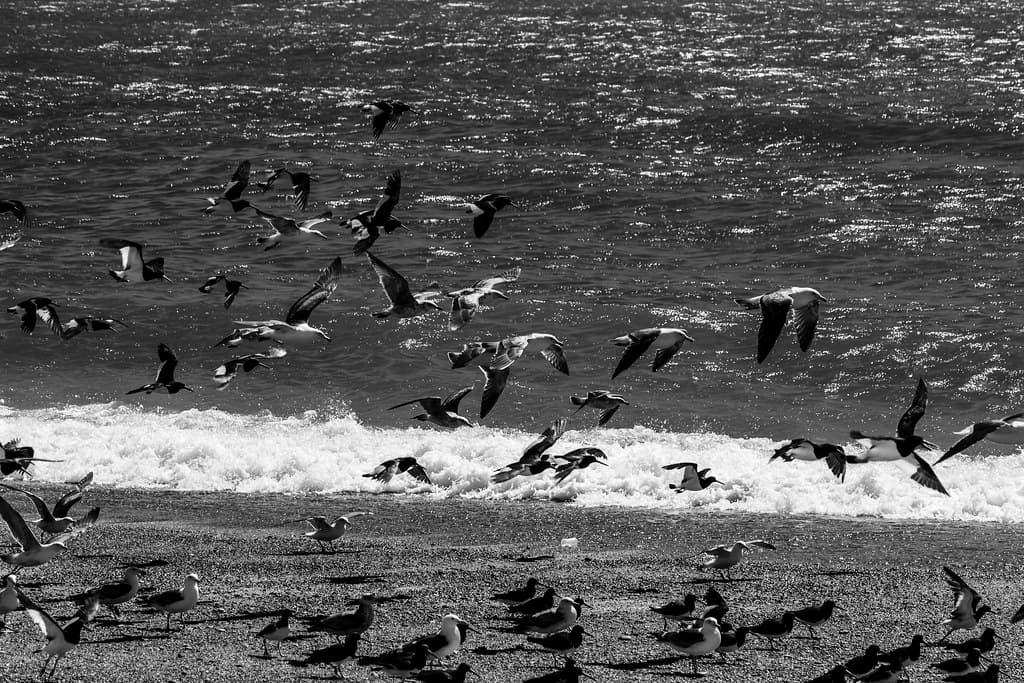
The walk down from Mar de las Pampas village takes you through a tunnel of acacias and pines, their needles softening each footfall until the trees part and you're standing where few bother to venture. Playa Sur feels like a secret kept by couples who've outgrown the shoulder-to-shoulder scene at Villa Gesell, ten minutes north. The sand here is finer, almost powdery where it meets the dune grass, and the shore curves gently enough that you can walk for an hour without seeing the same stretch twice. Mid-morning in March or October, you'll have whole sections to yourself—just gulls and the occasional fisherman checking lines. The beach lacks infrastructure by design; Mar de las Pampas never wanted to become its noisier neighbor. You bring your own mate, your own towel, your own sense of when to leave before the afternoon families trickle in from lunch. The water stays brisk year-round, hovering near 15°C even in summer, but that doesn't stop the locals who wade in at dawn. By late afternoon, the light slants gold across the dunes, turning the dry grasses amber and casting long shadows from the few windswept shrubs that cling to the sand. You'll leave with salt on your skin and the particular quiet that comes from a beach that never had to try.
Places, rentals, tours and events within walking and driving distance of Playa Sur Mar de las Pampas.
Photos
Playa Sur Mar de las Pampas offers relatively safe swimming conditions during calm weather, though lifeguard presence is limited in this quieter southern section. The Atlantic waters remain cool and can develop moderate waves and currents. Swimmers should exercise normal ocean safety precautions, including checking conditions before entering the water and avoiding isolated swimming. The beach's gentle atmosphere attracts cautious swimmers and couples rather than adventure seekers. Beach conditions are generally calmer than more exposed areas, but always respect the ocean and local weather patterns.
The ideal time for Playa Sur Mar de las Pampas is during shoulder seasons—November or March through early April—when the weather remains pleasant but crowds thin considerably. Mid-week visits outside Argentine school holidays provide the quietest experience. Summer months (December-February) offer warmest conditions but attract more couples to this romantic coastal area. Morning hours typically offer more solitude than afternoons. The beach's naturally peaceful character means it never feels as crowded as major resort beaches, even during peak season.
Playa Sur Mar de las Pampas is accessed through the village of Mar de las Pampas, approximately 360 kilometers from Buenos Aires along Route 11. Reach the village by car (4-5 hours) or bus service from Buenos Aires. Once in Mar de las Pampas, navigate south through the village's quiet, tree-lined streets toward the southern beach access points between Mar de las Pampas and Las Gaviotas. Walking paths through the maritime forest lead to the beach. The area maintains a low-key atmosphere with minimal signage, preserving its natural ambiance.
Mar de las Pampas village offers boutique accommodations including cabañas, apart-hotels, and bed-and-breakfasts nestled among pine and acacia trees. The area caters to couples and those seeking quiet, nature-oriented stays. Restaurants range from casual parrillas to more upscale dining, though options are fewer than in larger resorts. Most establishments close or reduce hours outside peak season, so check availability in advance. The beach itself has limited commercial development, so bring provisions for a day on the sand. Nearby Las Gaviotas also offers dining options.
Playa Sur Mar de las Pampas occupies the transitional zone between Mar de las Pampas and Las Gaviotas, offering a softer, more intimate beach experience than either village's main stretches. The area combines Mar de las Pampas's romantic, forested ambiance with uncrowded sands. This southern edge attracts couples seeking privacy and quiet beach moments away from the limited development further north. The beach retains a hidden quality despite being accessible, with natural dune formations and less infrastructure creating an escape-like atmosphere ideal for relaxation and contemplation.