Counting the waves…
Counting the waves…

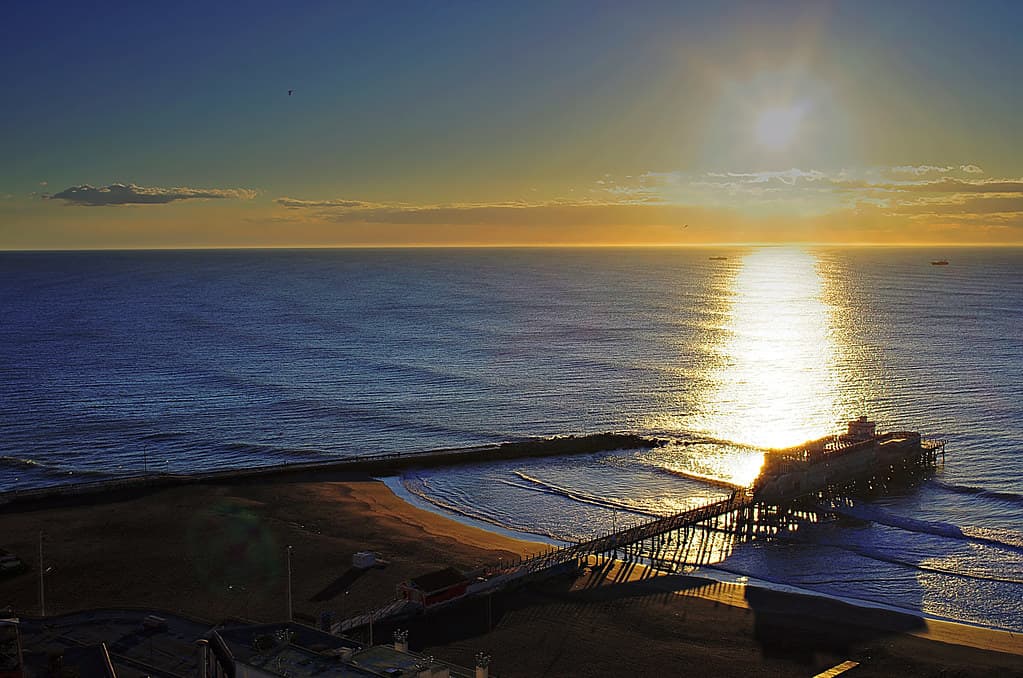
Playa Alicante occupies the stretch of coastline where Mar del Plata stops pretending to be a resort and simply becomes a beach town. You reach it on foot from the surrounding barrios—Playa Grande to the north, La Perla bleeding into its southern edge—where apartment balconies overlook the rambla and the smell of grilled meat drifts down from parrillas at lunch. The sand is coarse and honest, the kind that sticks to your calves and requires a proper shake before you climb back into your sandals. Families stake out spots early on summer weekends, planting umbrellas in tight constellations while children zigzag toward the water. The beach operates on a neighborhood cadence: morning swimmers, midday sun-seekers sprawled on towels, late-afternoon mate circles as the heat softens. Lifeguard posts mark the swim zones, and the Atlantic rolls in with a businesslike consistency that keeps bodyboarders busy and toddlers squealing at the foam line. You won't find boutique beach clubs or influencer backdrops here. What you get instead is the everyday texture of an Argentine beach summer—the thwack of a paddle ball game, the sing-song calls of vendors selling garrapiñada, the easy coexistence of locals who know exactly which entry point brings them closest to their preferred patch of sand. Playa Alicante delivers the coast without the curated edit.
Places, rentals, tours and events within walking and driving distance of Playa Alicante.
Photos
Playa Alicante is family-friendly with lifeguard services during summer months (typically December through March). The sandy beach has moderate Atlantic waves suitable for children under supervision. Swim only in designated areas when lifeguards are present and follow flag warnings. The urban location means medical services and facilities are nearby. During peak season, the beach is well-populated, providing additional safety through numbers. Always supervise children near the water and be aware that wave conditions can change throughout the day.
Playa Alicante can be visited year-round due to its central-north location and urban accessibility. Summer (December-February) offers the warmest weather and full beach services but brings crowds. For pleasant conditions with fewer people, visit during shoulder months (November or March-April). Weekday visits even during peak season tend to be less crowded than weekends. The beach remains accessible in winter for walks and sightseeing, though swimming is uncomfortable. Budget travelers benefit from visiting outside January when accommodation prices drop.
Playa Alicante is located in the central-north area of Mar del Plata, easily accessible by public transportation. Multiple city bus lines serve the area connecting to downtown and other neighborhoods. The journey from the city center takes approximately 10-20 minutes. Walking is possible from nearby areas like La Perla. Taxis and ride-sharing services are readily available and affordable. If driving, parking is available on surrounding streets, though spaces can be limited during summer weekends. The urban setting ensures straightforward access.
The area around Playa Alicante offers diverse accommodation including hotels, apart-hotels, hostels, and vacation rentals at various price points, generally more affordable than prime seafront locations. Numerous restaurants, cafés, and pizzerias are within walking distance serving Argentine cuisine, seafood, and international options. Beach kiosks operate during summer selling refreshments and snacks. Supermarkets and shops are easily accessible in the surrounding neighborhoods. The urban location provides convenient access to Mar del Plata's broader dining and entertainment options.
Playa Alicante is connected to the La Perla beach area but maintains its own local identity within the northern Mar del Plata coastline. While geographically adjacent, Playa Alicante often refers to a specific neighborhood section used primarily by local residents. It tends to be slightly less crowded than the central La Perla areas while offering similar facilities and urban beach access. The distinction is more important for locals and real estate purposes than tourists, as the beaches blend together along the continuous shoreline.