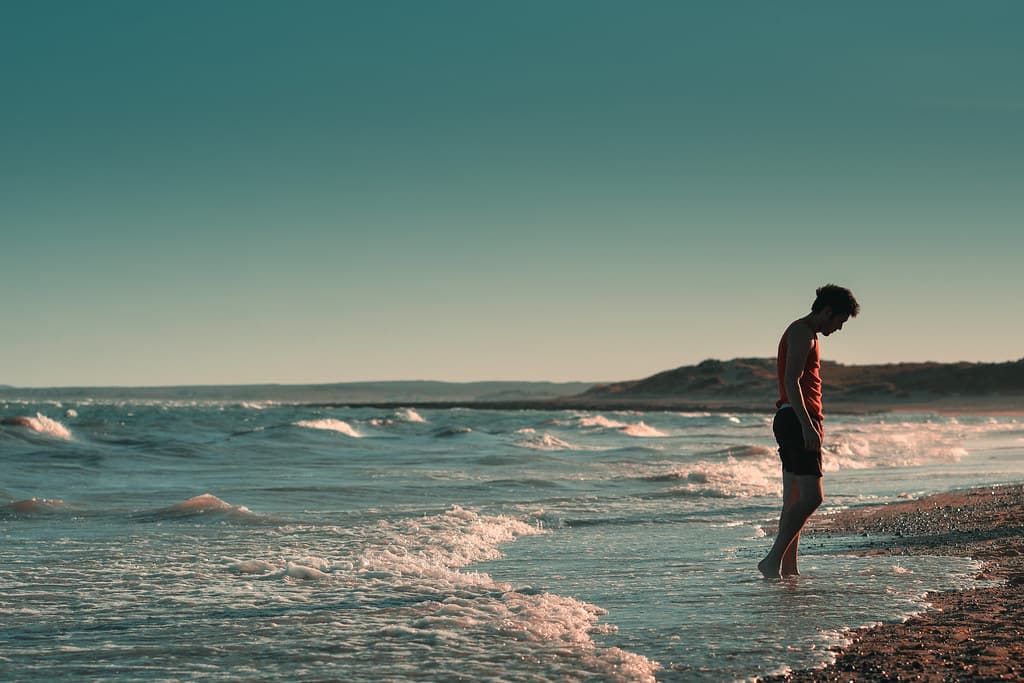
Counting the waves…
Counting the waves…
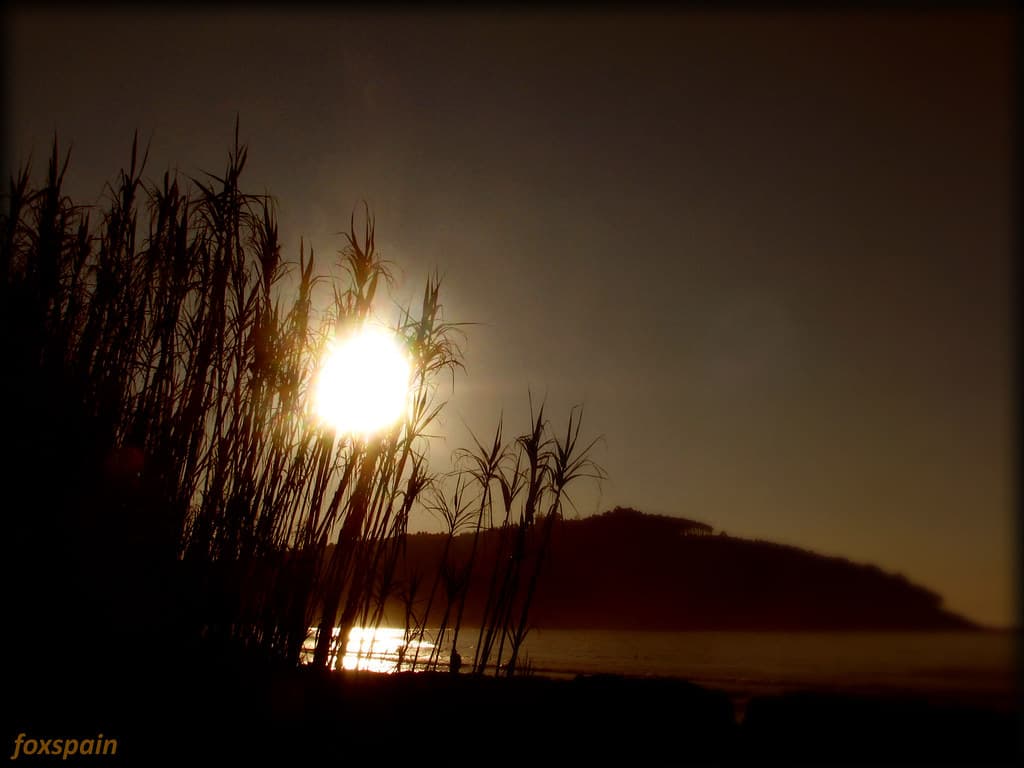
The southern continuation of Médano Blanco feels less like a beach and more like a coastal frontier. Ribbon grass anchors dunes that rise and fall in gentle swells, mimicking the ocean beyond. You'll hear the wind before you see the water—a constant whisper that smooths footprints and carries the briny tang of kelp beds offshore. The few visitors who make the trek tend to stake out territory near the dune line, using the sandy rises as windbreaks while they read or nap in the afternoon sun. The shoreline itself is wide and firm at low tide, a beige expanse where sandpipers sprint in quick bursts and the receding waves leave lace patterns of foam. Unlike the organized rows of umbrellas to the north, here you claim space simply by spreading a towel. The water is cool year-round—expect a shock when you first wade in—but the waves roll in with dependable rhythm, their crests bright against the deeper blue offshore. By late afternoon, the light turns honeyed, coating the dunes in amber and lengthening your shadow across the sand. This is when the beach feels most remote, when even the distant skyline of Necochea's resort strip fades into soft focus. Pack out what you pack in; there are no facilities here, just sand, sky, and the kind of quiet that reminds you the Atlantic continues all the way to Africa.

Places, rentals, tours and events within walking and driving distance of Playa Médano Blanco Sur.
Photos
Swimming conditions vary depending on weather and tides. This southern beach is more remote than central Necochea beaches, so lifeguard presence may be limited or absent. The Atlantic Ocean here can have strong currents and waves. Always check local conditions before entering the water, swim parallel to shore if caught in a current, and avoid swimming alone. The beach's isolation means help may not be immediately available, so exercise extra caution and stay aware of changing weather conditions.
The beach is best visited during Argentina's summer months (December through February) for warm weather, though it's known for having fewer crowds year-round. Shoulder seasons (November and March) offer pleasant temperatures with even more solitude. The beach's remote nature means it remains quieter than central Necochea beaches even during peak season. Mornings typically offer calmer winds, as afternoons can bring stronger breezes from the ocean. For photographers, golden hour provides stunning light across the dune landscapes.
This beach is located south of the main Médano Blanco area in Necochea. Access typically requires a vehicle, as it's beyond the main tourist zones. You'll drive south from central Necochea, following coastal routes toward the dune areas. Roads may be unpaved or sandy in sections, so a vehicle with good clearance is helpful. Public transportation is limited to this remote area. Plan for a short drive from Necochea's town center, and consider asking locals for current road conditions and the best access points.
This remote beach has minimal to no facilities directly on-site. You'll find accommodation and dining options in Necochea proper, approximately a short drive away. Necochea offers hotels, hostels, rental apartments, and restaurants ranging from seafood to traditional Argentine parrillas. Stock up on water, snacks, and sun protection before heading to the beach, as there are no vendors or services at this isolated stretch. Most visitors treat it as a day trip from Necochea accommodations.
This beach stands out for its remote, untouched character and impressive white sand dunes that give the area its name. Unlike busier Necochea beaches, you'll find far fewer visitors and a true sense of escape. The southern location beyond the main Médano Blanco area creates a wilder, more natural atmosphere. The dune landscapes are particularly scenic and photogenic. It's ideal for those seeking solitude, nature walks along empty shorelines, and sunbathing away from crowds, offering a different experience from Necochea's more developed beaches.