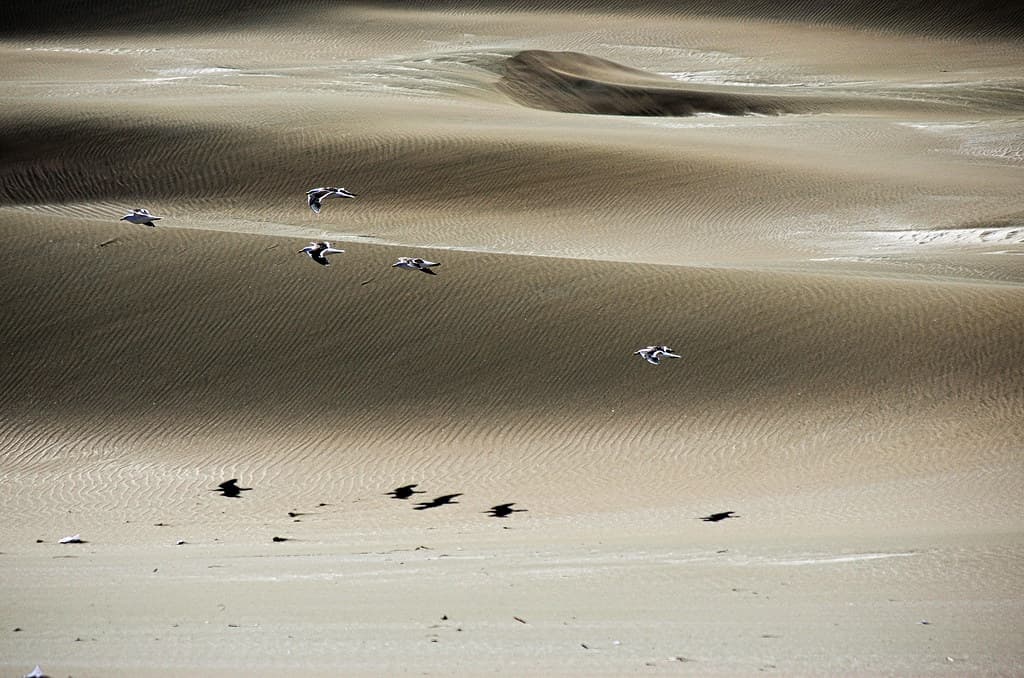
Counting the waves…
Counting the waves…

The drive south from Buenos Aires trades asphalt predictability for sandy turnoffs and handpainted signs that point toward fishing villages time seems to have sidestepped. Playa El Chorro announces itself quietly—no boardwalk, no umbrella rentals, just a broad sweep of tawny sand bordered by dunes that shift shape with each Atlantic gale. The beach takes its name from a freshwater stream that trickles through the sand during wetter months, carving ephemeral channels before surrendering to the tide. Surfers arrive early, waxing boards in gravel parking areas while thermos coffee steams in the salt air. The waves here break with honest force, fed by swells that travel unimpeded across the South Atlantic, and the lineup rarely holds more than a handful of locals who nod but don't crowd. Between sets, you'll notice how the light changes—mornings bring a pewter gleam, afternoons turn the water cobalt, and by evening the whole coast glows amber. The villages flanking El Chorro operate on fishing schedules and siesta rhythms. A handful of modest guesthouses offer rooms with mismatched furniture and spectacular indifference to luxury. The best meals come from roadside parrillas where the proprietor brings you whatever came off the grill five minutes ago. You won't find nightlife or curated experiences here—just reliable surf, empty sand, and the particular satisfaction of a beach that hasn't yet learned to perform for strangers.

Places, rentals, tours and events within walking and driving distance of Playa El Chorro.
Photos
Playa El Chorro can offer surfing opportunities when Atlantic swells reach the Buenos Aires southern coast, though conditions vary considerably by season and weather patterns. Being a low-profile beach between towns, it may catch different wave patterns than more popular surf spots. Winter months (May-September) generally produce larger swells, though water is cold requiring wetsuits. Summer waves tend to be gentler. Local knowledge is valuable for finding the best conditions. The uncrowded nature means you won't compete for waves, but safety precautions are essential as services are limited at this remote location.
The best time depends on your goals. For surfing, autumn through spring (April-November) brings more consistent swells, though you'll need a wetsuit for cold water. For general beach activities and sunbathing, December through March offers warmer weather, with shoulder months providing fewer crowds. Weekdays year-round ensure solitude at this already quiet beach. Early morning sessions provide calmest winds and best wave quality for surfers. Check surf forecasts and tide charts before making the trip, as the beach's position between Orense and Cristiano Muerto means conditions can vary from neighboring beaches.
Playa El Chorro sits between Orense and Cristiano Muerto along the Buenos Aires southern coast, accessible primarily by vehicle. From Buenos Aires city, drive south toward the coastal region (several hours). The beach's position between towns means looking for local roads or tracks leading to the coast from the main coastal route. Access may be via unpaved roads or beach tracks. Parking is informal near beach access points. Use Orense as your reference town for directions. The low-profile nature means signage may be limited, so GPS coordinates or local guidance can be helpful.
Being a low-profile beach between towns, Playa El Chorro lacks direct amenities. Your best option is staying in Orense, which offers guesthouses, small hotels, and dining options serving typical Argentine coastal fare. The beach's remote location means packing all necessary supplies: food, water, sun protection, and any surf equipment. No vendors or services operate at the beach itself. Nearby Cristiano Muerto may also have limited services. For longer stays or more amenities, consider larger coastal towns in the region. Always bring sufficient provisions for self-sufficient beach days.
While the specific origin of the name "El Chorro" (which can mean "the stream" or "the spout") isn't definitively documented, coastal place names often reference geographical features like freshwater streams reaching the ocean, historical landmarks, or local topographical characteristics. The beach may feature seasonal water flows, a distinctive coastal feature, or historical usage that earned this name. Many Argentine beaches bear descriptive names reflecting their natural characteristics or local history. Regardless of origin, the name helps distinguish this particular stretch between Orense and Cristiano Muerto from surrounding coastal areas along the Buenos Aires southern dune coast.