Counting the waves…
Counting the waves…

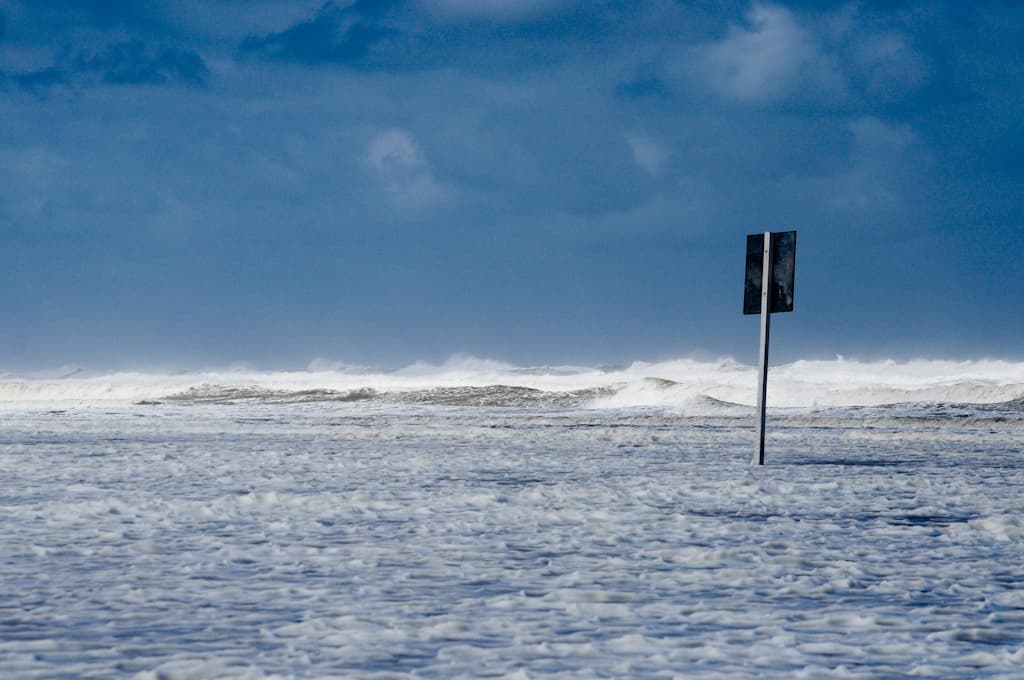
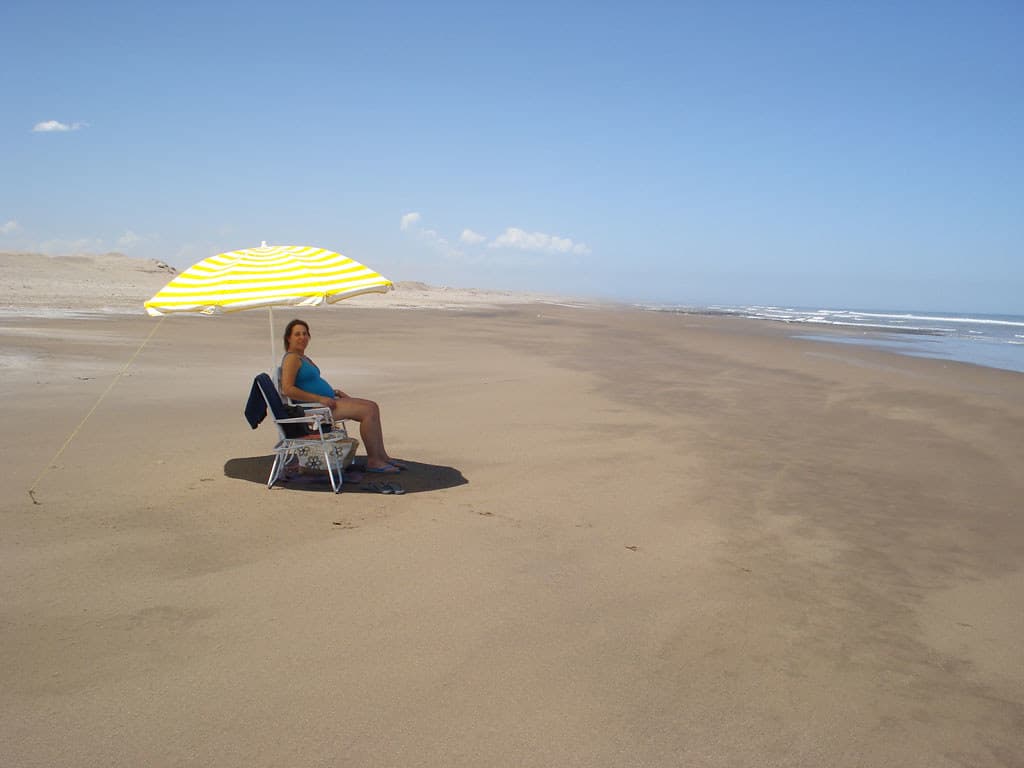
Playa Quequén stretches south from the mouth of the Quequén Grande River, a working beach that refuses to polish itself for outsiders. The sand here is coarse underfoot, salted by Atlantic spray, and the waves arrive in sets powerful enough to knock the unwary sideways. Families stake out their territory with canvas windbreaks—essential armor against the constant offshore breeze—while surfers paddle out in thick wetsuits, reading the shifting sandbars that reshape after every storm. The rivermouth itself is a study in contrasts: fishing trawlers chug upstream past sunbathers, and the scent of grilled choripán from shoreline parrillas mixes with iodine tang. You'll find no thatched umbrellas or cocktail service here. Instead, locals arrive with thermoses of mate, folding chairs, and the kind of easy familiarity that comes from claiming the same spot every January for thirty years. Beyond the developed stretch near the port, the beach opens into kilometers of nearly empty coastline. Dunes rise in tawny ridges behind the high-tide line, anchored by tough marram grass. Gulls wheel overhead, and if you walk far enough south on a winter afternoon, you might see southern sea lions hauled out on the distant rocks, their barks carrying on the salt wind.
Places, rentals, tours and events within walking and driving distance of Playa Quequén.
Photos
Playa Quequén has strong surf and currents, which can be challenging for young swimmers. Lifeguards are typically on duty during peak summer season (December-February), but conditions vary daily. Families with small children should stay in designated swimming areas and always supervise closely. The beach is better suited for older children and confident swimmers. Check local flags and consult lifeguards about current conditions before entering the water, especially on windy days when waves intensify.
The best weather occurs during the Argentine summer from December through February, with temperatures ranging 20-28°C. However, for fewer crowds, consider visiting during shoulder months like November or March when weather remains pleasant but beaches are less packed. Weekdays are quieter than weekends year-round. Surfers find consistent waves throughout the year, though winter (June-August) brings bigger swells but colder water requiring wetsuits. Early morning visits offer the most tranquil atmosphere regardless of season.
Playa Quequén is approximately 500 km south of Buenos Aires. By car, take Route 2 southbound, then Route 88 to Quequén (about 5-6 hours). Several bus companies operate daily services from Buenos Aires' Retiro terminal to Quequén, with journey times around 6-7 hours. Once in Quequén town, the beach is easily accessible on foot or by short taxi ride from the center. The town sits across the Quequén Grande River from Necochea, connected by bridge.
Quequén town offers various accommodation options including family-run hostels, vacation rentals, and small hotels, generally more affordable than neighboring Necochea. Beachfront and town-center restaurants serve traditional Argentine fare, fresh seafood, and casual beach food. Most dining establishments operate seasonally, with full service during summer and limited options in winter. Many visitors rent apartments for weekly stays during peak season. Book accommodation in advance for January, the busiest month. Supermarkets and bakeries in town provide self-catering options.
Playa Quequén maintains a more local, authentic atmosphere compared to its larger neighbor Necochea across the river. The beach attracts a dedicated surf community thanks to consistent waves and sandbar breaks. Its position at the river mouth creates unique coastal dynamics with varied conditions along the shore. The town retains a working-port character rather than purely tourist focus, offering insight into coastal Argentine life. The strong surf culture and local vibe make it popular with Argentine surfers seeking less commercialized conditions.