Counting the waves…
Counting the waves…

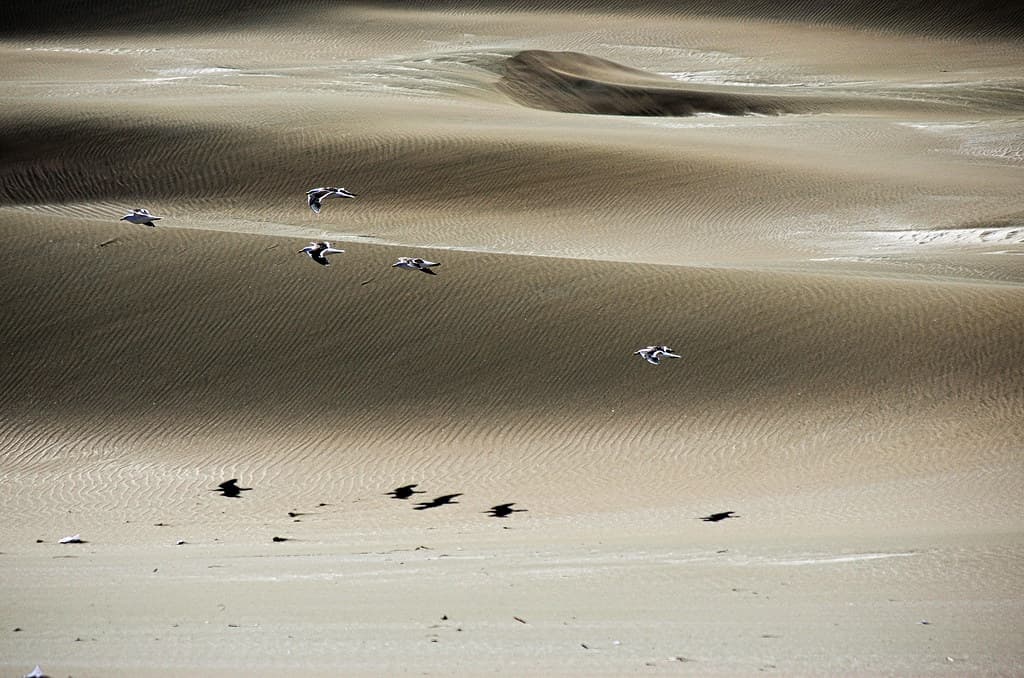
You park along the gravel shoulder where the paved road surrenders to sand, then walk past the last striped umbrellas until the dunes rise like a natural rampart between you and the town. Here, the beach belongs to you and the shorebirds—terns stabbing at the waterline, gulls wheeling overhead. The sand is fine and blindingly pale, cool beneath the surface even on January afternoons, and it piles into soft ridges that shift with every southern wind. The dunes themselves are the real architecture: marram grass stitching their crests, hollows deep enough to escape the breeze, slopes that children tumble down shrieking. You spread your towel in the lea of a dune and feel the temperature drop five degrees. The ocean here is earnest—gray-green, muscular, better for wading than swimming unless you grew up in these waters. By late afternoon the light goes golden and horizontal, catching every contour in the sand, every seed head nodding in the grass. A few locals appear with thermoses of mate, settling into their usual spots without ceremony. No vendors hawk empanadas, no jet skis shred the quiet. Just the pulse of waves, the scratch of sand against your ankles, and the sense that you've slipped through a seam in the coast to somewhere unhurried and entirely your own.
Places, rentals, tours and events within walking and driving distance of Playa Médano Blanco San Cayetano.
Photos
Swimming safety at Playa Médano Blanco depends on daily Atlantic Ocean conditions along this stretch of Buenos Aires coast. Being west of the main balneario (resort area), this beach typically lacks dedicated lifeguard services. Ocean conditions can include moderate waves and undertows, particularly during windy weather. Always assess water conditions before entering and never swim alone. Strong swimmers should still exercise caution. The quiet nature of this beach means fewer people around to assist in emergencies, so prioritize safety and stay close to shore if uncertain.
Visit during late spring through early autumn (November-April) for the most comfortable beach weather, with December through February being warmest but busiest. For true solitude, weekdays in March, April, or November offer pleasant conditions with minimal crowds. Winter months are quite cold and windy, suitable mainly for beach walks rather than sunbathing. Early morning hours provide the calmest winds and most serene atmosphere. Since this beach emphasizes tranquility, avoiding Argentine holiday weekends and January peak season ensures the peaceful experience most visitors seek here.
Playa Médano Blanco is located west of San Cayetano's main balneario area along the coastal road. You'll need a vehicle to access this beach, as it's set apart from the town center. From San Cayetano, follow coastal routes heading west, looking for access paths leading to the white dune (médano blanco) beach area. Roads may transition to sand or gravel near the beach. Parking is informal along the roadside or designated pull-offs. The drive from Buenos Aires city takes several hours, with San Cayetano being your reference point.
Since Playa Médano Blanco is west of the main San Cayetano balneario, immediate beach services are minimal or absent. Plan to stay in San Cayetano town proper, where you'll find lodging ranging from basic guesthouses to small beach hotels, plus restaurants serving Argentine and seafood dishes. Bring your own food, drinks, and supplies for a beach day, as vendors don't typically operate at this quiet stretch. The main balneario area has more amenities. Book accommodation in advance during summer months when coastal towns fill with vacationers.
The name Médano Blanco refers to the distinctive white or light-colored sand dunes characterizing this beach area. These pale dunes create a striking visual contrast against the blue Atlantic waters and sky, making the landscape particularly photogenic. The sand composition and natural dune formations give this stretch its unique identity along the San Cayetano coastline. The lighter sand may also heat up less intensely than darker sand during summer days. These natural dune systems are ecologically important and contribute to the beach's scenic, unspoiled character that attracts visitors seeking natural beauty.