Counting the waves…
Counting the waves…

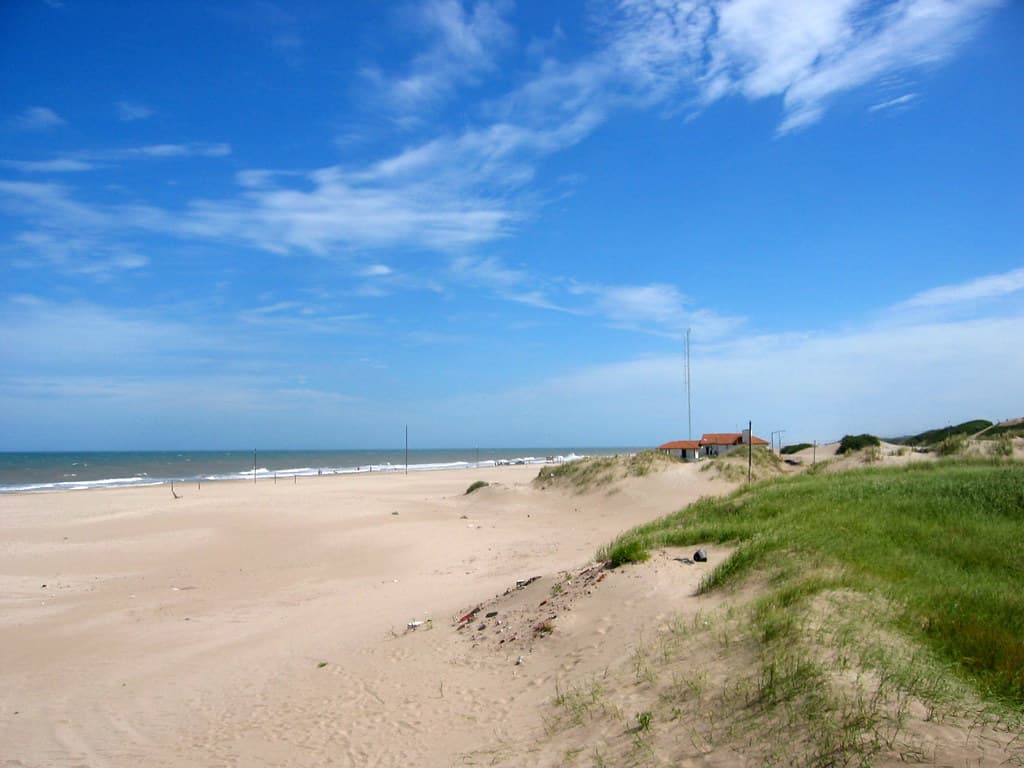
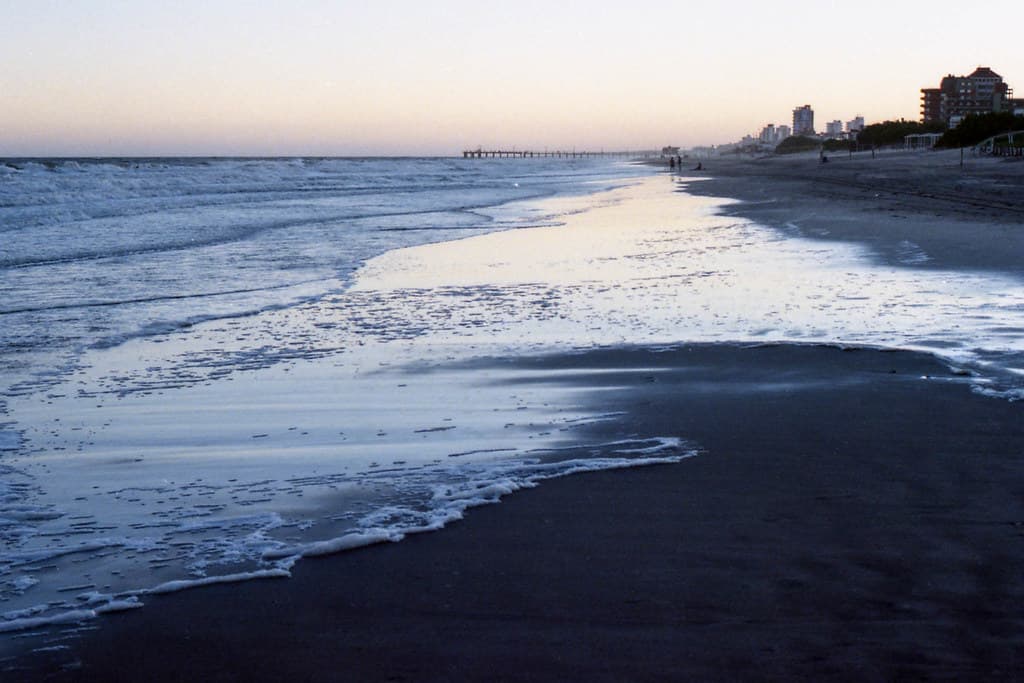
The sand here runs for kilometers in both directions, a broad ribbon of beige that darkens to copper where the Atlantic rushes in. During January and February, you'll share this stretch with thousands of Buenos Aires families who've been coming here since the 1940s, when architect Carlos Idaho Gesell planted the maritime pines that still anchor the dunes. The forest now stands as a green wall behind the beach, shading parillas and ice-cream kiosks, muting the roar of motorbikes on Avenida 3. By noon, the beach hums: kids bury each other in sand, vendors hawk churros and helado from Styrofoam coolers, and Radio Aspen blares from bluetooth speakers. You'll rent striped canvas windbreaks—carpas—that families arrange in tight villages, anchoring towels against the steady onshore breeze. The waves break gently most days, white foam unfurling over sandbars a hundred meters out, perfect for waist-deep splashing and boogie-boarding. When the sun drops behind the pines, the town pivots. Beachfront paradores morph into open-air clubs, bass lines vibrating the wooden decks. You'll walk past fire-twirlers and fernet-and-cola stands, the sand still warm beneath your flip-flops. This is Argentina's summer distilled: salt-crusted hair, sunburned noses, and the certainty that tomorrow you'll do it all over again.
Places, rentals, tours and events within walking and driving distance of Playa Villa Gesell.
Photos
Playa Villa Gesell is generally safe for swimming during the summer season when lifeguards are on duty at designated zones. The beach features gentle slopes and moderate Atlantic waves suitable for families. Lifeguard posts are clearly marked along the central areas. During peak season, stick to supervised zones and pay attention to flag warnings. The beach gets crowded in January and February, so keep an eye on children. Water temperatures are coolest but swimmable from December through March.
The peak season runs from mid-December through February when weather is warmest and the town is most vibrant, though very crowded. For better weather with fewer crowds, visit in early December or March when temperatures remain pleasant for beach activities. November and April offer the quietest experience but cooler conditions. Summer months bring a lively party atmosphere with nightlife and events, while shoulder seasons suit those seeking relaxation. Avoid winter months (June-August) when most services close and weather is too cold for beach activities.
Villa Gesell is approximately 360 kilometers from Buenos Aires, reachable by several methods. Long-distance buses depart frequently from Retiro bus terminal, taking 5-6 hours with companies like Monticel or Via Bariloche. During summer, additional services run directly to the beach. Driving via Route 2 and then Route 11 takes about 4-5 hours depending on traffic. Some visitors fly to Mar del Plata airport (80 km south) and transfer by bus or rental car. Once in town, the beach is easily accessible on foot or bicycle from most accommodations.
Villa Gesell offers extensive lodging from beachfront hotels to rental apartments and hostels, concentrated along Avenida 3 and near the beach. Book well in advance for January and February. The town features diverse dining including beachfront paradores serving fresh seafood, parrillas for Argentine barbecue, and casual cafés. Avenida Buenos Aires is the main commercial street with restaurants and shops. Beach clubs offer food and drink service directly on the sand. Budget travelers find affordable options a few blocks inland, while beachfront properties command premium prices during high season.
Villa Gesell maintains a classic, nostalgic Argentine summer resort identity dating to the mid-20th century when it was founded by visionary Carlos Gesell. Unlike upscale neighbors, it offers a more democratic, lively atmosphere popular with young people and families seeking traditional beach culture. The town's famous pine forests were hand-planted and create unique shaded streets leading to wide sandy beaches. The nightlife and party scene distinguishes it from quieter coastal villages. Its blend of accessibility, energetic vibe, and authentic Argentine summer traditions makes it a cultural beach destination rather than simply a luxury escape.