

The boat rounds a headland of dark basalt and suddenly the ocean changes character. Protected by rocky arms that absorb the Southern Atlantic's fury, Playa Caleta Malaspina spreads before you in improbable calm—a crescent of coarse sand and tidal pools where guanaco tracks sometimes descend from the steppe above. The water here holds a dozen shades of green and blue, stratified by depth and the kelp beds that sway beneath the surface like drowned forests.
“One of the only genuinely calm-water beaches along hundreds of kilometers of wind-blasted Patagonian coast.”
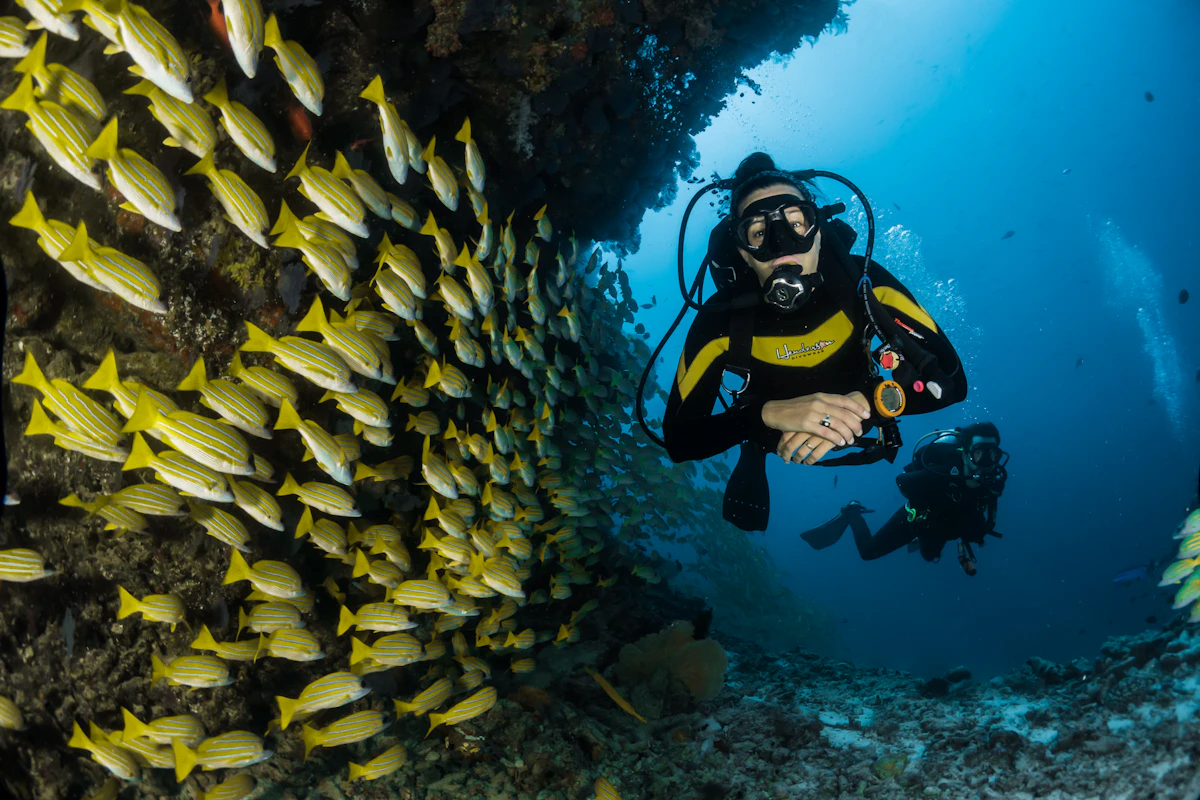 Credit: Unsplash
Palm trees framing a sunset shore
You step onto the beach and the silence feels physical. Cormorants dry their wings on offshore rocks. The sand is mixed with shell fragments worn smooth as river stones, and the tideline is littered with bull kelp holdfasts the size of your fist. This is part of the broader Malaspina coastal system, but this particular caleta—this sheltered bite of shoreline—exists in its own microclimate, shielded from the relentless Patagonian wind that shapes everything else here.
Bahía Bustamana, the private coastal reserve that controls access, limits visitors deliberately. You will share this beach with perhaps a handful of others, maybe none at all. The surrounding cliffs hold Magellanic penguin burrows; during nesting season their braying echoes across the water. When you finally leave, the boat ride back feels like waking from a dream you half-remember.


