
Counting the waves…
Counting the waves…

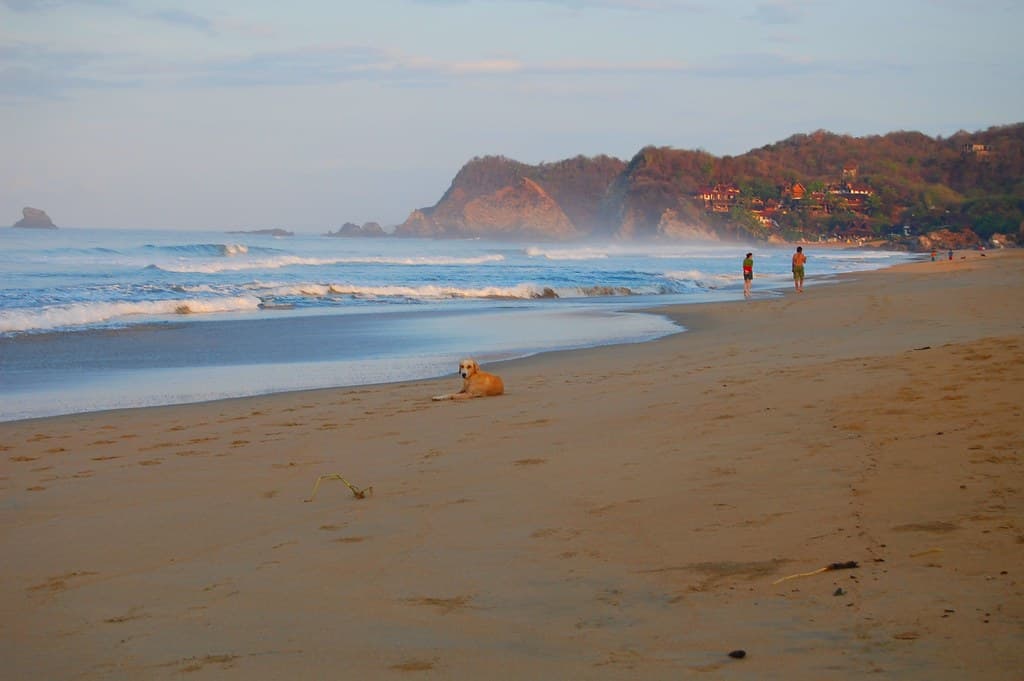
Camarones sits at the edge of the world, a fishing village of barely a thousand souls clinging to Chubut's arid coast. Playa Camarones unfurls from the harbor in a long, flat arc of coarse sand the color of wet cardboard, backed by pebble terraces and low scrub. The Atlantic here is green-gray, often choppy, and the wind—the relentless Patagonian wind—presses against your jacket even on sunny afternoons. Families spread blankets near the ramp where fishermen unload their catch, children digging trenches while parents brew mate from thermoses. This is not a beach for lingering swims; the water hovers around 15°C in summer, numbing your calves within minutes. Instead, you walk. The strand extends north toward Cabo Dos Bahías, dissolving into a haze where land and sea blur. Gulls and terns patrol the wrack line, and if you time it right during low tide, tidal pools reveal purple starfish and clinging limpets. The village itself—a grid of low houses, a single gas station, a handful of restaurants serving langostino—feels provisional, as if the wind might one day erase it entirely. Yet therein lies its pull. Playa Camarones offers no umbrellas, no beach clubs, no crowds. Just you, the immense sky, and the knowledge that this coast has looked exactly this way for centuries—raw, unvarnished, and utterly indifferent to your presence.
Places, rentals, tours and events within walking and driving distance of Playa Camarones.
Photos
Swimming at Playa Camarones is possible during warmer months, though water temperatures remain cool year-round due to the Patagonian Atlantic location. The beach offers sandy entry and generally moderate conditions, though winds and currents can vary. Lifeguard availability may be seasonal or limited, so exercise caution and supervise children closely. Most visitors prefer beach walks, sunbathing, and paddling rather than extended swimming. Always check local conditions before entering the water, and be aware that even in summer, water temperatures are refreshing rather than warm.
The best weather at Playa Camarones occurs from December through February during the Southern Hemisphere summer, when temperatures are warmest and daylight hours longest. November and March offer pleasant shoulder-season conditions with fewer visitors while maintaining good weather. The beach is accessible year-round, but winter months (June-August) bring cold temperatures and strong winds. Patagonian weather is notoriously unpredictable, so prepare for wind and temperature changes regardless of season. Budget travelers may find better accommodation rates during off-peak months.
Playa Camarones is accessed via Ruta 3 and Ruta 1 along Chubut's coast. From Comodoro Rivadavia, drive approximately 270 kilometers north; from Trelew, head south roughly 280 kilometers. Buses connect Camarones with major Patagonian cities including Comodoro Rivadavia and Trelew, though services may be infrequent. The town is small, and the beach is within walking distance of the center. Roads are generally good but can be affected by weather. A personal vehicle offers flexibility for exploring surrounding coastal areas and wildlife sites.
Camarones offers modest but adequate accommodation including small hotels, hostels, and guesthouses that cater to budget and mid-range travelers. The town features several restaurants and cafés serving traditional Patagonian cuisine, seafood, and Argentine staples like asado and empanadas. Provisions are available at local shops for self-catering. As the main coastal base for the region, Camarones has more services than surrounding areas but remains a small town with limited options compared to larger cities. Booking ahead during summer months is advisable.
Playa Camarones serves as the key coastal base for exploring Chubut's low-density northern coast, including nearby wildlife reserves like Cabo Dos Bahías. The town combines beach access with authentic Patagonian character and local fishing culture. Its sandy beach offers family-friendly conditions and scenic views, while the location provides convenient access to penguin colonies, coastal scenery, and nature experiences. The beach's vibes reflect genuine coastal Patagonian life rather than resort tourism, making it valuable for travelers seeking authentic experiences along Argentina's dramatic Atlantic coast.