Counting the waves…
Counting the waves…

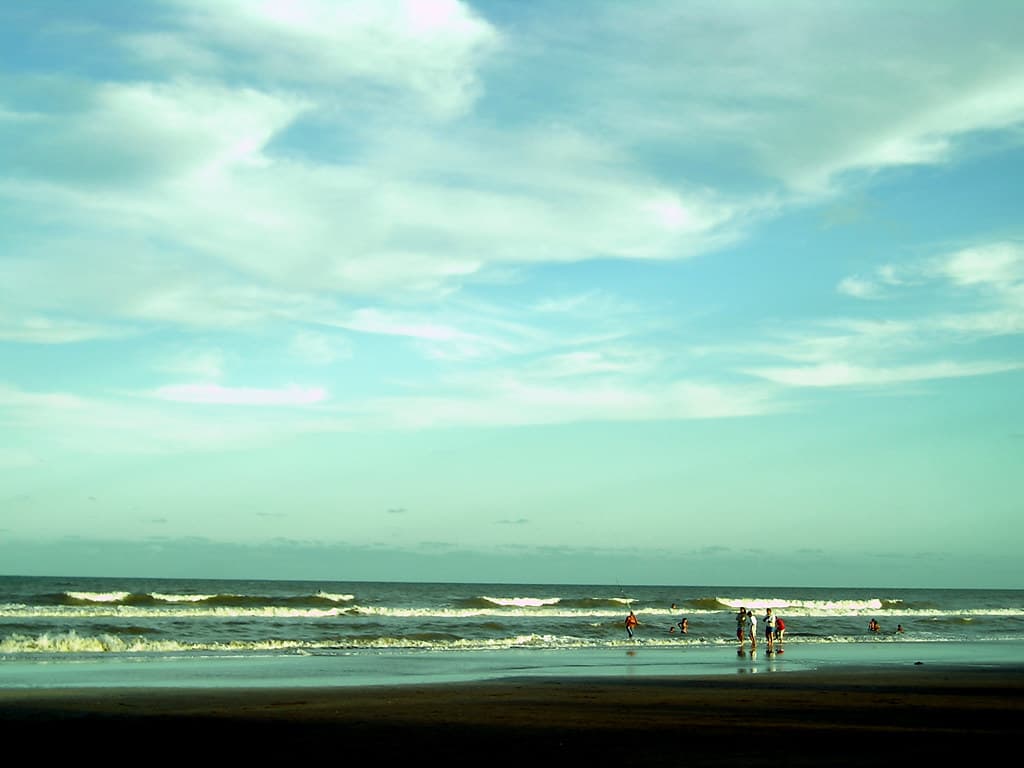
The beach takes its name from the dolphins—toninas—that occasionally surface beyond the breakers, dark fins cutting through the South Atlantic chop. You won't find palapas or jet-ski rentals here. What you will find: wide-open stretches of coarse sand studded with kelp, the constant Patagonian wind that keeps even midsummer from feeling oppressive, and families who've been claiming the same patch of shoreline for decades. The water runs cold year-round, fed by the Falklands Current, but that doesn't stop kids in neoprene booties from wading in while their parents set up windbreaks fashioned from beach towels and driftwood planks. The sand itself is firm enough to drive on in places, packed hard by tides that sweep in fast and retreat just as quickly. Bring your own everything—shade, snacks, drinking water—because the nearest kiosk is a fifteen-minute walk back toward town. Come in late afternoon when the angle of the sun turns the wet sand into hammered bronze and the wind finally eases. The families begin packing up their coolers, shaking sand from wool blankets, and you'll have the beach nearly to yourself. It's the kind of place that rewards those who don't mind a little effort for a lot of solitude, where the main attraction is simply having room to breathe.
Places, rentals, tours and events within walking and driving distance of Playa Las Toninas.
Photos
Playa Las Toninas is generally a calm, family-friendly sandy beach in the Playa Unión area. As with all Atlantic beaches in Patagonia, water temperatures are cool year-round and currents can vary. Always check local conditions before entering the water, supervise children closely, and swim during daylight hours. The beach's less-crowded nature means fewer lifeguards may be present compared to main resort areas, so exercise caution and stay aware of tide schedules and weather changes.
The best time to visit is during the Argentine summer (December to March) when temperatures are warmest, though this beach attracts fewer crowds year-round compared to neighboring resort beaches. Shoulder seasons like late spring (November) and early autumn (April) offer pleasant weather with even more solitude. Avoid the winter months (June-August) when Patagonian winds are strongest and temperatures drop significantly. Weekdays tend to be quieter than weekends when locals from Rawson visit.
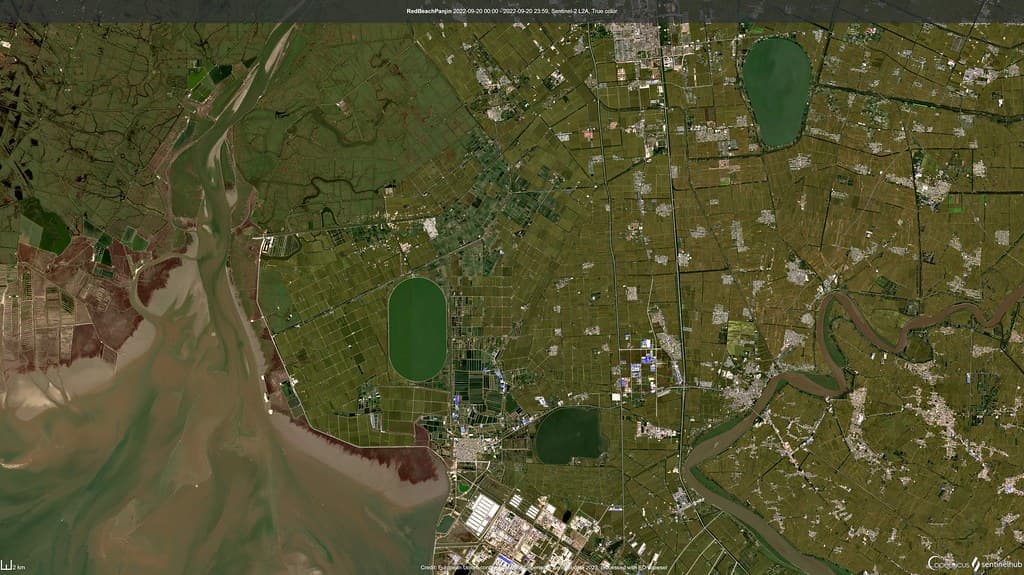
Playa Las Toninas is located in the Playa Unión area, approximately 20 kilometers east of Rawson. From Rawson, take Provincial Route 1 directly to Playa Unión; the beach is in the northern sector of the coastal settlement. From Trelew (about 30 kilometers away), drive through Rawson following signs to Playa Unión. Public buses run between Trelew-Rawson-Playa Unión, though a rental car provides easier access to this specific beach area. The roads are paved and well-maintained.
Being in the Playa Unión area, you'll find restaurants, cafés, and accommodations within the small resort town, though options are more limited than major Argentine beach destinations. Local seafood restaurants serve fresh catches, and family-run hostels and vacation rentals are available. For more extensive dining and lodging choices, Rawson (20 km) and Trelew (30 km) offer supermarkets, hotels, and diverse restaurants. Many visitors stay in these larger towns and make day trips to the beach.
Playa Las Toninas stands out as a quieter, more local alternative to Playa Unión's main beach. Its northern position means it's often overlooked by tourists who concentrate on the central resort area, giving it a hidden, authentic Patagonian beach atmosphere. The sandy shoreline is ideal for peaceful sunbathing and family outings without crowds. It offers the same Atlantic Ocean access and Patagonian coastal scenery as neighboring beaches but with a more tranquil, off-the-beaten-path experience favored by those seeking solitude.