Counting the waves…
Counting the waves…

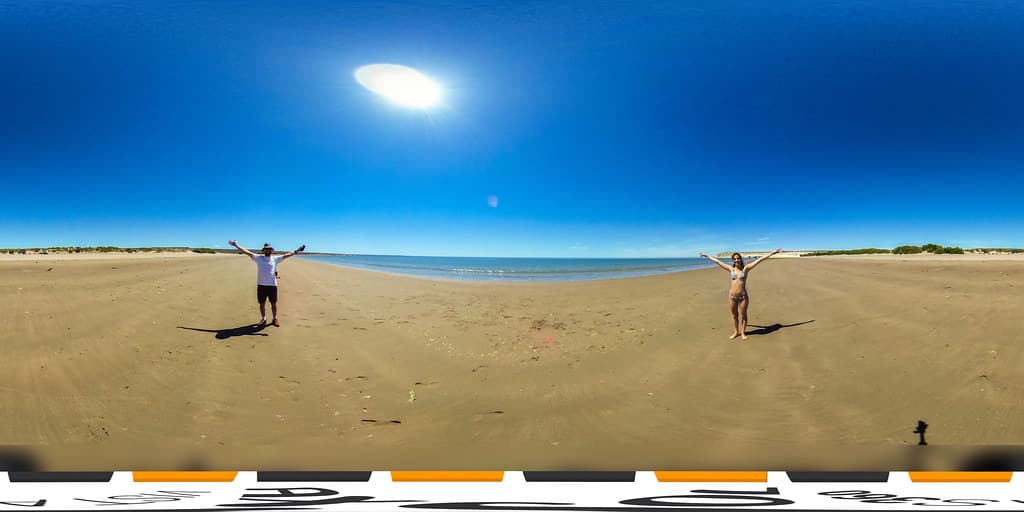
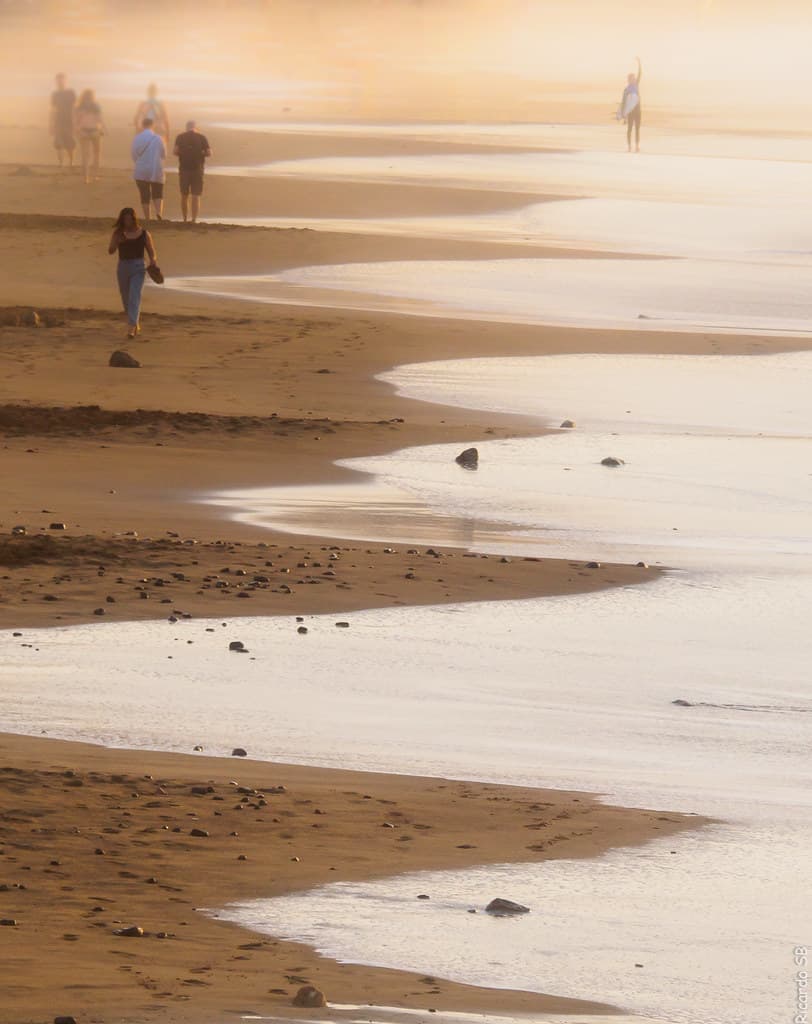
Playa Las Canteras curves along the northern edge of Puerto Madryn, a modest crescent where the Atlantic meets the wind-scoured beauty of Patagonia. The sand here is gritty underfoot, mixed with crushed shells and tiny pebbles that click when the waves pull back. Offshore, the real attraction unfolds: southern right whales arrive each winter to calve in the protected waters of Golfo Nuevo, and you can watch mothers and calves spy-hop, breach, and lob-tail from shore without spending a peso on a boat tour. The beach itself lacks the manicured polish of resort destinations. A paved coastal road runs parallel to the sand, popular with joggers and cyclists who pause at concrete lookout points to scan for whale blows. The water stays frigid year-round—locals joke that only tourists brave it—but that hardly matters when a forty-ton whale surfaces close enough that you can see barnacles stippling its skin. Gulls wheel overhead, their cries mixing with the constant Patagonian wind that flattens the dune grass and carries the briny smell of low tide. Come at dawn or late afternoon when the light slants gold across the water and the few whale-watchers spread out along the sand give you space to claim your own patch of shoreline. Bring binoculars, a windbreaker, and patience. The whales set the schedule here, not you.
Places, rentals, tours and events within walking and driving distance of Playa Las Canteras.
Photos
Yes, Playa Las Canteras is famous as one of the best shore-based whale watching locations near Puerto Madryn. During the whale season (June through December, with peak months from September to November), southern right whales visit Golfo Nuevo to breed and raise their calves. You can often see whales breaching, tail-slapping, and nursing close to shore, sometimes just meters from the beach. Bring binoculars for better viewing, though they're often visible with the naked eye. The elevated vantage points around the beach offer particularly good observation spots.
For whale watching, visit between September and November when southern right whales are most active and numerous in Golfo Nuevo. During these months, you'll have the best chance of seeing whales from shore. For a less crowded experience overall, weekdays are preferable to weekends. While weather is cooler during whale season compared to summer, the spectacular wildlife viewing compensates for lower temperatures. Summer months (December-March) offer better weather for beach activities but fewer whale sightings. The beach offers something special year-round, depending on your priorities.
Playa Las Canteras is located a few kilometers south of Puerto Madryn's city center along the coastal road. You can drive there in about 10-15 minutes, with parking available near the beach. Taxis and remises (radio taxis) offer affordable transport from town. Some visitors rent bicycles and cycle along the scenic coastal path. During peak whale season, local tour operators sometimes include stops here. The beach is somewhat more secluded than the central urban beaches, giving it a more hidden, peaceful character despite being relatively close to town.
Playa Las Canteras has limited on-site facilities compared to Puerto Madryn's urban beaches, reflecting its more natural, secluded character. Basic amenities may be available during peak season, but it's wise to bring water, snacks, and any supplies you'll need. A few small restaurants or food stands may operate nearby, particularly during whale season when visitors increase. For full dining and shopping options, Puerto Madryn's city center is just a short drive away. The limited development is part of the beach's appeal, offering a more scenic, Instagram-worthy natural setting.
Playa Las Canteras stands out for combining beautiful coastal scenery with world-class shore-based whale watching opportunities. While other Puerto Madryn beaches are more urban and developed, Las Canteras maintains a more natural, scenic character that's highly photogenic. The dramatic views of Golfo Nuevo and the chance to see marine wildlife from the beach itself make it unique. It offers a different experience from the family-oriented urban beaches—more focused on nature observation and photography. The name references old stone quarries in the area, adding historical interest to its natural beauty.