Counting the waves…
Counting the waves…

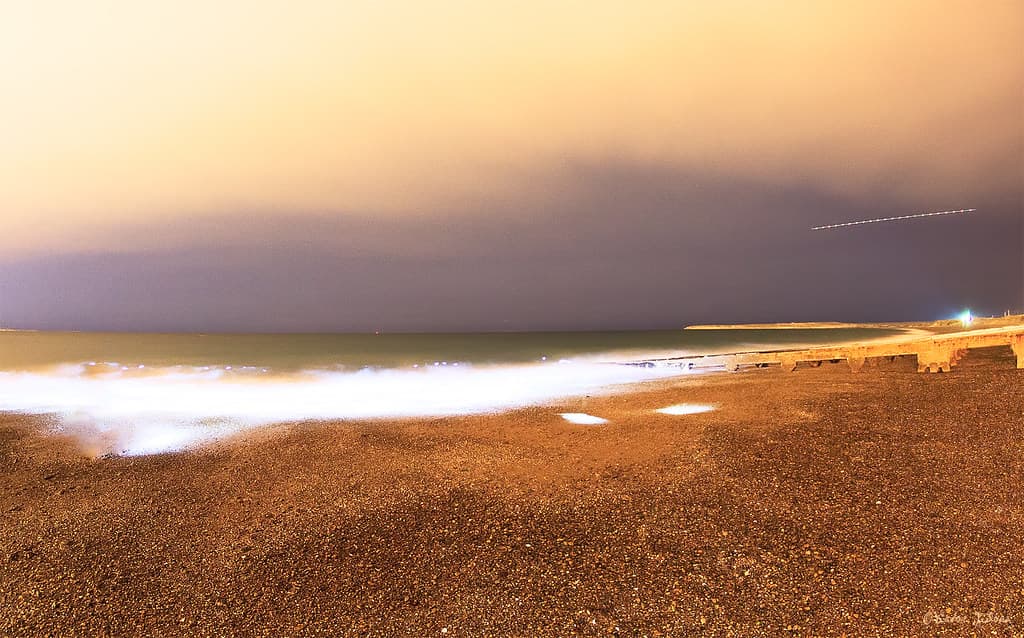
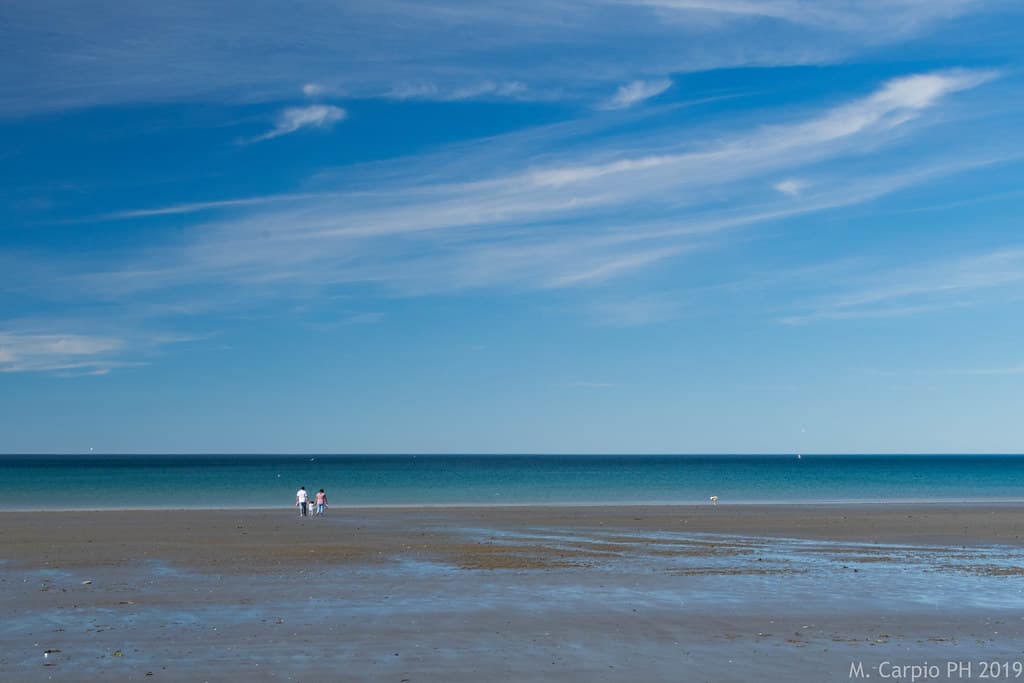
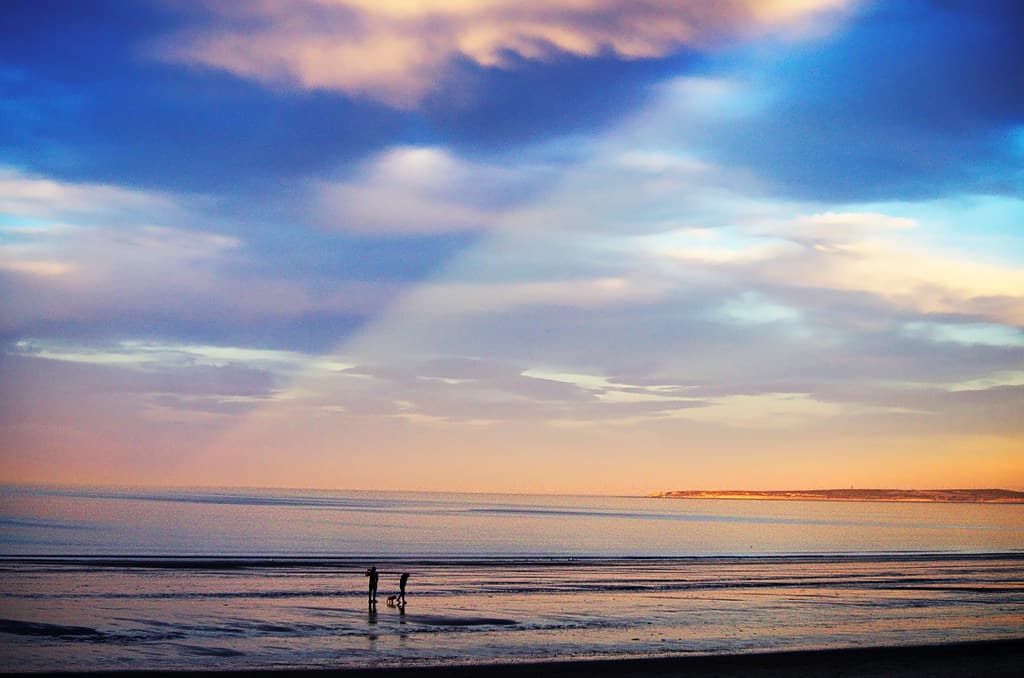
The beach unfolds in a gentle arc beneath striated sandstone bluffs that glow amber in afternoon light, their sedimentary layers reading like pages in a geology textbook. Wooden staircases descend from the clifftop promenade where interpretive plaques mark cave dwellings—actual hollows in the rock where Welsh immigrants weathered their first Patagonian winter. You can peer into these shallow refuges, imagining wool blankets and candle smoke, then walk twenty paces to join Argentine families building sandcastles in the same wind those pioneers endured. The sand itself runs coarse underfoot, studded with shell fragments and smoothed pebbles that clack in the surf. Golfo Nuevo's waters arrive in low, rhythmic swells—cold enough to make you gasp but swimmable in summer months when locals wade in knee-deep. Kelp tangles mark the tideline alongside driftwood bleached silver by relentless sun. The beach stretches wider than it looks from above, giving you room to claim a patch away from the main access points near the Monument to the Welsh Settler. Urban Puerto Madryn presses close—you'll hear traffic from Avenida Julio Verne overhead and see apartment balconies perched along the cliff edge—but the historical weight of the place, the physical evidence of survival carved into stone, lends gravitas to what might otherwise be just another city beach.
Places, rentals, tours and events within walking and driving distance of Playa Punta Cuevas.
Photos
Playa Punta Cuevas is generally safe for families, though swimming conditions depend on weather and tides. The beach is urban and accessible, making supervision easier. Waters can be cool year-round due to Patagonian currents. Waves are typically moderate but can increase with wind. The sandy bottom is suitable for children, though always supervise young swimmers. Facilities are nearby given its urban location. Check local conditions before entering the water, and be aware that Patagonian beaches often have strong winds and cooler temperatures than more northern Argentine beaches.
Playa Punta Cuevas can be visited year-round, with each season offering different experiences. Summer months (December-February) provide the warmest weather for beach activities, though it can still be windy. Spring and fall offer milder conditions with fewer crowds. Winter visits are suitable for scenic walks rather than swimming. The beach's urban location means it's accessible anytime, making it convenient for brief visits regardless of season. For photography and sightseeing, early morning or late afternoon light is ideal. Wind is common throughout the year, so bring layers.
Playa Punta Cuevas is easily accessible from Puerto Madryn's city center, located just south of the main urban area. You can reach it by walking along the coastal road, driving, or taking local transportation. The distance is short enough for a pleasant coastal walk from downtown. Parking is typically available near the beach. As this is part of the historic settlement area, signage generally marks the way. The urban setting means taxi or ride-share services can easily access the beach. The coastal road offers scenic views during the journey.
Being close to Puerto Madryn's urban center, Playa Punta Cuevas offers excellent access to restaurants, cafes, and accommodations. The city center has diverse dining options ranging from seafood restaurants to casual cafes serving Argentine favorites. Lodging includes hotels, hostels, and vacation rentals within walking or short driving distance. Many waterfront establishments offer ocean views. For beachside refreshments, you may need to walk to nearby commercial areas. Puerto Madryn's tourist infrastructure is well-developed, ensuring visitors have ample choices for meals and accommodation at various price points throughout the city.
Playa Punta Cuevas holds special significance as the site tied to Puerto Madryn's early Welsh settlement in 1865. This beach area witnessed the arrival of the first Welsh colonists to Patagonia, marking an important chapter in Argentine immigration history. The surrounding area preserves this heritage, making it more than just a recreational beach. Visitors interested in regional history often explore this coastal zone to connect with Puerto Madryn's founding story. The combination of natural beauty and historical importance makes it a meaningful destination for those seeking to understand the city's origins and cultural roots.