Counting the waves…
Counting the waves…
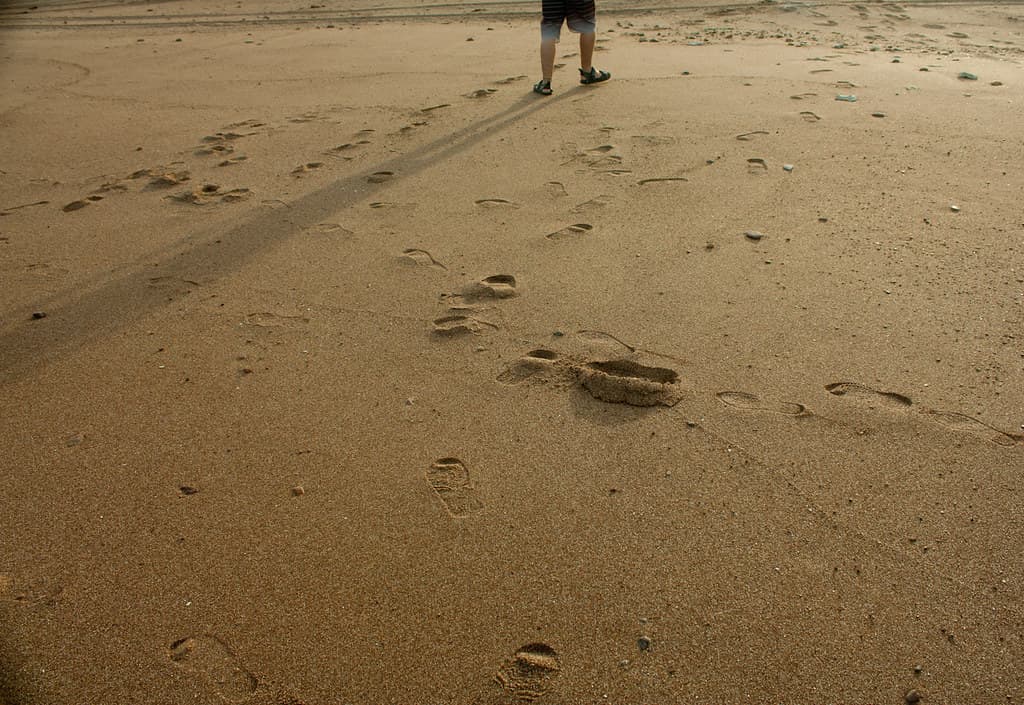
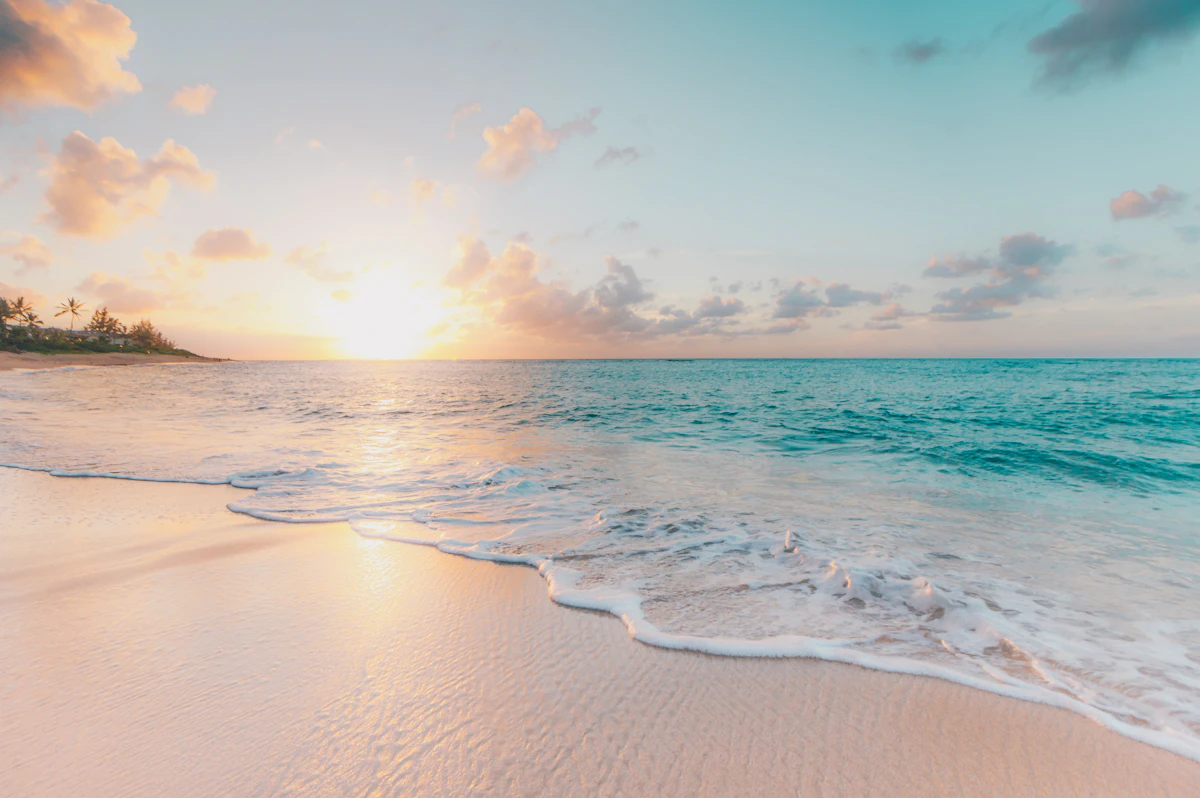
Playa Médanos Dorados sits at the quieter end of Argentina's Río Negro coast, where the Atlantic wind has piled sand into tawny ridges that glow amber in late-afternoon light. The dunes rise steeply behind the shore, their crests rippled like corduroy, anchored by tufts of coastal grasses that hiss in the near-constant breeze. You won't find kiosks or lifeguard towers here—just an uninterrupted ribbon of honey-colored sand that stretches toward distant headlands. The water runs cold year-round, even in January, and the surf breaks with a thudding regularity that draws a handful of wetsuited locals but rarely crowds. At low tide, tide pools dimple the foreshore, filled with violet mussels and small crabs scuttling beneath strands of bull kelp. Footprints vanish within an hour, erased by wind or the next incoming set. Playas Doradas remains a fishing village at heart, so expect quiet mornings when the only movement is a pickup truck parked near the dunes and a single rod angled toward the horizon. The town itself offers a smattering of cabañas and one modest seafood restaurant where the day's catch—often sea bass or hake—arrives still cold from the Atlantic. This is Patagonia's coast stripped to its essentials: wind, dune, wave, and the kind of solitude that makes you check your phone just to confirm you still have one.
Places, rentals, tours and events within walking and driving distance of Playa Médanos Dorados.
Photos
Swimming conditions at Playa Médanos Dorados vary with tides and wind. The beach is relatively exposed to Atlantic currents, so check local conditions before entering the water. Strong winds are common along this coast, which can create choppy conditions. There are limited lifeguard services at this remote beach, so swim with caution and stay close to shore. The sandy bottom is generally safe, but always supervise children closely and avoid swimming during rough weather or high wind conditions.
The best time to visit is during Argentina's summer months (December to February) when temperatures are warmest, though this beach remains relatively uncrowded year-round. For photographers seeking golden-hour shots of the dunes, spring (October-November) and autumn (March-April) offer pleasant weather with fewer visitors. Winter months can be quite cold and windy. Visit during weekdays to experience maximum solitude, as even in peak season this hidden beach sees minimal crowds compared to more popular Argentine coastal destinations.
Playa Médanos Dorados is located within the Playas Doradas area, approximately 100 kilometers south of Sierra Grande along Río Negro's Atlantic coast. Access requires a private vehicle as public transportation is very limited. From Sierra Grande, follow coastal roads southward; roads may be unpaved or gravel in sections. The journey takes about 90 minutes from Sierra Grande. GPS coordinates are helpful as signage is sparse. Ensure your vehicle has adequate fuel and supplies, as services are minimal along this remote coastal stretch.
Accommodation and dining options are extremely limited directly at Playa Médanos Dorados due to its remote location. The small community of Playas Doradas may have basic rentals or cabins, particularly during summer months. Most visitors base themselves in Sierra Grande, which offers modest hotels, hostels, and restaurants. Bring your own food, water, and supplies for beach visits. The nearest full services including supermarkets and gas stations are in Sierra Grande. Consider packing a cooler and picnic supplies for day trips to this isolated beach.
The golden sand dunes backing Playa Médanos Dorados create a distinctive landscape that gives Playas Doradas its name. These wind-sculpted formations change shape with coastal winds and provide dramatic backdrops for photography, especially during sunrise and sunset when the light enhances their golden color. The dunes create natural windbreaks and offer elevated viewpoints over the Atlantic Ocean. This relatively untouched dune system supports specialized coastal vegetation and provides habitat for regional bird species. The combination of pristine dunes and beach makes this an Instagram-worthy destination for nature photographers.