

Counting the waves…
Counting the waves…
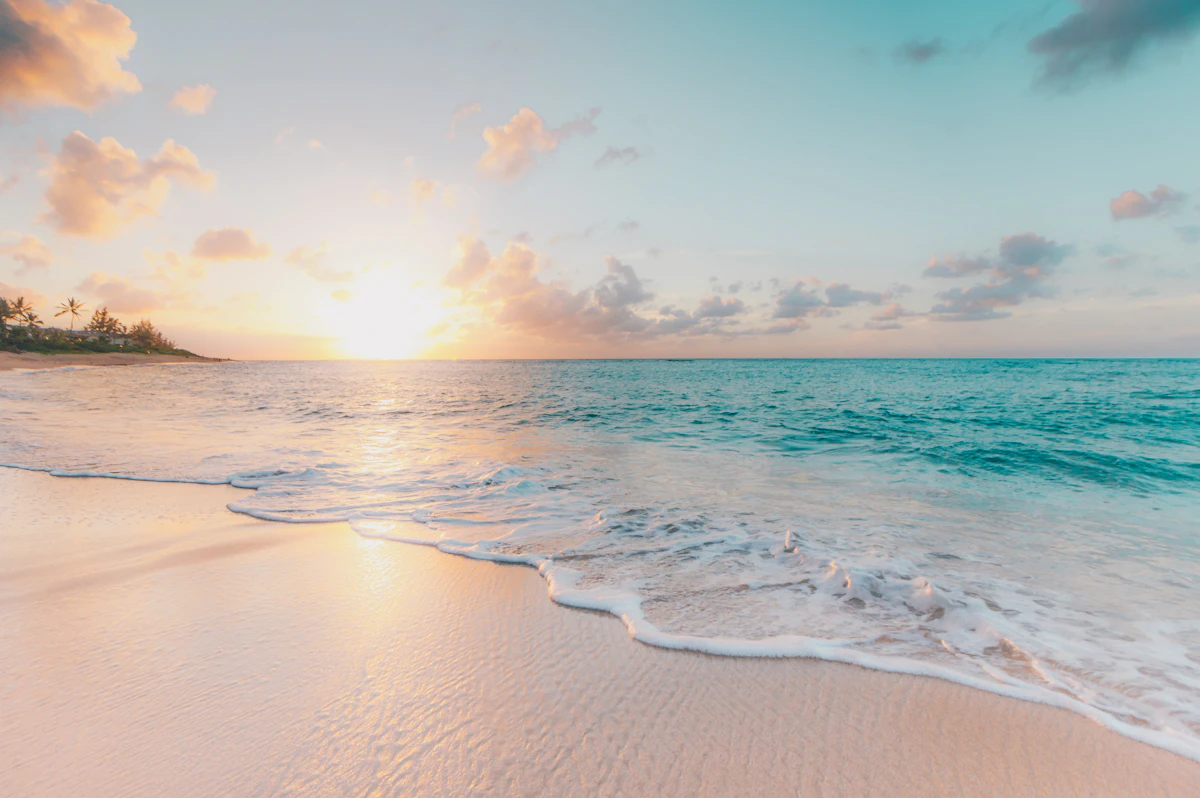
The pebbles here carry traces of the Gallegos River's journey from the Andes—quartzite, granite, volcanic glass in rust and charcoal tones, sorted by a thousand miles of water into palm-sized ovals. You crouch to examine them, noticing how each stone fits perfectly in your hand, worn to ergonomic smoothness. Behind you, Punta Loyola's modest fishing shacks huddle against the wind, their corrugated metal roofs held down with truck tires and ship chain. Ahead, the coastline curves southeast toward Cabo Vírgenes, fifty kilometers of empty shore where only penguins and guanacos leave tracks. The Gallegos estuary meets the Atlantic here in a wide apron of tidal flats, exposed at low water to reveal beds of purple mussels and kelp holdfasts thick as mooring rope. Dolphin gulls work the retreating tide, their bloodred beaks flashing as they pry open shellfish. The wind—always the wind—carries the estuary's brackish smell, a mix of river silt and Southern Ocean salt, with occasional notes of the kelp processing plant upriver. This is Patagonia's working coast, not its postcard version. Fishing nets dry on driftwood racks. A defunct pier extends into the channel, its pilings gnawed by winter ice. But the light is extraordinary—that scrubbed, intensely clear Patagonian luminosity that makes distant mountains appear close enough to touch. You'll return to Río Gallegos before dark, but something about this threshold beach stays with you, the last familiar place before the map goes blank.
Places, rentals, tours and events within walking and driving distance of Playa Punta Loyola Extremo Sur.
Photos
Swimming is not recommended at this beach due to extremely cold water temperatures, strong coastal currents, and exposure to harsh Patagonian conditions. Water temperatures typically stay below 10°C (50°F) throughout the year. The pebble beach and unpredictable waves create additional safety concerns. Emergency services are far from this remote location. The beach is best enjoyed for walking, photography, and experiencing the wild coastal landscape. Always be mindful of changing tides and weather conditions, which can shift rapidly. Focus on observation rather than water-based activities at this location.
The beach can be visited year-round, with summer months (December-February) providing the most agreeable weather and longest days for exploration. Temperatures during summer average 10-15°C (50-59°F), though wind chill can make it feel colder. Spring and autumn offer beautiful light for sunset photography and fewer visitors. Winter brings harsh conditions with freezing temperatures and powerful winds. Sunset visits can be particularly rewarding given the beach's western orientation, though always check weather forecasts first. The remote location ensures low visitor numbers regardless of season.
The beach is positioned along the route from Río Gallegos toward Cabo Vírgenes, accessed via Route 1 heading south. It's located before reaching the main Cabo Vírgenes area, marking the northern end of this coastal region. A vehicle is essential, preferably with 4WD capability for unpaved sections. Distance from Río Gallegos is approximately 90-100 km, requiring about 90 minutes of driving. Specific beach access may involve short walks from roadside parking. No public transportation serves this area. Verify current road conditions in Río Gallegos before departure.
Río Gallegos, located north of the beach, provides the nearest comprehensive services with hotels, hostels, restaurants, and supermarkets. The beach area itself has no facilities, so bring all necessary provisions including food, water, and emergency supplies. Some travelers base in Río Gallegos and make day trips along the coastal route toward Cabo Vírgenes. There are minimal or no services between Río Gallegos and Cabo Vírgenes. Pack appropriately for remote travel including extra clothing, fuel, and communication devices. Plan to be self-sufficient during your beach visit.
The beach's western exposure and position along the approach to Cabo Vírgenes creates excellent sunset viewing opportunities over the Atlantic and toward the Strait of Magellan. The open horizon and dramatic Patagonian skies often produce spectacular color displays, especially during spring and autumn. The remote location ensures minimal light pollution and crowds, allowing peaceful sunset experiences. The transition landscape between Río Gallegos and the terminal coast provides varied foreground interest for photography. Wind-sculpted dunes and pebble beaches add textural elements to sunset compositions. Weather permitting, the combination of isolation and natural beauty creates memorable moments.