
Counting the waves…
Counting the waves…
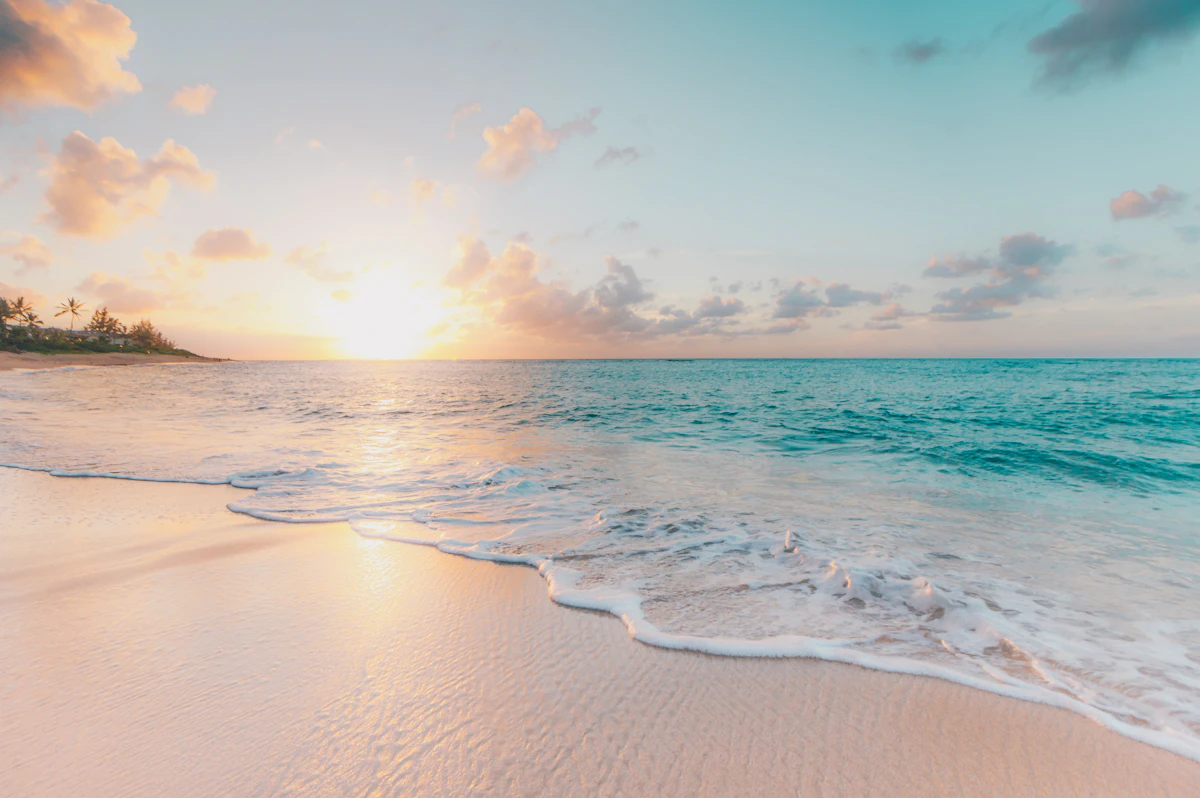
You follow the cañadón downstream, the ravine walls rising to thirty meters in places, their strata telling the story of ancient volcanic ash and marine sediments now exposed by erosion. Where the ravine finally exhales into the ría, the landscape opens onto a shallow bay ringed by low cliffs the color of burnt sienna. The beach itself is narrow and composite—sand near the creek mouth, transitioning to mud flats that extend into the ría during low water. The creek's contribution, minimal in summer but vigorous during spring melt, creates a brackish zone that supports vegetation rare elsewhere on this arid coast. Flamingos are the draw, arriving in flocks of a dozen to fifty birds between November and March. They work the shallows methodically, their heads inverted as they sieve microorganisms from the mud, their improbable pink against the Patagonian monochrome. Black-necked swans also favor this inlet, along with coots and the occasional migrating sandpiper still wearing breeding plumage from its Arctic summer. The bay's protection from the prevailing westerlies creates genuinely calm water—a rarity on this coast—and on windless days the surface becomes a perfect mirror, doubling the flamingos and sky in reflection. Photographers arrive at dawn when the light is soft and the birds are most active, though afternoon works if you're patient and the wind cooperates. The drive in requires crossing the creek at a shallow ford; check depth before committing your vehicle.
Places, rentals, tours and events within walking and driving distance of Playa Cañadón Torcido.
Photos
This calm-water beach inside the Ría Deseado offers more sheltered conditions than ocean-facing shores, making it relatively safer for wading. However, the water remains cold (8-14°C) year-round, requiring wetsuits for extended immersion. The protected location reduces wave action and strong currents, though tides still affect water depth significantly. No lifeguards are present, and remoteness means emergency help is distant. The beach is better suited for gentle exploration and photography than serious swimming. Always check tide times and never swim alone in this isolated location.
The beach is accessible year-round with fewer crowds at any season. Summer (December-March) provides the warmest temperatures (15-25°C) and longest daylight for exploration. The calm waters are most appealing during settled weather periods with reduced wind, typically early morning or evening. Wildlife activity peaks October through April when marine birds nest and feed in the ría. Sunset viewing is exceptional due to the western orientation. Winter visits offer solitude and dramatic moods but require proper cold-weather gear. The remote nature ensures uncrowded conditions regardless of season.
Located deeper inside the Ría Deseado, this beach requires private vehicle access from Puerto Deseado, approximately 20-30 minutes depending on road conditions. Follow the ría's inland routes; local guidance or GPS is essential as signage is limited. Roads may be gravel or dirt, potentially rough after rain—4WD is advisable. No public transportation reaches this remote area. Arrange taxi return pickup in advance if not driving yourself. Inform others of your plans, carry extra fuel, and prepare for basic road conditions typical of rural Patagonia.
The beach is completely undeveloped with no facilities whatsoever. All services—hotels, restaurants, shops—are in Puerto Deseado, roughly 20-30 kilometers away. The town provides various accommodation options from budget hostels to comfortable hotels. Restaurants serve regional specialties including fresh seafood and Patagonian lamb. You must bring all supplies to the beach: water, food, sun protection, first aid, and warm clothing. Pack out all trash. Puerto Deseado's supermarkets stock picnic essentials. Book accommodations early if visiting during peak wildlife tourism months (October-April).
This beach's position deeper inside the Ría Deseado creates a distinctly calm, sheltered environment unlike exposed ocean beaches. The protected waters and dramatic inland canyon landscape offer unique photographic opportunities and peaceful atmosphere. Its remote location ensures virtually no tourist traffic, providing authentic wilderness solitude. The calmer conditions make it more suitable for families with children than wave-exposed alternatives. The surrounding canyon terrain creates distinctive geological features and microclimates. Sunset views over the ría's protected waters are exceptional, with reflections impossible to capture at more exposed coastal locations in the area.