
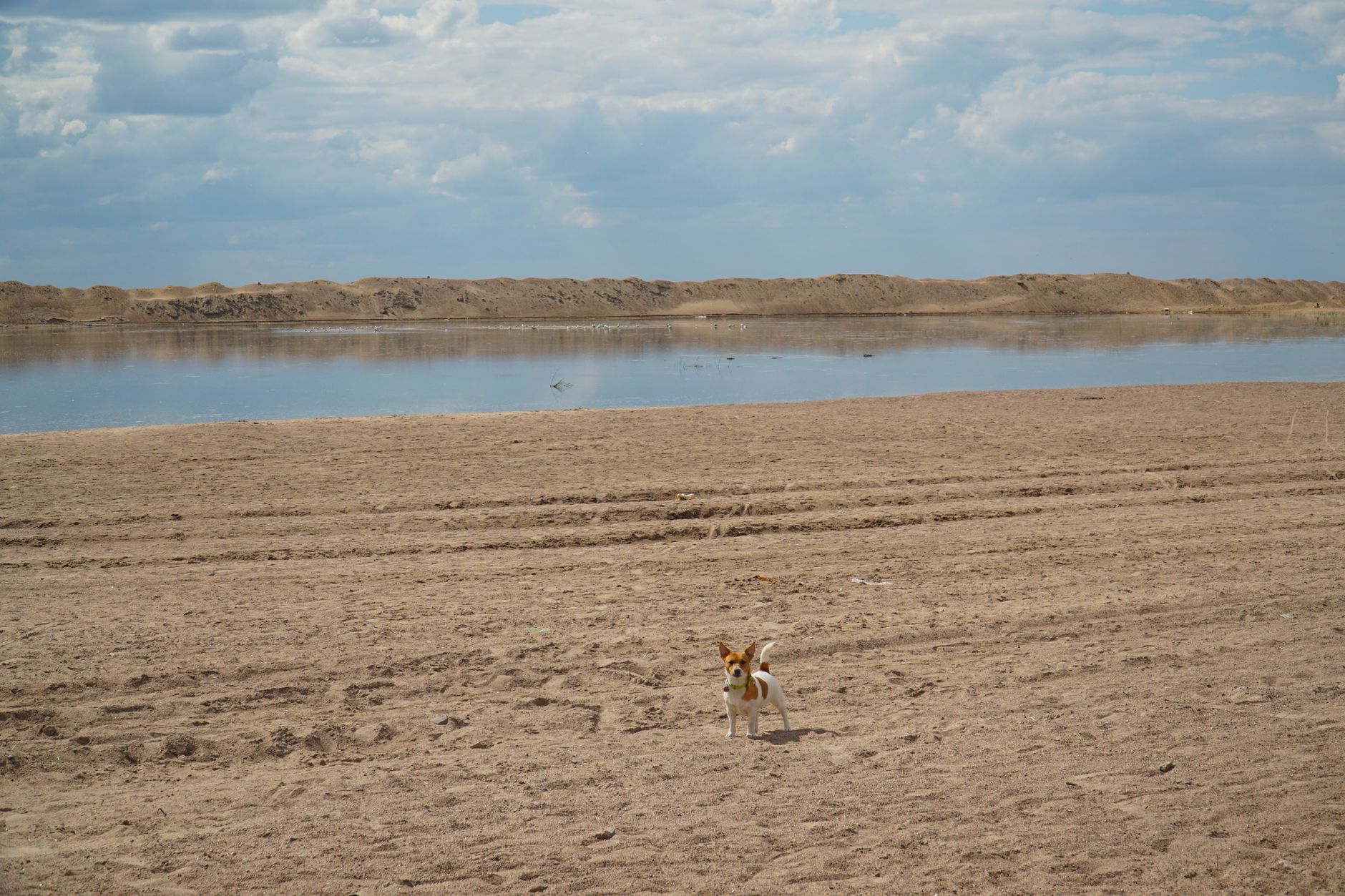
Counting the waves…
Counting the waves…

The approach reveals the beach gradually, the road descending through stratified cliffs that speak of ancient seabeds thrust upward by tectonic force. At the bottom, the cañadón opens onto pebbles darkened by mineral content, the stone clicking underfoot with a distinctive pitch different from beaches just kilometers away. Driftwood accumulates where canyon meets shore, creating natural sculptures that last until the next big storm redistributes them. Seabirds nest in the canyon walls during breeding season, their calls echoing off stone in a chorus that drowns out the waves. Tide pools form between larger rocks, miniature ecosystems where purple starfish cling beneath the surface and tiny crabs dart for cover when your shadow falls across them. The water here runs particularly cold, fed by underground springs that emerge through the canyon floor. Few travelers make it this far—Monte León's main attractions lie further south, and Puerto Santa Cruz itself draws limited tourism. Those who arrive often have the beach entirely to themselves, a private audience with Patagonia's elemental forces. The isolation feels earned rather than accidental, a reward for navigating the rough access road and choosing this particular bend in a coastline that offers hundreds.
Places, rentals, tours and events within walking and driving distance of Playa Cañadón Jack.
Photos
Swimming at Playa Cañadón Jack is not advisable due to extremely cold South Atlantic waters, strong currents, and complete absence of safety services. This remote beach within Monte León National Park area experiences powerful tidal movements and unpredictable surf conditions typical of southern Patagonian coastlines. The pebble beach and lack of infrastructure make water access difficult. There are no lifeguards, rescue services, or medical facilities nearby. Visitors should enjoy this beach for coastal exploration, photography, and nature observation while maintaining safe distance from the water, especially during changing tides.
The optimal visiting period for Playa Cañadón Jack is during Patagonian spring and summer (October through March), when weather conditions are most favorable and daylight hours extend well into evening. December through February offers relatively warmer temperatures, though layers are always necessary in this windswept region. The beach's remote location means it never experiences crowds, making any season suitable for solitude-seeking travelers. Wildlife observation opportunities may vary seasonally. Winter visits are possible but require preparation for harsh weather, strong winds, and limited daylight. Always check weather forecasts before traveling to this isolated area.
Accessing Playa Cañadón Jack requires careful planning as it's located in a remote northern sector near Monte León National Park. The beach is reached via secondary roads from Route 3, the main Patagonian coastal highway. A high-clearance vehicle or 4WD is highly recommended, as access roads may be unpaved and challenging. The nearest reference point is Puerto Santa Cruz, but specific directions should be obtained from park rangers or local contacts. GPS coordinates are helpful in this isolated area. Always inform someone of your travel plans, carry extra fuel, and bring emergency supplies when visiting such remote locations.
Playa Cañadón Jack is in an extremely remote area with virtually no commercial facilities nearby. Visitors must be completely self-sufficient, bringing all necessary food, water, and camping equipment if planning extended stays. The nearest accommodations are in Puerto Santa Cruz or Comandante Luis Piedra Buena, both offering basic hotels and restaurants. Monte León National Park may have limited camping facilities, but these are basic and should be confirmed in advance. This beach is best visited as a day trip from established accommodations, with travelers carrying adequate supplies for the journey and potential emergencies.
Playa Cañadón Jack offers exceptional isolation and pristine Patagonian coastal wilderness near the canyon-influenced landscape of Monte León National Park. The beach's name references nearby canyons (cañadones), creating distinctive geological features where dramatic land formations meet the sea. This area showcases the raw power of southern Patagonian nature, with impressive rock formations, potential wildlife sightings, and landscape shaped by wind and water over millennia. The complete absence of development and extreme remoteness appeals to adventurous travelers and nature photographers seeking untouched coastal environments and genuine wilderness experiences far from conventional tourist routes.