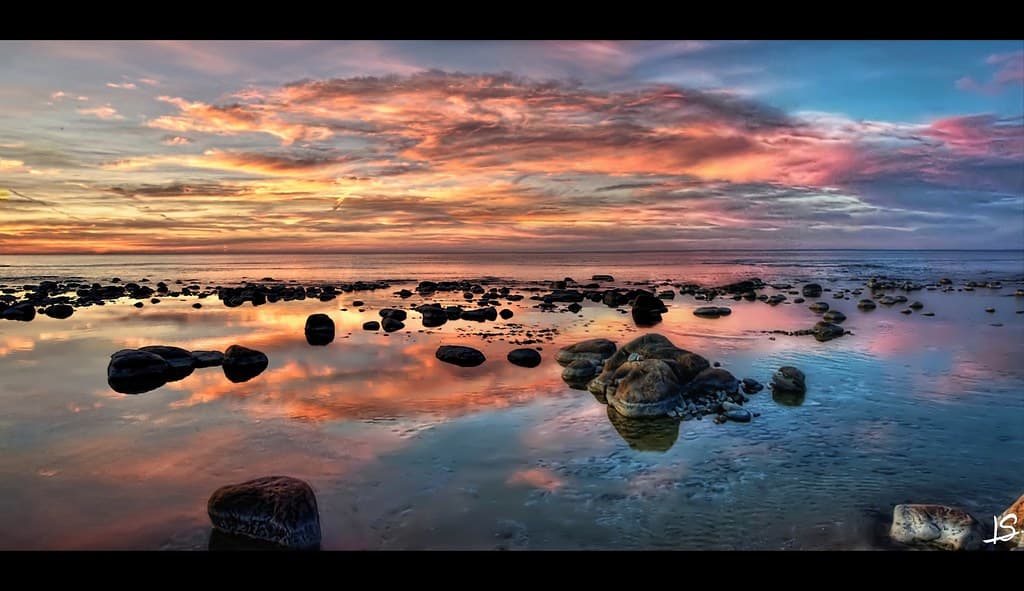
Counting the waves…
Counting the waves…

Murrays Beach lies tucked into the northern arm of Jervis Bay, protected by headlands that keep the surf at bay and the sandflies mercifully absent. You'll park among the scribbly gums and walk twenty paces to a strand so pale it glows even under cloud cover. The sand squeaks underfoot—a hallmark of the silica content that makes Jervis Bay beaches contenders for the whitest in the world. The shallows extend far enough that you can walk out fifty metres and still stand chest-deep, the seabed visible through water that shifts from mint to slate depending on the sky. Families claim spots beneath the she-oaks that fringe the beach, their needles carpeting the sand in rust-coloured drifts. By midday the carpark fills with Canberra day-trippers hauling eskies and inflatable rafts, but the beach never feels crowded—there's always another stretch of sand, another pocket of shade. Stay past four and you'll watch the light turn the bay molten, the headlands bruising to purple while kookaburras start their evening racket in the paperbarks. Bring your own provisions; the nearest shop sits a ten-minute drive back in Huskisson, and the only facilities here are drop toilets and a cold-water tap that runs fast enough to rinse salt from small, sandy feet.
Places, rentals, tours and events within walking and driving distance of Murrays Beach.
Photos
Murrays Beach is generally safe for swimming and well-suited for families with children. The beach is sheltered within Jervis Bay, which means calmer waters compared to open ocean beaches. However, it's unpatrolled, so you'll need to assess conditions yourself. The water is typically clear with gentle waves, making it ideal for confident swimmers and paddling. Always check weather forecasts before visiting, avoid swimming alone, and be mindful of currents. The sheltered location provides natural protection, but standard beach safety practices should always be followed.
Murrays Beach can be enjoyed year-round, though each season offers different experiences. Summer (December-February) brings warm weather perfect for swimming, but attracts larger crowds. Autumn and spring offer pleasant temperatures with fewer visitors, ideal for peaceful beach walks and picnics. Winter remains mild in Jervis Bay, with average temperatures around 17-19°C, suitable for scenic strolls though swimming may be chilly. The bay's sheltered position means generally calm conditions throughout the year. Weekdays are typically quieter than weekends regardless of season.
Murrays Beach is located within Booderee National Park in Jervis Bay Territory. To access it, you'll need to enter through the park gates and pay the park entry fee. From the park entrance, follow signs to Murrays Beach, which is accessible via sealed roads. There's a dedicated parking area at the beach with reasonable capacity, though it can fill during peak summer periods and holidays. The beach is approximately 200km south of Sydney, about a 2.5-3 hour drive. Public transport options are limited, so driving is the most practical option.
Murrays Beach has basic facilities including toilets and picnic tables with barbecue areas, making it excellent for day visits with packed meals. However, there are no cafes, kiosks, or food vendors directly at the beach. The nearest shops and restaurants are in Huskisson, approximately 10-15 minutes' drive away, where you'll find supermarkets, cafes, and dining options. It's advisable to bring your own food, drinks, and supplies. Accommodation options are available in nearby Huskisson and other Jervis Bay towns, ranging from camping to hotels and holiday rentals.
Yes, Murrays Beach is particularly famous for frequent kangaroo sightings on the beach and surrounding areas, especially during early morning and late afternoon. Being within Booderee National Park, the beach provides a unique Australian experience where eastern grey kangaroos often graze on the grassy areas near the sand and may even be spotted lounging on the beach itself. This makes it a fantastic location for wildlife photography and experiencing native Australian animals in their natural habitat. Remember to observe from a respectful distance and never feed the wildlife.