
Counting the waves…
Counting the waves…

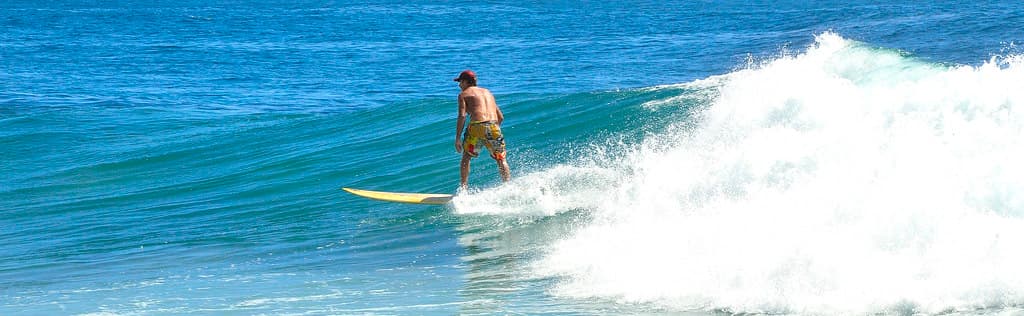
Spooky Beach earned its name not from ghost stories but from the eerie quiet that settles between sets, when mist rolls in off the Tasman and the only sound is water draining through volcanic rock. Tucked into the northern flank of Angourie Point, this south-facing strand catches swells that bypass the more famous breaks just around the headland. The walk in—ten minutes through banksia and tea-tree from the gravel car park—filters out the crowds, leaving the line-up to committed locals and traveling surfers who've done their homework. The beach itself curves gently, framed by charcoal-grey boulders that jut from the sand like ancient vertebrae. At low tide, rock pools collect in the platforms, hosting anemones and crabs. The left-hand point break peels along the northern rocks, offering long rides when the swell aligns from the southeast. Between sessions, you'll find a natural amphitheater of stone where you can towel off and watch the next set march in, backlit by afternoon sun slanting through the headland's Norfolk pines. Angourie's surf heritage runs deep—this pocket of coast has shaped decades of Australian wave-riding culture—and Spooky remains a keeper of that tradition. No kiosks, no flags, no lifeguard towers. Just you, the basalt, the banksia, and the rhythm of the Southern Ocean doing what it's done for millennia.
Places, rentals, tours and events within walking and driving distance of Spooky Beach.
Photos
Spooky Beach is primarily a surf spot with strong currents and reef breaks, making it challenging for casual swimmers. The beach is unpatrolled, so there are no lifeguards on duty. Experienced surfers frequent this location, but swimmers should exercise caution due to unpredictable conditions, rocky areas, and powerful waves. If you're not confident in the surf, stick to the calmer sections near the rocks or consider nearby patrolled beaches. Always check conditions before entering the water and never swim alone.
Spooky Beach can be visited year-round, with each season offering different conditions. Autumn and winter (March-August) typically bring larger swells, ideal for experienced surfers. Spring and summer (September-February) offer warmer weather and smaller waves, better for beginners and beachgoers. Early mornings generally provide the cleanest conditions with offshore winds. The beach faces southeast, so it picks up swell consistently throughout the year. For optimal surf, check the forecast and aim for periods with moderate swell and light winds.
Spooky Beach is located just south of Angourie village, approximately 15 minutes' drive from Yamba. From Angourie, take Diggers Camp Road toward the coast. There's a small parking area near the headland with limited spaces, so arriving early is recommended, especially on weekends and holidays. A short walking track leads down to the beach from the car park. The area is well-signposted, and access is straightforward. Be mindful of parking restrictions and avoid blocking residential driveways in the surrounding area.
Spooky Beach itself has no facilities, so come prepared with food, water, and supplies. The nearby village of Angourie, just a few minutes' drive away, offers limited services including a general store and casual cafes. For more extensive dining, shopping, and accommodation options, head to Yamba (5km away), which has supermarkets, restaurants, hotels, and holiday rentals. Several surf camps and beachside accommodations are available in both Angourie and Yamba. Pack everything you need for the beach as there are no toilets or showers at Spooky Beach.
While the exact origin isn't definitively documented, local lore suggests the name 'Spooky Beach' comes from its somewhat remote and mysterious atmosphere, particularly in low light or foggy conditions. The beach's relatively secluded location, combined with the dramatic coastal scenery and rocky outcrops, may have contributed to the evocative name. Some longtime surfers suggest it relates to the unpredictable nature of the waves and currents. Regardless of its origins, the name has stuck and adds to the beach's distinctive character within the Angourie surfing community.