Counting the waves…
Counting the waves…

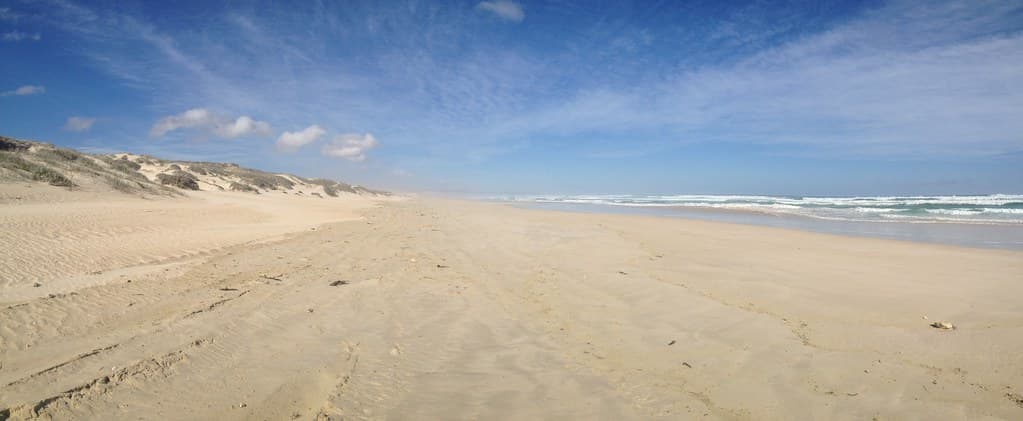
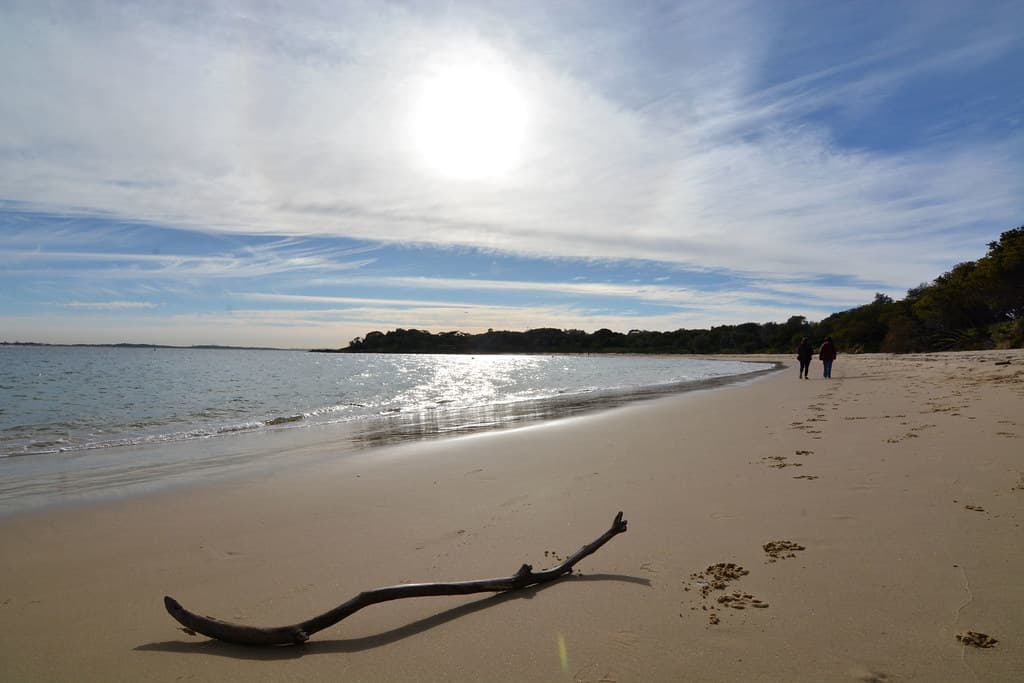
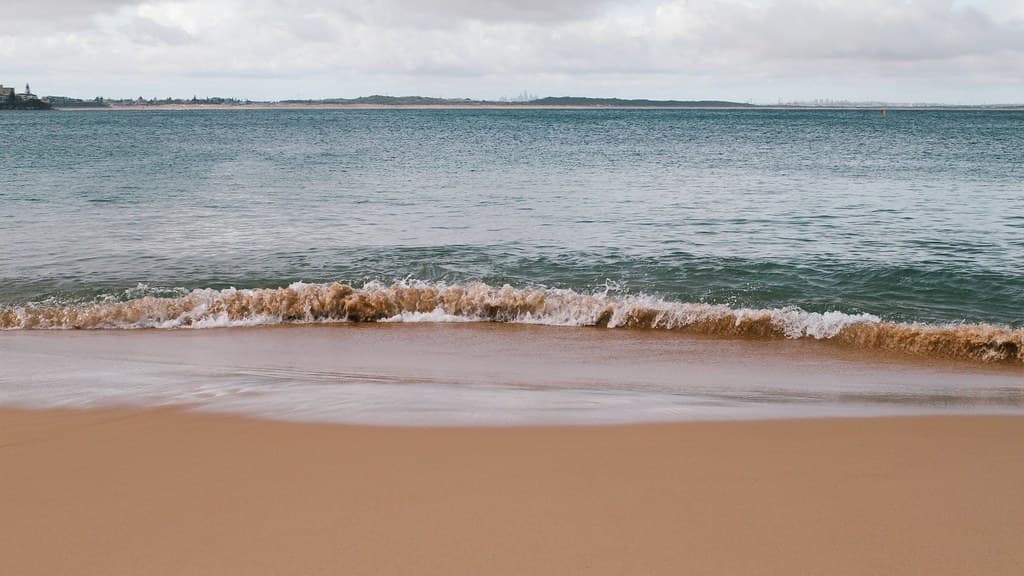
The track from Bundeena village winds through coastal heath that smells of honey and salt, depositing you onto a beach that refuses to sit still. Wind sculpts the sand into ribbed patterns, and tide pools collect between rock platforms where tiny fish dart like silver needles. Jibbon Beach stretches long and lean, backed by low dunes and the kind of silence you forget exists thirty kilometers from the Sydney CBD. Most visitors keep walking. The coastal path beyond the northern rocks leads to Jibbon Head, where ochre handprints and stenciled tools mark sandstone galleries used by the Dharawal people for thousands of years. You'll need to time your approach with the tides—king tides swallow the route entirely. On the return, the beach opens up differently, light slanting across Port Hacking's mouth and illuminating the water in bands of jade and navy. Pack everything in and out; there are no bins, no kiosks, no lifeguards. What you get instead is space—the kind where you can walk the tideline for twenty minutes and count shore birds instead of beach towels. In winter, humpbacks breach offshore. In summer, the she-oaks behind the dunes rattle in the nor'easter, and the water stays brisk enough to make you earn every swim.
Places, rentals, tours and events within walking and driving distance of Jibbon Beach.
Photos
Jibbon Beach is generally suitable for swimming, though conditions vary. The beach is unpatrolled, so swim at your own risk and stay cautious. Waters are typically calmer than ocean-facing beaches due to its position within Port Hacking, making it more suitable for families. However, always check local conditions before entering the water, be aware of currents, and avoid swimming alone. Rocks at either end of the beach require care. The lack of lifeguards means you should be a confident swimmer and supervise children closely at all times.
Jibbon Beach is enjoyable year-round, with each season offering different benefits. Summer (December-February) provides warm weather ideal for swimming, though it can be busier. Autumn and spring offer pleasant temperatures perfect for the coastal walks to Jibbon Head and the Aboriginal rock engravings. Winter is quieter and excellent for bushwalking without the heat. Weekdays are generally less crowded than weekends. Early morning visits offer the best light for photography and wildlife spotting, while the beach's protected position means it's often comfortable even on breezy days.
Access to Jibbon Beach requires planning as Bundeena has limited road access. Most visitors take the Cronulla ferry (35 minutes) from Cronulla Wharf, then walk approximately 20 minutes through Bundeena village. Alternatively, drive to Bundeena via the Royal National Park, though this involves a longer route through Loftus. Limited street parking is available in Bundeena village. The beach is also accessible via a scenic 6km walking track from Bundeena Beach. No vehicle access exists directly to Jibbon Beach, so prepare for walking regardless of your arrival method.
Jibbon Beach itself has no facilities, so come prepared with supplies. The nearby Bundeena village, a 20-minute walk away, offers cafes, a general store, and a hotel for meals and refreshments. Public toilets are available in Bundeena but not at Jibbon Beach itself. There's no mobile food vendors or kiosks at the beach. For accommodation, Bundeena has limited holiday rentals and guesthouses; many visitors stay in Cronulla and day-trip across. Bring your own water, snacks, and sun protection, and carry out all rubbish as this is an environmentally sensitive area.
Yes, Jibbon Beach provides access to one of Sydney's most significant Aboriginal rock engraving sites. A marked walking track from the beach leads around Jibbon Head to view ancient rock carvings created by the Dharawal people, featuring fish, whales, and other cultural symbols. The walk takes about 30-40 minutes return from the beach. The engravings are protected heritage sites, so viewing from the marked paths without touching is essential. Information signs explain the cultural significance. This combination of beach relaxation and Indigenous cultural heritage makes Jibbon Beach particularly special and educational.