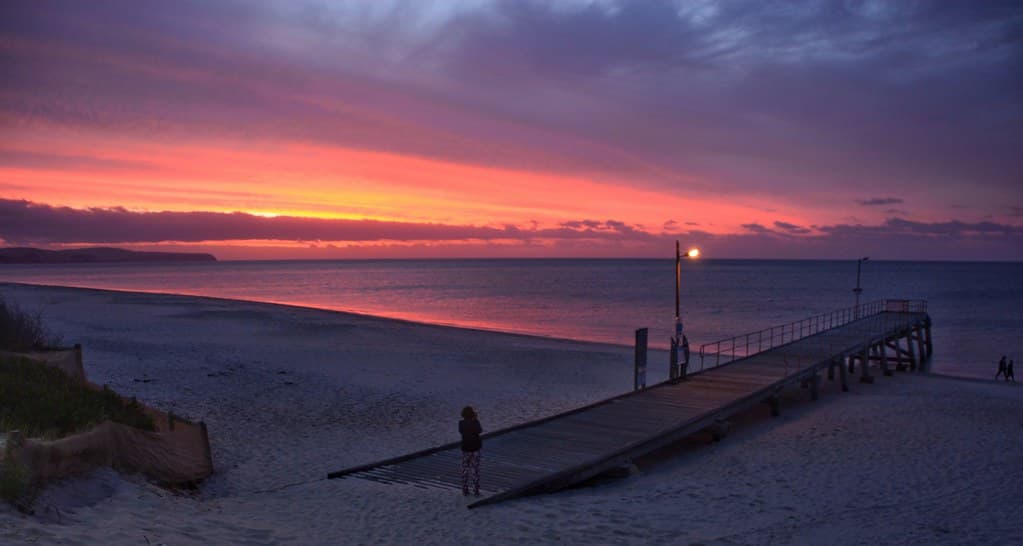
Counting the waves…
Counting the waves…

Park Beach unfolds along a generous two-kilometer sweep where the Pacific rolls in with dependable energy. The sand here is the color of shortbread, fine enough to squeak beneath your feet as you walk from the car park to the water's edge. Clusters of Norfolk pines provide patchy shade, their shadows shifting across picnic blankets and beach towels as the day progresses. The beach holds its crowds well—school holiday masses thin out toward the northern headland, where rock platforms reveal themselves at low tide. The ocean delivers year-round: clean swells from the east wrap around Muttonbird Island to the south, creating peeling rights that intermediate surfers claim before work. On calmer days, the shore break stays gentle enough for boogie boards and tentative swimmers. Lifeguards patrol the flagged zone from September through April, extending to daily coverage in summer when the water temperature climbs to a comfortable 24 degrees Celsius. Off the sand, the Coffs Creek inlet offers flat-water paddling at the southern end, while the shared pathway connects you to cafés serving turmeric lattes and bacon rolls within a five-minute walk. It's utilitarian rather than boutique—locals arrive in hi-vis after shift work, backpackers linger with novels, and retirees walk their terriers at dawn—and that functional authenticity is precisely what keeps people returning.
Places, rentals, tours and events within walking and driving distance of Park Beach.
Photos
Park Beach is patrolled by surf lifesavers during peak seasons and school holidays, typically between September and April. The beach features designated swimming areas marked by red and yellow flags where you should always swim. Conditions vary, with occasional strong currents and moderate surf that can challenge inexperienced swimmers. Rock pools at the southern end offer calmer water for children. Always check warning signs, swim between the flags when lifeguards are on duty, and avoid swimming after heavy rain when water quality may be compromised.
Park Beach is enjoyable year-round thanks to Coffs Harbour's subtropical climate. Summer (December-February) offers warm water and peak beach conditions, though it's busiest with families. Autumn and spring provide pleasant temperatures with fewer crowds, ideal for surfing and beach walks. Winter (June-August) remains mild with daytime temperatures around 17-20°C, perfect for whale watching from the headland. Morning visits typically offer calmer conditions and better parking availability regardless of season. The beach faces east, making it excellent for sunrise viewing throughout the year.
Park Beach has a large free car park directly off Ocean Parade, providing easy beach access with spaces for several hundred vehicles. The main parking area is located at the northern end near the playground and amenities block. During peak summer periods and holidays, the car park fills quickly, so arrive before 10am for guaranteed parking. Additional street parking is available along Ocean Parade and surrounding residential streets. The beach is also accessible via the Coffs Coast Regional Park walking and cycling paths that connect to central Coffs Harbour.
Park Beach features excellent facilities including public toilets, showers, changing rooms, and a playground. The Park Beach Plaza shopping centre, located directly across Ocean Parade, offers supermarkets, cafes, takeaway food outlets, and restaurants within walking distance. The beachfront has picnic shelters and barbecue facilities. For accommodation, numerous holiday apartments, motels, and the Pacific Bay Resort are within a few blocks. The nearby Park Beach Holiday Park offers camping and cabin options right near the shore. Drinking water taps and beach equipment hire are also available during summer.
Yes, Park Beach offers excellent whale watching opportunities during the annual humpback whale migration between May and November. The headland at the southern end of Park Beach, near the rock pool area, provides an elevated vantage point for spotting whales as they travel along the coast. Peak viewing months are typically June-July (northward migration) and September-October (southward migration with calves). Whales often breach and play close to shore. Early morning usually offers the best visibility and calmest conditions for spotting these magnificent marine mammals without needing a boat tour.