Counting the waves…
Counting the waves…

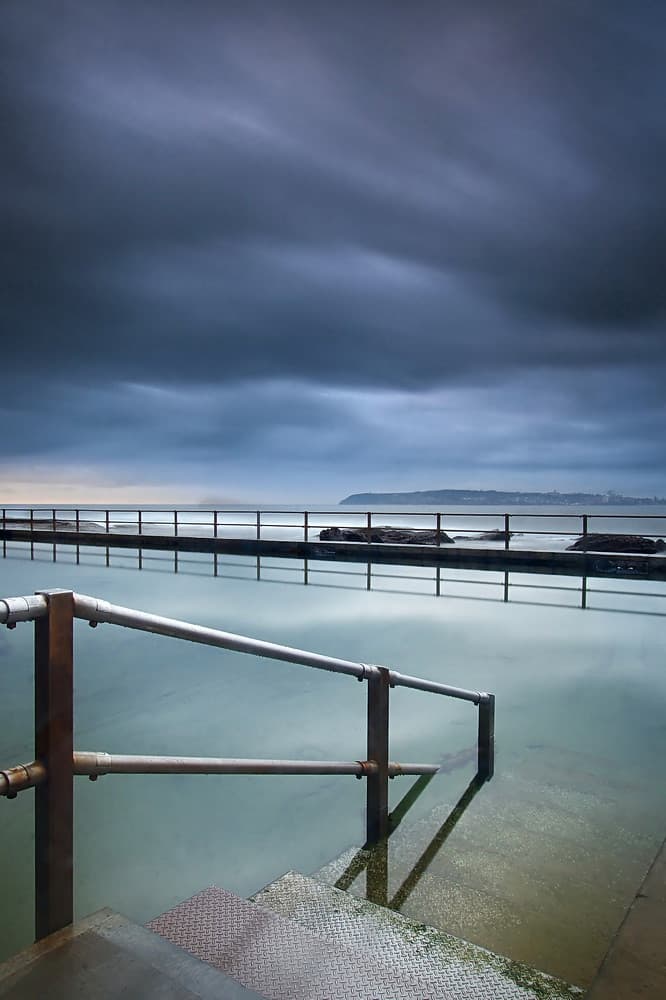
Step onto the promenade and you're walking through Australian sporting mythology. In December 1915, Hawaiian waterman Duke Kahanamoku carved turns on a board fashioned from local sugar pine, igniting a cultural revolution that still defines this coastline. The bronze statue near the rock pool captures him mid-stride, board tucked under one arm, gaze fixed on swells rolling in from the Tasman. The beach stretches eight hundred meters between rocky headlands, its ochre sand sloping gently toward shore breaks that welcome learners and challenge veterans in equal measure. Norfolk pines cast late-afternoon shadows across families camped on striped towels, while the ocean pool at the southern end fills with lap swimmers timing their strokes between wave surges. Cormorants dry their wings on the pool's concrete edge, indifferent to the parade of wetsuits and longboards. Beyond the surf clubs and gelato stands, Freshwater retains an unhurried village rhythm. You'll find retired lifesavers nursing flat whites at the beach kiosk, debating swell forecasts with the same intensity their grandfathers brought to these conversations. The coastal walk north toward Curl Curl offers views back across the bay—a perspective that explains why indigenous Garigal people valued this shore long before it became a pilgrimage site for anyone who's ever waxed a board.
Places, rentals, tours and events within walking and driving distance of Freshwater Beach.
Photos
Freshwater Beach is patrolled by lifeguards during peak season (September to April) and offers relatively safe swimming conditions between the flags. The beach features a sheltered cove with moderate surf, making it suitable for families and beginner swimmers. However, rips and currents can occur, particularly during larger swells. Always swim between the red and yellow flags where lifeguards are monitoring conditions. Check the surf life saving flags upon arrival and ask lifeguards about current conditions if unsure.
Freshwater Beach is enjoyable year-round, though summer (December-February) offers the warmest weather and water temperatures around 21-24°C. Spring and autumn provide milder conditions with fewer crowds, ideal for surfing and beach walks. Winter (June-August) brings cooler temperatures but can produce excellent surf conditions. Early mornings typically offer calmer waters and stunning light for photography. Weekdays are generally less crowded than weekends. The beach faces northeast, so it catches morning sun beautifully throughout the year.
Freshwater Beach is accessible via public transport or car, located about 17km northeast of Sydney CBD. Take the B1 bus from Manly or Wynyard, or catch a train to Manly then bus 139. By car, follow Harbord Road to Oliver Street or Lawrence Street. Metered street parking is available on surrounding streets, though it fills quickly on weekends and summer days. Arrive early for the best spots. A small car park exists near the surf club on Moore Road with limited spaces.
Freshwater Beach offers good amenities including public toilets, showers, and change rooms near the surf club. The Harbord Beach Hotel (pub) overlooks the beach and serves meals with ocean views. Several cafes and takeaway options line nearby streets, including popular spots on Moore Road and Albert Street. The beach has picnic facilities and shaded areas. For accommodation, options range from nearby holiday apartments to guesthouses in Freshwater and neighbouring Manly, which offers more extensive hotel choices within walking distance.
Freshwater Beach is considered the birthplace of Australian surfing culture. In December 1915, Hawaiian legend Duke Kahanamoku gave a surfing demonstration here using a board carved from local sugar pine, introducing board riding to Australia. This event transformed Australian beach culture forever. A statue of Duke stands at the beach commemorating this historic moment. The beach remains popular with surfers and hosts the annual Duke Surfboard Paddle each year, attracting participants who celebrate this cultural legacy using traditional wooden surfboards.