Counting the waves…
Counting the waves…

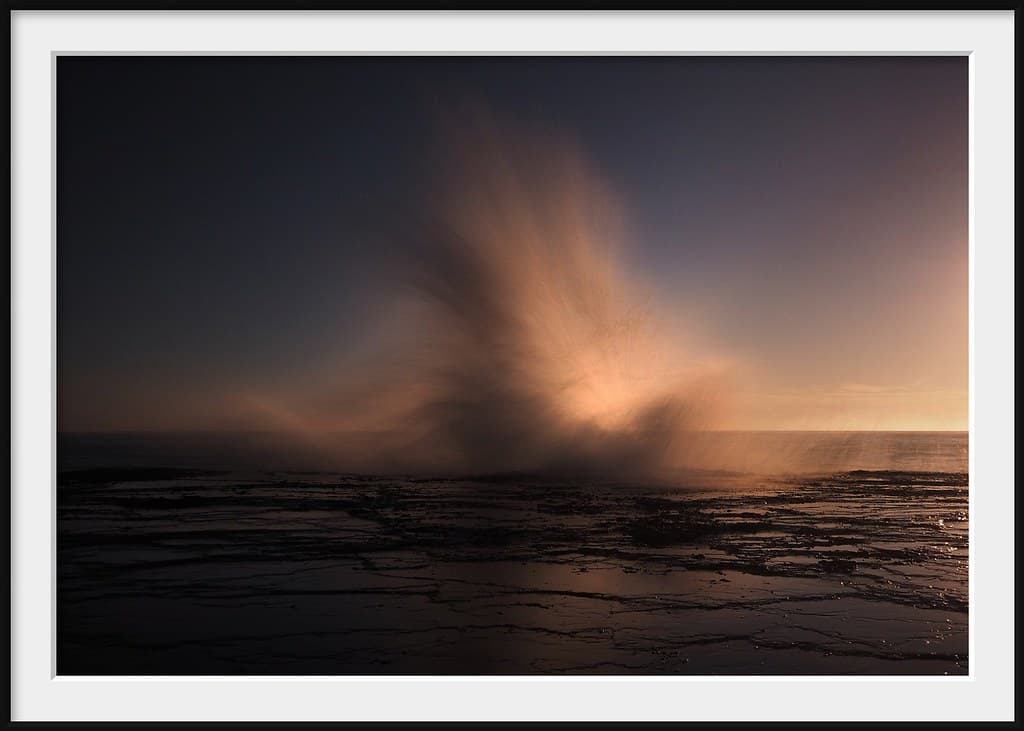
The access track drops you onto coarse sand studded with water-smoothed pebbles, the kind that click and hiss as shore break retreats. Unlike Werri's long stretch a kilometre north, Boat Harbour folds into itself, sheltered by headlands that calm the Tasman swell into manageable walls. Families stake out the northern end where the rock shelf creates knee-deep pools warm enough by midday to forget you're swimming in the South Pacific. Mid-afternoon light turns the sandstone cliffs amber, casting shadows across the shore that shift with the tide. You'll spot locals checking the break from the grassy lookout above, deciding whether the south corner is worth the paddle. The beach empties by late afternoon except for a handful of anglers casting from the rocks and couples walking barefoot where firm sand meets the waterline. Bring reef shoes if you plan to explore the platform—green-lipped mussels cling to every surface, and the shallow channels hide crabs the size of your palm. The general store in Gerringong, a five-minute drive inland, stocks everything you forgot, though the nearest surf shop and proper café cluster in town. Pack out what you pack in; there's one bin near the stairs and no facilities beyond that.
Places, rentals, tours and events within walking and driving distance of Boat Harbour Beach.
Photos
Boat Harbour Beach is generally safer for swimming than nearby Werri Beach due to its more sheltered position and calmer waters. The beach sits in a protected cove, making it particularly suitable for families with children. However, always check local conditions before entering the water, as ocean conditions can change. There's no patrolled surf lifesaving service, so swim with caution and stay close to shore. Rock pools at either end of the beach provide additional safe options for young children during low tide.
Boat Harbour Beach is accessible year-round, with each season offering different appeals. Summer (December-February) brings warm weather ideal for swimming and beach activities, though it's busier. Autumn and spring offer pleasant temperatures with fewer crowds, perfect for scenic walks along the headland. Winter provides dramatic coastal views and whale watching opportunities (June-November). The sheltered location means it's often calmer than exposed beaches nearby. Early mornings generally offer the calmest conditions and best light for photography throughout the year.
Boat Harbour Beach is located south of Werri Beach in Gerringong, accessible via Boat Harbour Drive off Belinda Street. There's a small parking area near the beach, but spaces are limited and fill quickly during peak times, especially summer weekends. Street parking is available on surrounding residential roads, though be mindful of local restrictions. The beach requires a short walk down steps from the parking area. Gerringong is approximately 130 kilometers south of Sydney via the Princes Highway, with the beach clearly signposted from the town center.
Boat Harbour Beach itself has minimal facilities—no cafes or kiosks on-site. However, Gerringong town center is just a few minutes' drive away, offering several cafes, restaurants, and bakeries for meals and supplies. The nearby Werri Beach has additional dining options. Accommodation ranges from holiday rentals and apartments in Gerringong to beachfront properties in the area. For more extensive shopping and dining, Kiama is about 10 kilometers north. It's advisable to bring your own food, drinks, and beach essentials when visiting Boat Harbour Beach.
While neighboring Werri Beach is popular with surfers and has patrolled swimming areas, Boat Harbour Beach offers a distinctly quieter, more intimate experience. Its sheltered cove position creates calmer waters better suited to families and those seeking relaxation rather than surf. The beach is smaller and more secluded, with scenic rock platforms and headlands framing both ends. It attracts fewer crowds, making it ideal for peaceful beach days and picnics. The lack of surf club facilities means it's less developed, preserving a more natural, low-key coastal atmosphere.