Counting the waves…
Counting the waves…

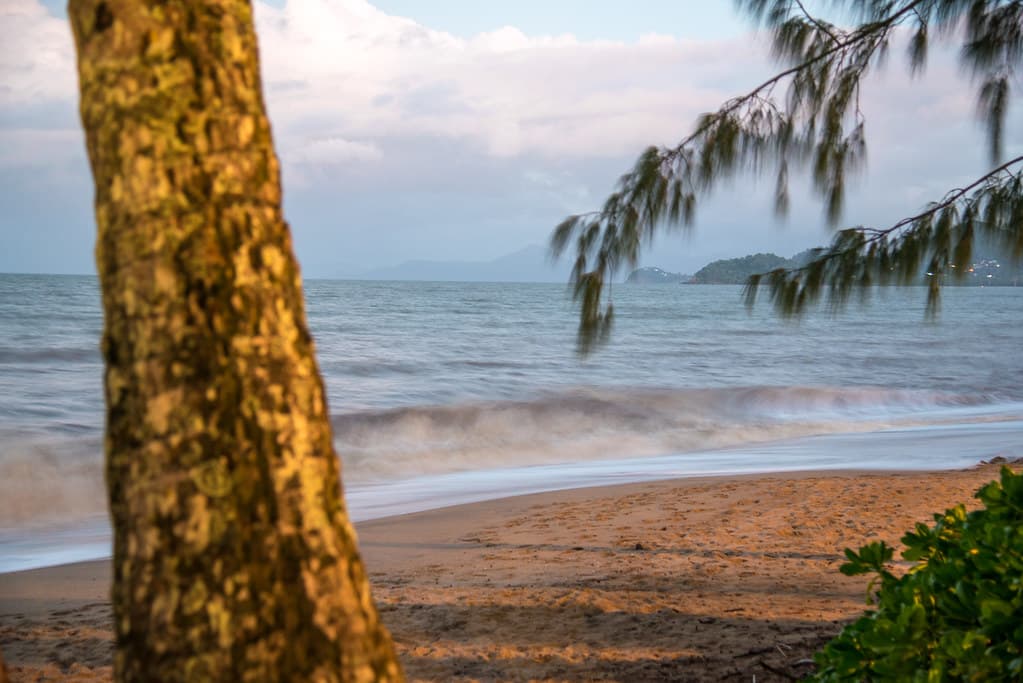
The 20-minute ferry from Church Point cuts a white wake through Pittwater's sheltered waters, passing weekend sailors and the odd dolphin fin before nosing into Great Mackerel Beach. You disembark onto a shore where the only vehicles are dinghies hauled above the tideline, and the loudest sound is the slap of small waves on hulls. Families have summered here for generations in weatherboard shacks painted faded blues and greens, their verandas strung with fishing nets and sun-bleached buoys. A walking track threads north toward the next cove, winding through banksia and scribbly gum, while the southern end opens to rockpools pocked with sea anemones and tiny darting fish. The water stays calm year-round, Pittwater's narrow mouth shielding it from ocean swells, making it safe for waist-deep wading even when easterlies churn the open coast. Locals paddle kayaks out at dawn, trailing fingers through water the color of green glass. Stay overnight in one of the basic rental cottages—no shops, no cafés, just a communal tap and a sense of suspension. At dusk, possums rustle in the leaf litter, and across the water, Church Point's lights blink on one by one, a reminder of the world you've temporarily left behind.
Places, rentals, tours and events within walking and driving distance of Great Mackerel Beach.
Photos
Great Mackerel Beach is generally safe for swimming, with calmer waters than ocean-facing beaches due to its protected Pittwater location. The beach has gentle waves suitable for families and children. However, there are no lifeguard patrols, so swim at your own risk and stay within your abilities. Check conditions before entering the water, as currents can vary. The beach's remoteness means emergency services take longer to reach, so exercise caution and never swim alone.
Great Mackerel Beach can be visited year-round, with each season offering different appeals. Summer (December-February) is ideal for swimming and water activities, though it's busiest then. Spring and autumn provide pleasant weather with fewer crowds, perfect for bushwalking and kayaking. Winter remains mild in this region, suitable for peaceful getaways. Weekdays are generally quieter than weekends. The protected Pittwater location means conditions are typically calmer than exposed ocean beaches regardless of season.
Great Mackerel Beach is accessible only by water—there are no roads or parking facilities. The most common option is the regular ferry service from Church Point (approximately 15 minutes). Private water taxis also operate from Church Point and other Pittwater locations. Alternatively, you can kayak or use your own boat. Parking is available at Church Point for those driving there, though spaces fill quickly on weekends and holidays. The boat-only access preserves the beach's remote, peaceful character.
Great Mackerel Beach is a small residential settlement with very limited amenities. There's a general store offering basic supplies, snacks, and drinks, but no restaurants or supermarkets. The Pasadena recreation club occasionally serves meals to visitors. Accommodation options include holiday rental houses and The Great Mackerel Beach Campground for a more rustic experience. Most visitors bring their own food and supplies. Church Point, your ferry departure point, has cafes and shops for stocking up before departure.
Yes, Great Mackerel Beach offers camping at The Great Mackerel Beach Campground, which provides a unique off-grid camping experience. The campground has basic facilities including composting toilets and cold showers, with tent sites nestled in bushland near the beach. Bookings are typically required, especially during peak periods. Campers must bring all supplies, as amenities are minimal. The remote, boat-access-only location makes this a special wilderness camping experience, despite being relatively close to Sydney.