Counting the waves…
Counting the waves…

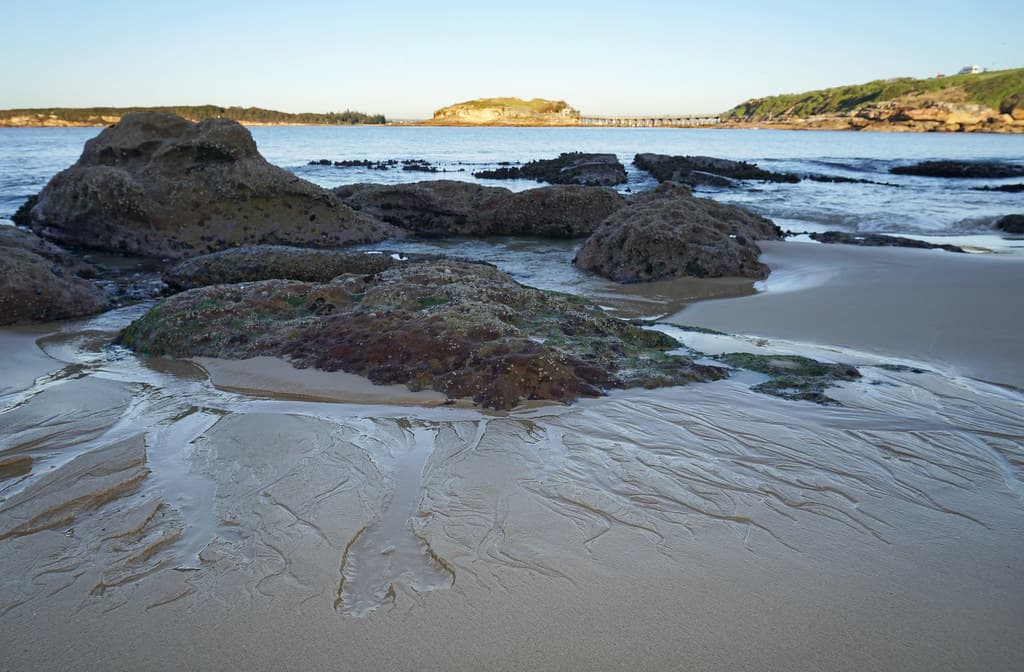
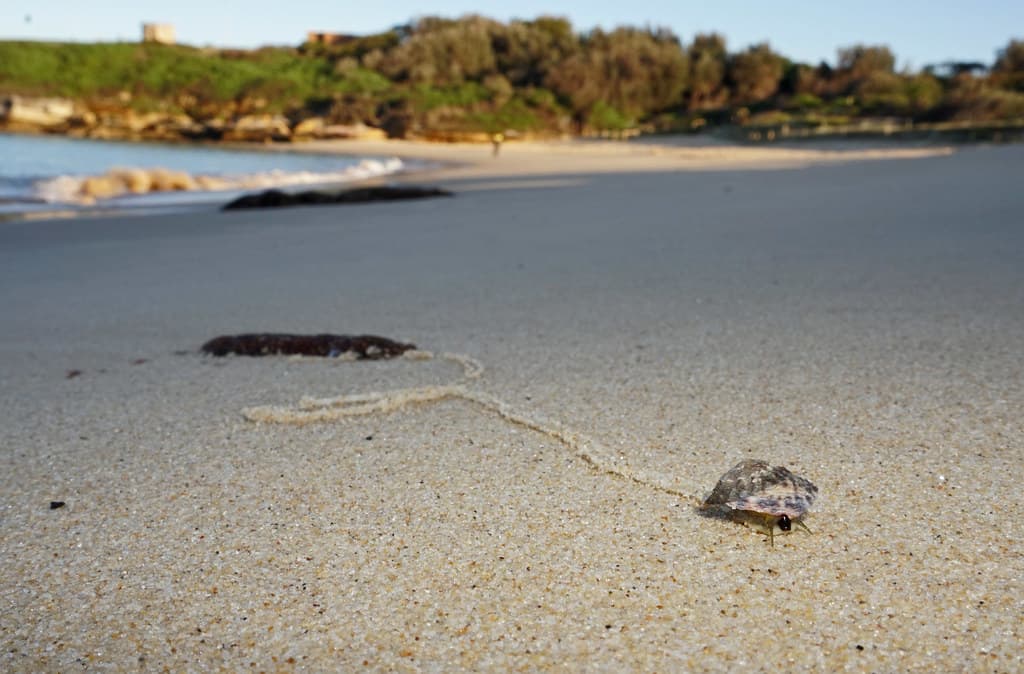
Congwong sits in a natural amphitheatre carved into the sandstone cliffs of La Perouse, protected from Pacific swells by the entrance to Botany Bay. The beach runs only two hundred metres end to end, bordered by grass terraces where Norfolk Island pines lean seaward and barbecue smoke mingles with salt air on weekends. Unlike the ocean beaches that dominate Sydney's eastern fringe, this bay-side stretch offers still water—you can see your toes on the sandy bottom even at chest depth, and the only waves arrive as wake from the occasional container ship passing the heads. The sand here skews golden-brown and slightly grainy, studded with small shells that crunch underfoot near the tide line. Rocks fringe both ends of the cove, their kelp-draped platforms drawing snorkellers who drift above schools of yellowtail and wrasse. Behind the beach, terraced lawns climb toward the heritage-listed fortifications that once guarded Sydney Harbour's back door; the brick magazines and ramparts now frame your beach towel view instead of cannons. You'll share the sand with local families who've claimed the same pine-shaded spots for decades, their Eskies packed with lamingtons and thermos tea. The kiosk near the car park dispenses ice creams and meat pies, and the absence of surf lifesavers reflects the bay's benign temperament—though you should still swim between the flags when they're posted. This is a beach for floating, not fighting waves, where the water stays swimmable even when southerlies churn the coast into froth.
Places, rentals, tours and events within walking and driving distance of Congwong Beach.
Photos
Congwong Beach is generally safe for swimming, with calm, sheltered waters protected by the surrounding headlands. The beach is not patrolled by lifeguards, so swim at your own risk and stay within your abilities. The bay's protection from ocean swells makes it popular with families and snorkelers. Water conditions are typically gentle, though always check for jellyfish during warmer months and be aware of boat traffic, as it's a popular mooring spot. The lack of strong currents makes it suitable for less confident swimmers.
Congwong Beach is enjoyable year-round thanks to its sheltered position and Sydney's mild climate. Summer (December-February) offers warm weather ideal for swimming and water activities, though it can get busy on weekends. Autumn and spring provide pleasant temperatures with fewer crowds, perfect for relaxed beach days and snorkeling. Winter remains mild enough for beach walks and picnics, with water temperatures suitable for wetsuits. Early mornings offer the calmest conditions and best chance to spot local wildlife before crowds arrive.
Congwong Beach is located in La Perouse, accessible via Anzac Parade from Sydney's CBD (approximately 30 minutes by car). Follow signs to La Perouse and turn onto Congwong Road. There's a small parking area directly at the beach, but spaces are limited and fill quickly on weekends and holidays. Street parking is available nearby on Congwong Road. Public transport options include bus routes to La Perouse, followed by a short walk. The beach is also accessible via coastal walking tracks from nearby Bare Island.
Congwong Beach has basic facilities including picnic tables, barbecue areas, and toilets, making it ideal for day trips. There are no cafes or restaurants directly at the beach itself, but the nearby La Perouse village (a short walk away) offers several dining options including cafes, seafood restaurants, and takeaway shops. The Boatshed café is a popular local spot. No accommodation exists at the beach, but La Perouse and neighboring suburbs offer various lodging options. Bring your own food and supplies for a full day at the beach.
Congwong Beach is Sydney's only clothing-optional beach, designated at the northern end near the rocks, while the main beach remains family-friendly. This unique status attracts a diverse, relaxed crowd seeking a more liberal beach experience. Beyond this, the beach offers exceptional calm-water snorkeling opportunities with clear visibility and diverse marine life, unlike Sydney's ocean-facing surf beaches. Its sheltered bay location provides a distinctly peaceful atmosphere, and the surrounding Kamay Botany Bay National Park offers historical significance and natural bushland, creating a more secluded coastal experience.