Counting the waves…
Counting the waves…

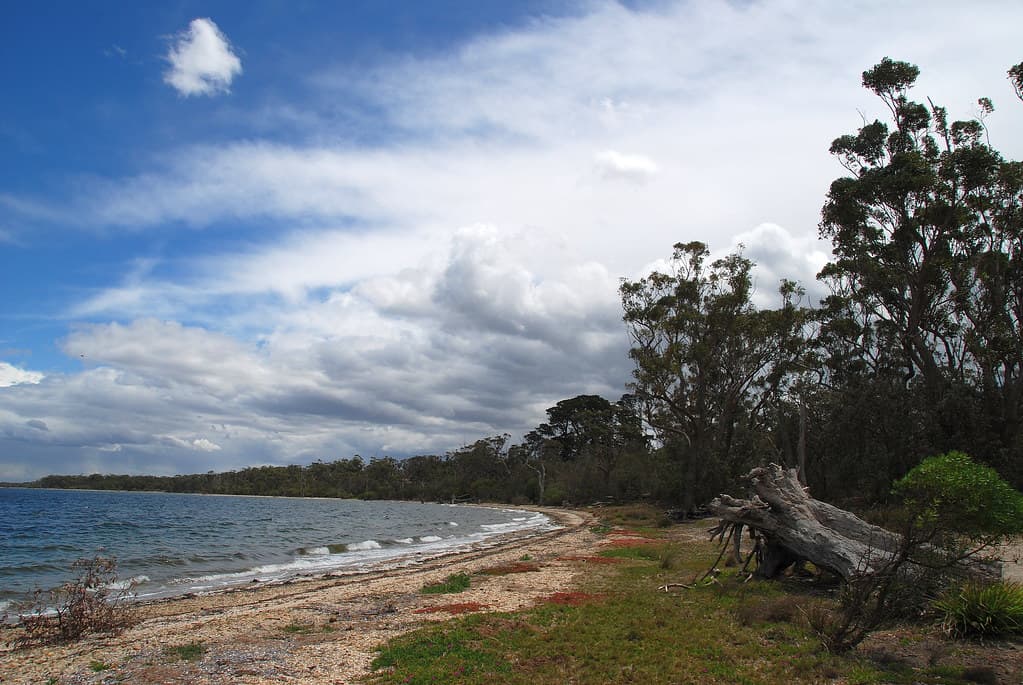
The beach stretches barely 300 meters, hemmed by dark volcanic rock platforms that bracket the sand like natural groins. At low tide, shallow pools collect between the boulders, warming in the afternoon sun while blue gropers nose through the kelp. The swim zone sits in the southern corner, where a gentle shore break rolls over compacted sand—safe enough for toddlers but still lively when an east swell pushes through. Above the beach, the grassy reserve hosts a single picnic shelter and a handful of Norfolk pines that lean landward, shaped by decades of onshore winds. Locals arrive early with rods and tackle boxes, targeting bream and tailor from the northern platform. By midmorning the carpark fills with station wagons and hatchbacks, doors flung open, wetsuits peeled to the waist. The beach lacks the polished amenities of its southern neighbors—no surf club building, no boardwalk, no gelato stand. What it offers instead is elbow room and a rhythm dictated by tides rather than tourism. You'll leave with sand in your car's floor mats and the particular ache in your shoulders that comes from an hour of battling shorebreak, convinced you've found something the Instagram hordes haven't yet.
Places, rentals, tours and events within walking and driving distance of Jenny Dixon Beach.
Photos
Jenny Dixon Beach is generally suitable for swimming, though conditions vary with weather and swell. The beach is unpatrolled, so swimmers should exercise caution and stay between the flags when lifeguards are present during peak summer periods. The northern end tends to be calmer, while the southern end can have stronger currents. Always check surf conditions before entering the water, avoid swimming alone, and be mindful of rips. The beach is more sheltered than nearby ocean beaches, making it popular with families during calm conditions.
Jenny Dixon Beach is enjoyable year-round, with each season offering different appeals. Summer (December-February) brings warm water temperatures ideal for swimming, though weekends can see more visitors. Autumn and spring offer pleasant weather with fewer crowds, perfect for long beach walks. Winter provides dramatic coastal scenery and whale-watching opportunities from June to November. Early mornings throughout the year tend to be quietest and best for wildlife spotting. The beach's north-facing aspect provides some protection from prevailing southerly winds, making it comfortable even on breezy days.
Jenny Dixon Beach is accessed via Jenny Dixon Reserve off Wilfred Barrett Drive in Noraville, on the Central Coast approximately 90 minutes north of Sydney. There's a small car park at the reserve entrance with limited spaces, which can fill quickly on weekends and holidays. Street parking is available along nearby residential streets, but be mindful of local restrictions. The beach access involves a short walk through the reserve. If travelling by public transport, buses service Noraville from Wyong Station, though the beach is about a 15-minute walk from the nearest stop.
Jenny Dixon Beach has minimal on-site facilities, with no cafes or kiosks directly at the beach. The nearby Noraville town centre, about 2 kilometres away, offers a small shopping village with a general store, takeaway options, and basic services. For more dining and shopping choices, Toukley is 5 minutes' drive south, while The Entrance, 10 minutes away, has extensive restaurants, cafes, and supermarkets. Accommodation options include holiday rentals in Noraville and nearby suburbs, plus caravan parks and motels throughout the broader Tuggerah Lakes area.
Jenny Dixon Beach remains relatively quiet because it's tucked away in residential Noraville without the commercial development or extensive facilities that draw crowds to nearby beaches like The Entrance or Shelly Beach. The small car park and local beach access mean it's primarily frequented by residents and those specifically seeking a quieter alternative. Its position between the more famous surf beaches to the north and the Tuggerah Lakes attractions to the south means many visitors overlook it. This low-key character is exactly what appeals to locals and informed travellers seeking a peaceful coastal experience.