Counting the waves…
Counting the waves…

Port Kembla Beach unfolds in the shadow of one of Australia's largest industrial ports, and that juxtaposition—cargo ships on the horizon, grain silos looming behind the dunes—gives this stretch of Illawarra coast a character entirely its own. The beach runs long and flat, backed by a grassy reserve where Norfolk pines lean into the prevailing southerlies. When the swell builds, the breakwater at the northern end creates a sheltered zone where learners wobble to their feet, while more experienced riders paddle farther out to meet the unbroken sets. The sand here is coarse and pale, scattered with fragments of black basalt that warm quickly under the sun. You'll notice the locals: mullet fishermen casting from the rocks at dawn, parents setting up shade tents near the surf club, runners following the paved path that traces the shoreline. The water runs cooler than Sydney's northern beaches, especially when upwelling stirs the depths, and the southern end often feels emptier, even on weekends when the car park fills. What keeps people returning isn't postcard perfection—it's the reliability. The waves show up. The facilities work. The fish-and-chip shop across from the beach delivers exactly what you expect. Port Kembla doesn't pretend to be untouched wilderness; it's a working beach in a working town, and that honesty is precisely its appeal.
Places, rentals, tours and events within walking and driving distance of Port Kembla Beach.
Photos
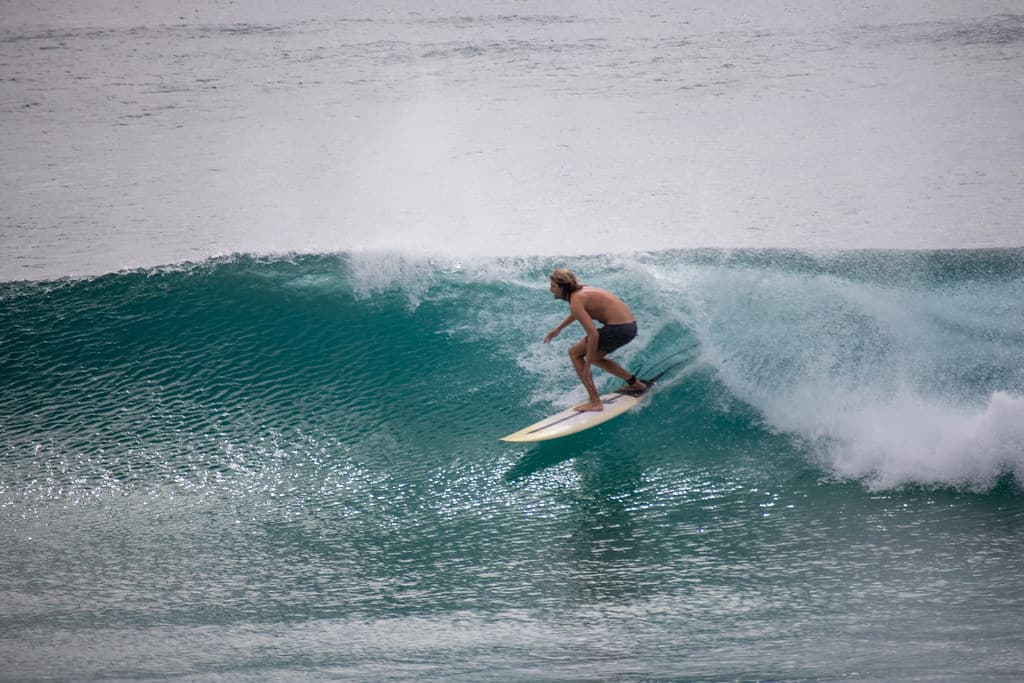
Port Kembla Beach can experience variable surf conditions, making it more suitable for confident swimmers. The beach has strong currents and waves that attract surfers, so less experienced swimmers should stay close to shore and swim between the flags when lifeguards are on duty during patrol seasons. Always check local conditions before entering the water. The beach's industrial backdrop includes the nearby port, so water quality can vary. Families with young children may prefer the calmer northern end or consider nearby patrolled beaches like Wollongong City Beach for safer swimming conditions.
Port Kembla Beach is accessible year-round, with each season offering different experiences. Summer (December-February) brings warm weather ideal for swimming and sunbathing, though it can be crowded. Autumn and spring offer milder temperatures with fewer visitors, perfect for walks and surfing. Winter attracts dedicated surfers seeking bigger swells. The beach faces east, so mornings typically offer calmer conditions and beautiful sunrises. For the best overall experience, visit on weekday mornings during autumn or spring when the weather is pleasant, crowds are minimal, and parking is easier to find.
Port Kembla Beach is located approximately 10 kilometres south of Wollongong's city centre. By car, take the Princes Highway and turn onto Wentworth Street toward the beach. Free parking is available along the beachfront on Military Road and in a car park near the surf club. The area is accessible via public transport, with buses running from Wollongong city centre to Port Kembla. On weekends and public holidays, parking fills quickly, so arrive early for the best spots. The beach is easily walkable from the parking areas.
Port Kembla Beach has basic amenities including public toilets, outdoor showers, and picnic facilities. The Port Kembla Surf Life Saving Club operates during patrol seasons. For food, you'll find a few local cafes and takeaway shops within walking distance in the Port Kembla township, though options are limited compared to central Wollongong. For more diverse dining, the nearby suburb of Warrawong or Wollongong city centre (10 minutes north) offers numerous restaurants and cafes. Accommodation options are limited locally, with most visitors staying in Wollongong or surrounding suburbs.
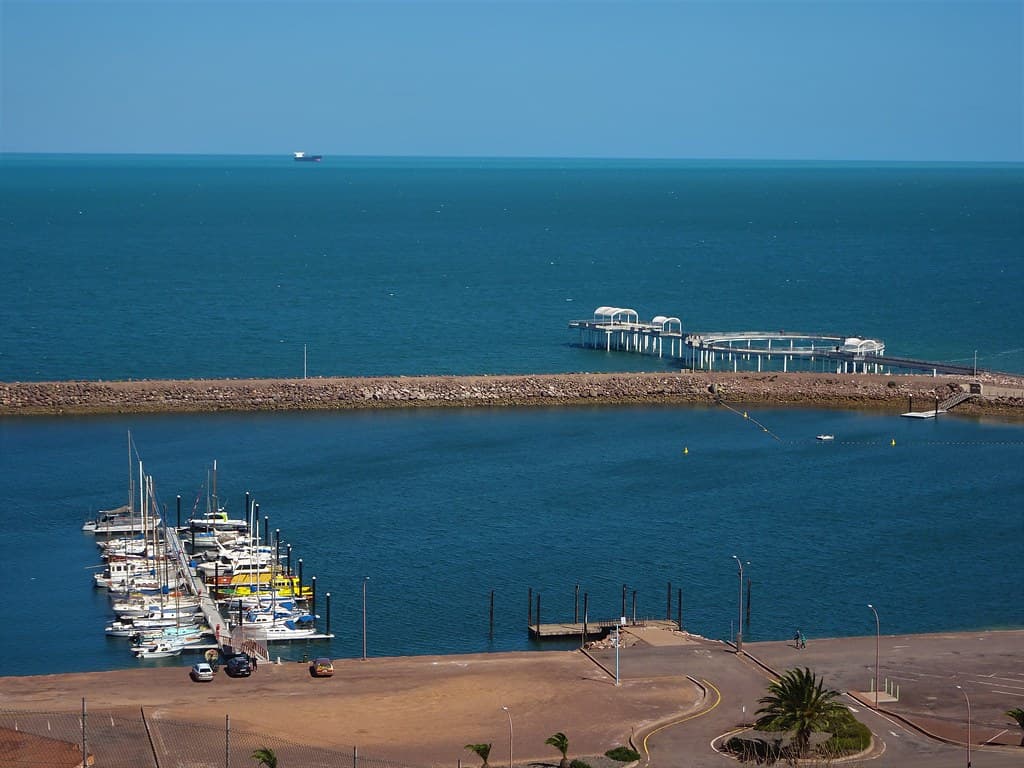
Yes, Port Kembla Beach offers a distinctive backdrop featuring the working Port Kembla harbour and industrial facilities, including grain terminals and steelworks. The northern breakwater and shipping infrastructure are visible from the beach, creating a unique contrast between natural coastal beauty and industrial heritage. This industrial presence is part of the area's character and history as a major Australian port town. While some visitors enjoy this uncommon beach scenery and the sight of large ships, others prefer the more natural settings of nearby beaches. The juxtaposition makes for interesting photography and represents the region's working maritime identity.