Counting the waves…
Counting the waves…
A refined fusion of water purity, environmental stability, and communal vibrancy for Shelly Beach.
View MethodologyAnalyzed via live sensors and environmental data.
Wave height, wind, and atmospheric stability.
Live footfall and crowd balance metrics.
Community reviews and curated sentiment.
“You'll find Shelly Beach tucked south of the main strip, where a rocky headland breaks the Pacific swell into gentle ripples. Families wade shin-deep among rock platforms while the scent of salt mingles with eucalyptus…”
Limited recent visitor reports — live OBI telemetry is your best guide for current conditions.
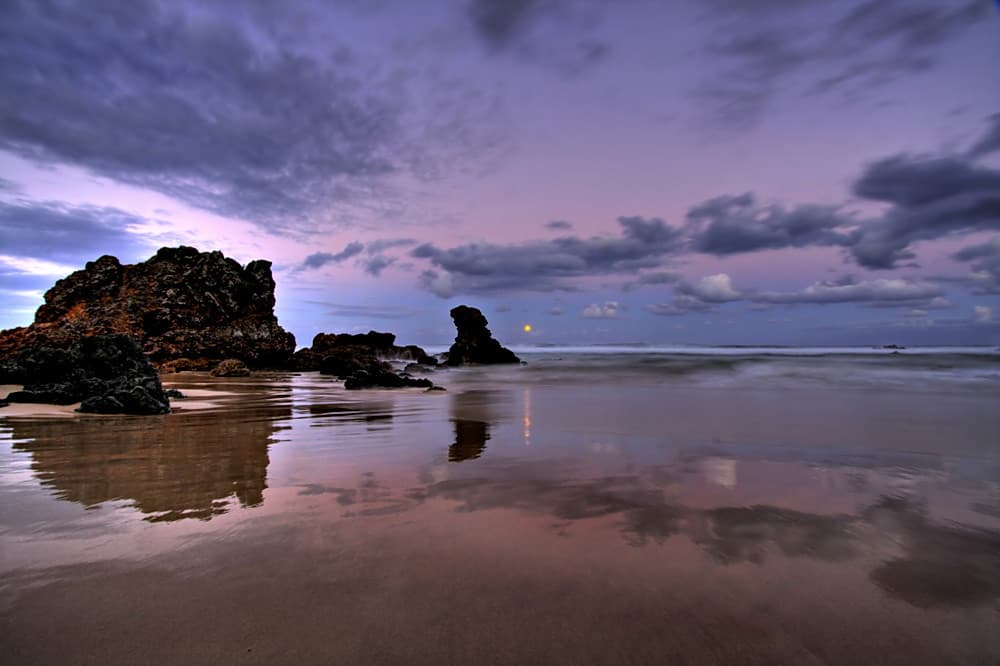
The moment you step onto Shelly Beach, you notice the calm. Unlike the open swells hammering Flynn's and Lighthouse beaches just minutes north, this crescent of sand sits in the lee of a natural rock barrier, turning the Tasman Sea into something closer to a lagoon at high tide. Banksias lean over the northern end, their pale trunks twisted by decades of onshore winds, while the southern rocks form tide pools so clear you can count the legs on a scuttling crab from knee height.
Midmorning brings families with toddlers who patrol the shallows with plastic buckets, plucking periwinkles and baby flathead from the pools. By early afternoon, the water warms enough that even in June you'll see wetsuit-free swimmers floating on their backs, staring up at the canopy of Sea Acres National Park rising immediately behind the dunes. The beach rarely exceeds fifty visitors at once—Port Macquarie's tourists gravitate to the patrolled flags elsewhere, leaving Shelly to locals and the occasional rental-car wanderer who follows the curve of Pacific Drive past the koala hospital.
 Credit: Unsplash
a beach with a hill and trees
 Credit: Unsplash
a view of the ocean from a tree
Wobbegongs rest in shallow channels
Rainforest loop starts at carpark
Banksia silhouettes frame the coast
Where it is
Shelly Beach
Port Macquarie, New South Wales, Australia
-31.457700°, 152.934600°
Weather
Loading…
Swell
—
Temp
Warm · Restorative
UV Index
Moderate
Wind
—
Tidal State
Last known
Max Sunlight
—
Ideal Shade
—
Jan - Dec (Peak)
Mar - Nov (Off-season)
Historical data suggests peak visibility and stable sea temperatures occur during the prime visitation window.
Select a category to load nearby places.
Unlock restaurants, luxury stays and curated maritime experiences within 2km
Shelly Beach is one of Port Macquarie's safest swimming spots due to its sheltered location and calm waters. The beach is protected by headlands, creating gentle conditions ideal for families with young children and less confident swimmers. There's no surf lifesaving patrol, so swim during daylight hours and stay aware of conditions. The rock pools at either end are perfect for kids to explore safely. Always supervise children closely and check for any marine stingers during warmer months, though they're uncommon in this area.
Shelly Beach is beautiful year-round, though each season offers something different. Summer (December-February) brings warm water perfect for swimming, but can be busier. Autumn and spring offer pleasant temperatures, fewer crowds, and excellent conditions for snorkeling when visibility is high. Winter (June-August) is quieter and ideal for coastal walks, though water temperatures drop to around 16-18°C. Early mornings any time of year provide the calmest waters and best chance of spotting marine life in the rock pools.
Shelly Beach has a small dedicated car park accessed via Pacific Drive, just past the Sea Acres Rainforest Centre. The car park holds approximately 30-40 vehicles and can fill quickly on weekends and holidays, so arrive early during peak times. Parking is free but limited. If full, you can park at the nearby Sea Acres Rainforest Centre car park and walk the short coastal path (about 5 minutes). There's also street parking along Pacific Drive, though spaces are limited and require a short walk down to the beach.
Shelly Beach has basic facilities including public toilets and an outdoor shower, but no cafes or kiosks directly on the beach. The nearest dining options are back toward Port Macquarie town centre, about 5 minutes' drive away, where you'll find numerous cafes and restaurants. Many visitors bring their own picnic supplies. For accommodation, Port Macquarie offers extensive options from hotels to holiday parks within 10 minutes' drive. The Sea Acres Rainforest Centre next door has a cafe open during centre hours.
Yes, Shelly Beach is excellent for snorkeling, particularly around the rocky areas at both ends of the beach. The calm, protected waters offer good visibility, especially on settled days with minimal wind. You'll likely spot colourful fish, sea stars, and other marine life among the rocks and in the shallow pools. The best snorkeling is typically during high tide when water covers more of the reef. Bring your own gear as there are no rental facilities on-site. Mornings generally provide the clearest water conditions.
Photos