
Counting the waves…
Counting the waves…

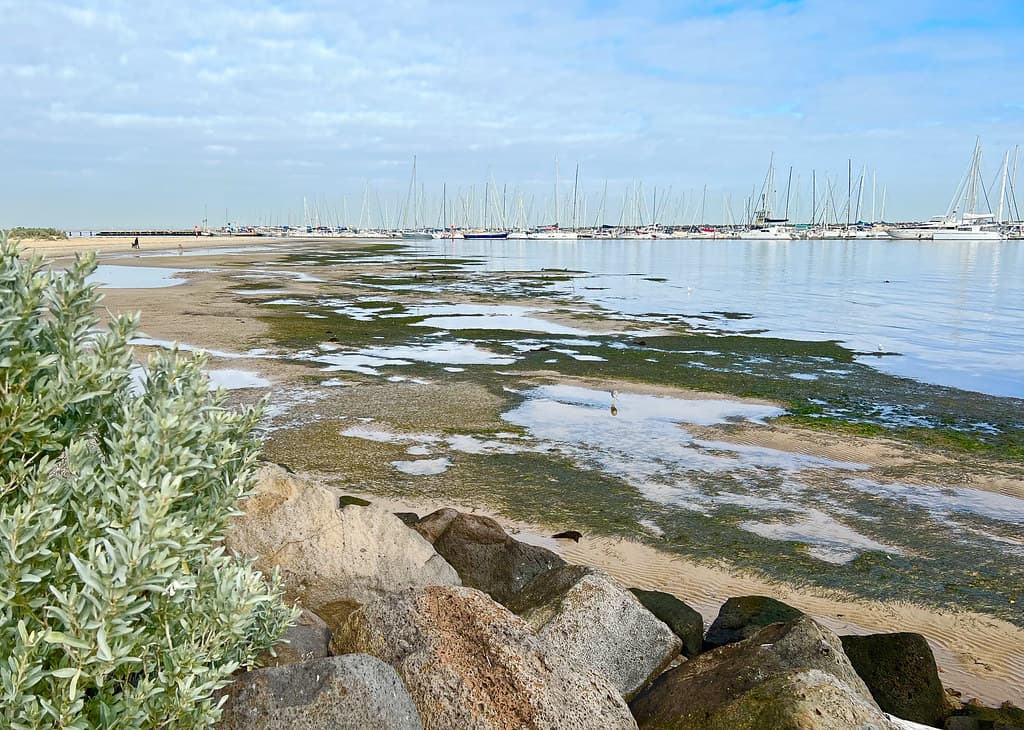
Boat Harbour Beach tucks itself into a natural amphitheater of headlands, the kind of geological fortune that turns ordinary coastline into a family tradition. The water here feels almost lake-like on still mornings, protected from the Tasman swells that pound beaches just kilometers north. You'll wade shin-deep for what feels like half a football field, the sandy bottom firm underfoot, before the seafloor drops away into deeper channels where schools of yellowtail dart between stands of kelp. The rock platforms flanking either end of the beach create natural aquariums. Bring a mask and fins—you'll drift over boulders crusted with purple sea urchins while striped catfish nose through the crevices below. Families colonize the grassy reserve behind the sand, erecting pop-up shelters beneath the she-oaks while kids shuttle between picnic rugs and water's edge carrying buckets of hermit crabs. The beach faces northeast, catching morning sun that warms the shallows by mid-morning. Locals arrive by eight, claiming their favorite patches of shade before the day-trippers cross the bridge from Newcastle. By afternoon, the water temperature hovers in the low twenties year-round, and the only decision you'll face is whether to snorkel the northern rocks or the southern—each headland harbors its own congregation of leatherjackets and sergeant majors nosing through the underwater gardens.
Places, rentals, tours and events within walking and driving distance of Boat Harbour Beach.
Photos
Boat Harbour Beach is considered one of the safest swimming spots in Port Stephens, making it ideal for families with young children. The beach is sheltered within a natural harbour, creating calm, protected waters with minimal waves and currents. The shallow, gradual entry makes it perfect for toddlers and nervous swimmers. However, the beach is unpatrolled, so always supervise children closely. The clear waters and rock pools at either end are popular for snorkeling, though watch for submerged rocks and marine life.
Boat Harbour Beach is enjoyable year-round thanks to Port Stephens' temperate climate. Summer (December-February) offers warm water temperatures around 21-24°C, ideal for swimming and snorkeling, though it can be busier with families. Autumn and spring provide pleasant weather with fewer crowds, perfect for picnics and beach walks. Winter remains mild, with daytime temperatures around 17-19°C, suitable for scenic visits. Early morning visits any season offer the calmest conditions and best visibility for snorkeling before afternoon sea breezes develop.
Boat Harbour Beach is located approximately 2.5 hours north of Sydney via the Pacific Highway, then onto Nelson Bay Road. From Nelson Bay township, it's about a 10-minute drive following Fingal Bay Road. There's a small, free parking area directly adjacent to the beach with space for roughly 20-30 vehicles. During peak summer weekends and holidays, parking fills quickly by mid-morning. Arrive early or consider visiting on weekdays. No public transport services the beach directly, so a private vehicle is necessary.
Boat Harbour Beach has limited on-site facilities, with public toilets and a small grassed picnic area near the car park. There are no cafes or kiosks at the beach itself, so bring your own food and drinks. The nearby suburb of Fingal Bay (5 minutes' drive) offers cafes, restaurants, and a general store. Accommodation options range from holiday rentals and apartments in Fingal Bay to hotels and resorts in Nelson Bay (10 minutes away). The beach suits day trips with picnic supplies or stays at nearby accommodations.
Boat Harbour Beach's protected rock pools and clear waters make it excellent for spotting diverse marine life while snorkeling. Common sightings include colorful reef fish, sea stars, anemones, crabs, and small octopuses among the rocky areas. The calm conditions and good visibility allow snorkelers of all levels to observe underwater ecosystems safely. The rocky headlands at each end of the beach offer the best snorkeling spots. Always wear reef-safe footwear to protect against sharp rocks and sea urchins, and avoid touching marine creatures.