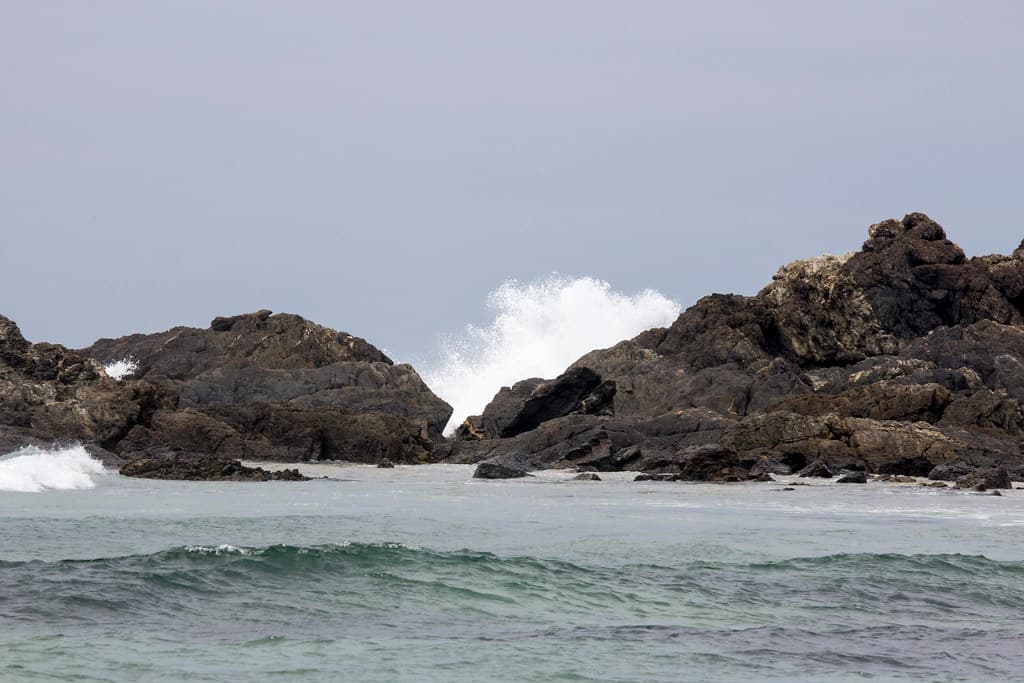
Counting the waves…
Counting the waves…

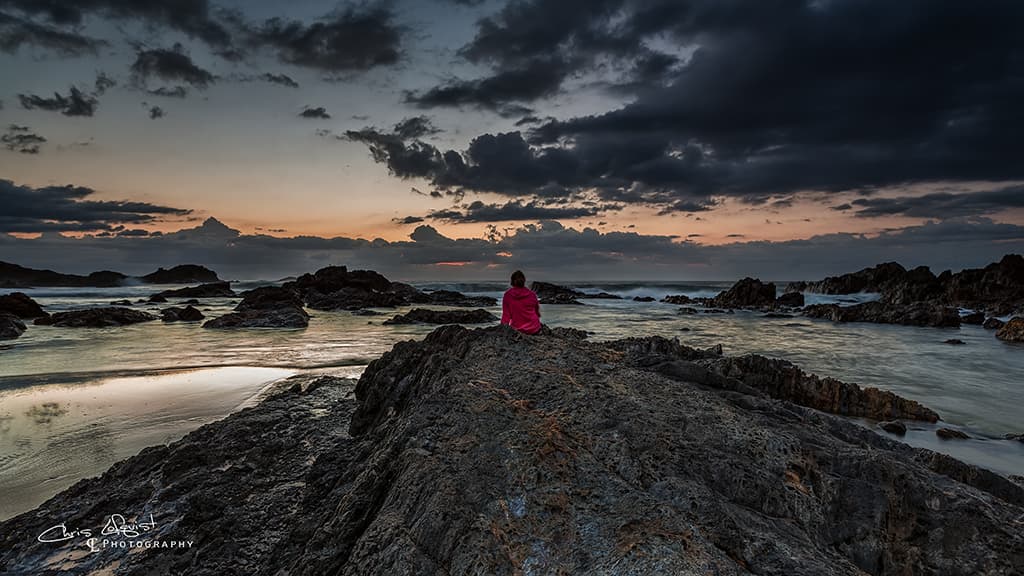
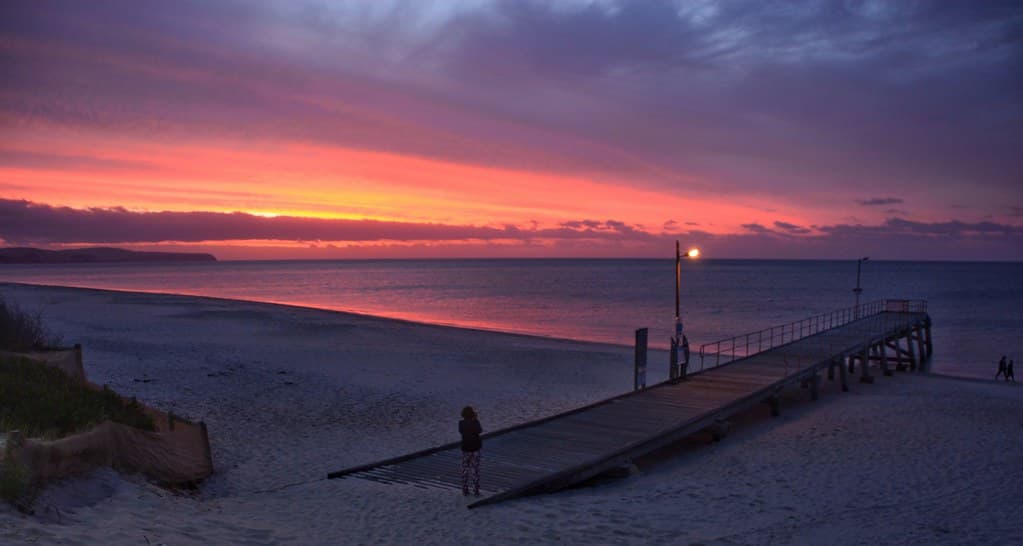
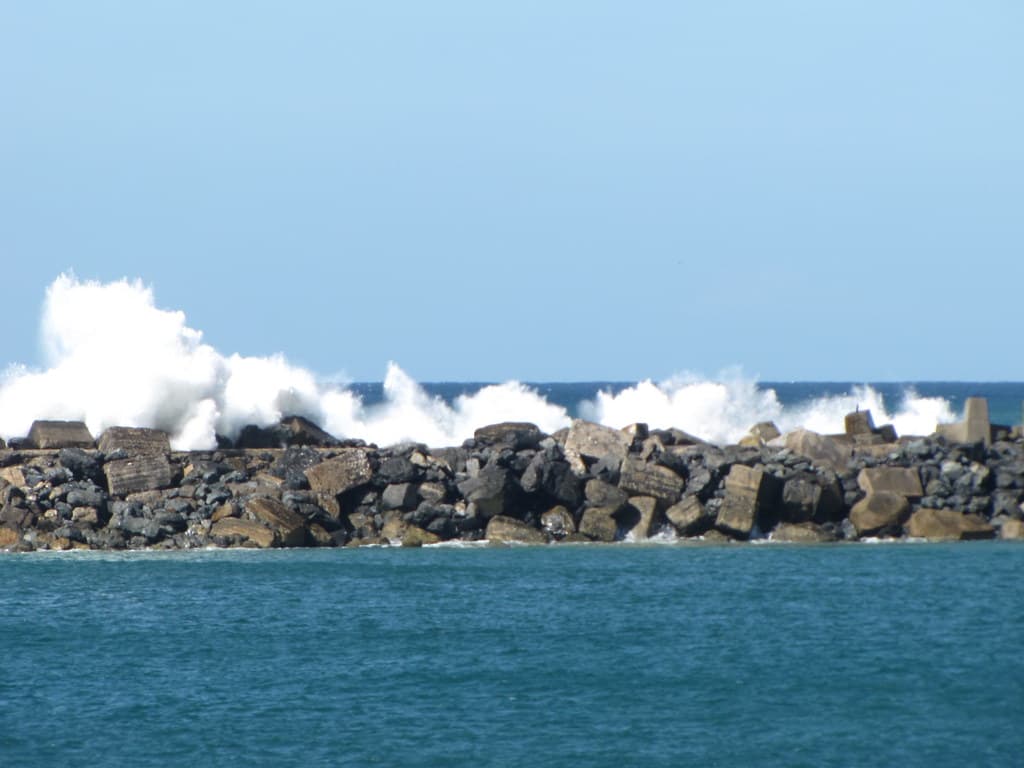
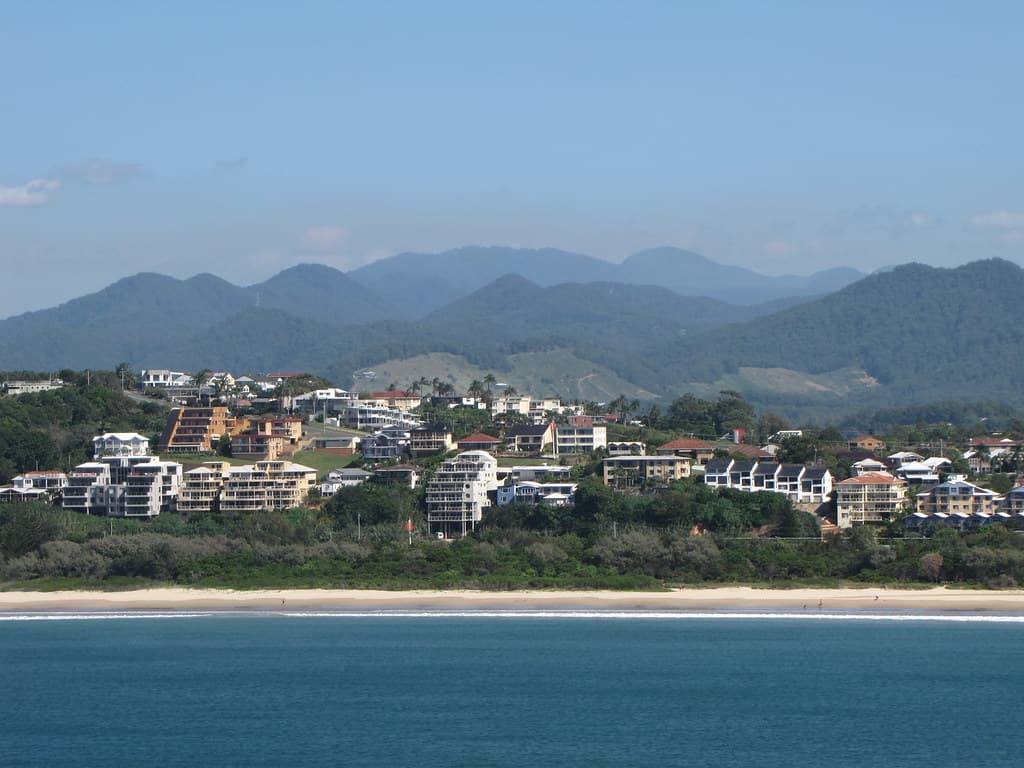
The sand here runs coarse underfoot, peppered with fragments of shell that crunch softly as you walk from the northern rockpool toward the broad expanse that opens south. Boambee Headland rises steeply to your right, its walking tracks threading through coastal scrub where kookaburras announce sunset from exposed branches. The beach itself feels refreshingly unglamorous—no surf clubs or boardwalks, just a straight run of shore where locals spread towels between the flags and bodysurfers time their entries with the rhythm of consistent swells. The water temperature stays mild year-round, courtesy of the East Australian Current that brushes this stretch of coast. You'll notice families clustering near the rockpool at the northern end, where toddlers crouch to examine hermit crabs while their parents scan the horizon for dolphin fins. The southern stretch offers more breathing room, particularly on weekdays when the only footprints belong to early joggers and the occasional fisherman casting into the shore break. Park along Boambee Creek Drive and you're thirty seconds from sand. The headland walk rewards the climb with views that stretch from Coffs Harbour's breakwater north to the hazy outline of Woolgoolga. Pack a towel, skip the Instagram pose, and settle into the unpretentious rhythm that defines this corner of the Coffs Coast.
Places, rentals, tours and events within walking and driving distance of Boambee Beach.
Photos
Boambee Beach is generally suitable for swimming, though conditions vary with weather and tides. The beach is unpatrolled, so swimmers should exercise caution and only swim when conditions are calm. Check for rips and currents before entering the water. The beach's location near Boambee Headland can create variable wave conditions. Families with young children should stay close to shore and swim during low to moderate swell. Always check local surf reports and weather forecasts before your visit, and never swim alone at unpatrolled beaches.
Boambee Beach is enjoyable year-round due to the mild coastal climate near Sawtell. Summer (December-February) offers warm weather perfect for swimming and water activities, though it can be busier. Autumn and spring provide pleasant temperatures with fewer crowds, ideal for beach walks and scenic photography near Boambee Headland. Winter remains mild, suitable for coastal strolls and whale watching from June to November. Early mornings offer the best light for photography and peaceful beach experiences regardless of season.
Boambee Beach is located just south of Sawtell, approximately 10 kilometers south of Coffs Harbour in New South Wales. By car, access the beach via Lyons Road off the Pacific Highway. Limited street parking is available near the beach access points. The beach is less developed than nearby Sawtell Main Beach, so parking facilities are basic. Consider parking in Sawtell township and enjoying a scenic coastal walk south to Boambee Beach. Public transport options are limited, making a car the most practical access method.
Boambee Beach itself has minimal facilities, being a more natural, undeveloped beach. For amenities, cafes, restaurants, and shops, head to nearby Sawtell village (approximately 2 kilometers north), which offers diverse dining options, supermarkets, and boutique stores. Sawtell has numerous accommodation choices including motels, holiday apartments, and beachfront resorts. For a full beach day at Boambee, bring your own food, water, and shade as there are no kiosks or shelters. Public toilets may be limited, so plan accordingly.
Boambee Beach offers a quieter, more secluded alternative to the popular Sawtell Main Beach. Its position near Boambee Headland provides scenic coastal views and a more natural, undeveloped setting without the crowds and facilities of Sawtell's patrolled beach. The beach appeals to those seeking tranquility, coastal walks, and nature appreciation rather than resort-style amenities. It's ideal for fishing, exploring rock pools, and enjoying uninterrupted beach scenery. The lack of surf lifesaving services means it attracts experienced swimmers and beach walkers rather than tourist crowds.