Counting the waves…
Counting the waves…

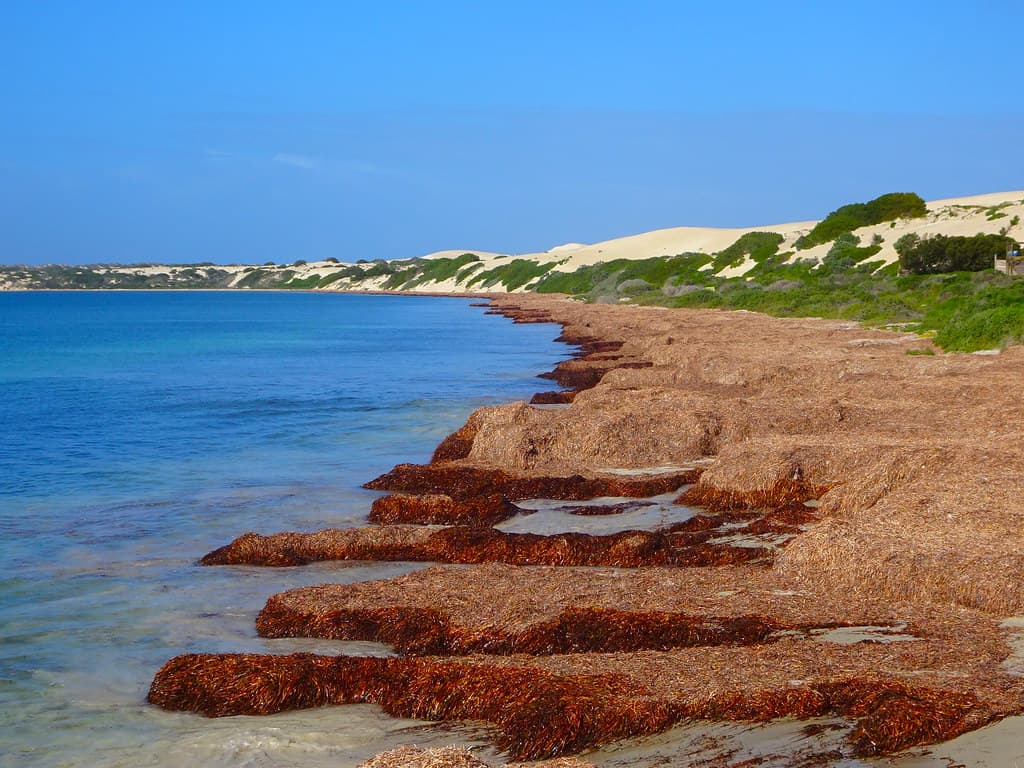
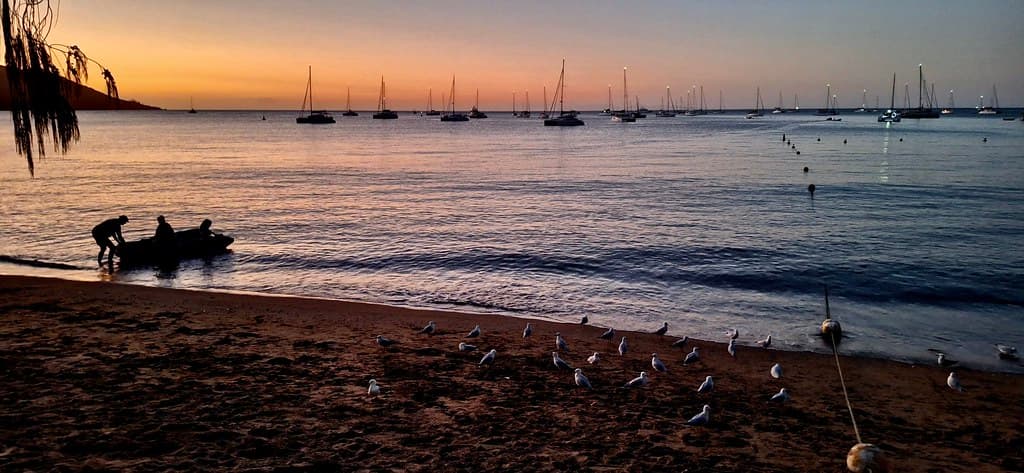
The bay announces itself as you crest the headland road—a perfect arc of sand tucked between Trial Bay to the north and Laggers Point to the south, the kind of symmetry that looks airbrushed until you're standing in it. You park under the pines, cross the grassy foreshore in bare feet, and step onto sand that squeaks underfoot. The water temperature hovers around 20°C even in winter, warmed by the East Australian Current that brushes this stretch of coast. Families stake out the southern end where the shallows stretch widest; you'll watch toddlers chase dart fish in ankle-deep water while their parents float on inflatables twenty metres offshore, toes still touching bottom. The northern rock platform draws snorkelers at high tide—leather jackets, wrasse, and the occasional wobbegong shark rest in the kelp shadows. Local fishers work the edges at dawn, flicking soft plastics for bream and flathead. By late afternoon the western headland casts a wedge of shade across half the beach. You'll spread your towel in the last patch of sunlight or retreat to the picnic tables beneath the she-oaks, where kookaburras wait for dropped chips and the smell of sausages on public barbecues drifts through salt air. The protected aspect means the bay stays swimmable when beaches five kilometres south turn to washing machines.
Places, rentals, tours and events within walking and driving distance of Horseshoe Bay.
Photos
Horseshoe Bay is generally considered safe for swimming due to its sheltered, crescent-shaped geography that provides natural protection from strong ocean currents. The calm waters make it particularly suitable for families with children and less confident swimmers. However, always check local conditions before entering the water, as weather and tides can affect safety. The bay's gentle waves and clear visibility also make it popular for snorkeling. During summer months, swimming between the flags when lifeguards are present adds an extra layer of safety for beachgoers.
Horseshoe Bay is a year-round destination with appealing conditions across all seasons. Summer (December-February) offers warm weather ideal for swimming and water activities, though it's the busiest period. Autumn and spring provide pleasant temperatures with fewer crowds, perfect for couples seeking a quieter experience. Winter remains mild along this NSW coast, making it suitable for scenic walks and wildlife watching. The bay's sheltered position means it's generally protected from harsh weather, though checking local forecasts is always recommended for optimal beach conditions.
Horseshoe Bay is located in South West Rocks, accessible via the Pacific Highway with a turn-off toward the coastal town. From the town center, follow signage toward the bay, which is a short drive away. Parking is available near the beach, though spaces can fill quickly during peak summer periods and public holidays. Arriving early in the day, especially during busy seasons, increases your chances of securing convenient parking. The bay is also within walking distance from some South West Rocks accommodations, making it accessible for those staying nearby.
South West Rocks offers various dining and accommodation options within close proximity to Horseshoe Bay. The town features cafes, restaurants, and takeaway food outlets serving fresh seafood and casual meals. Accommodation ranges from holiday parks and caravan sites to motels, apartments, and holiday rentals suitable for different budgets and group sizes. Some properties offer direct beach access or short walks to the bay. Basic amenities like public toilets and picnic facilities are typically available near the beach, though it's advisable to bring essentials like water and sun protection.
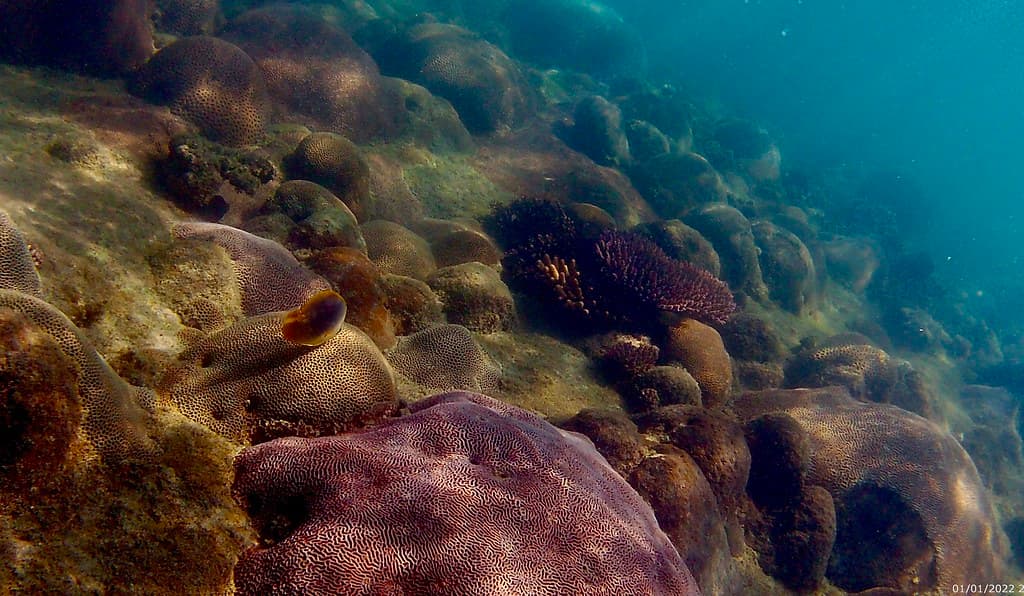
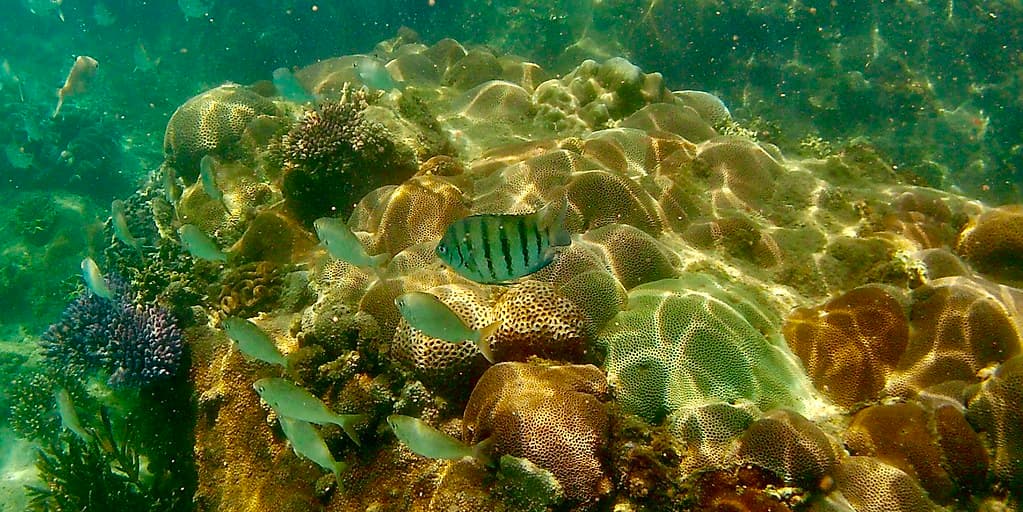
Horseshoe Bay's clear, calm waters and sheltered conditions make it an excellent location for snorkeling. The bay's rocky edges and marine environment support diverse underwater life, allowing snorkelers to observe fish and other sea creatures in relatively shallow, accessible areas. The protected nature of the bay means visibility is often good, especially on calm days. Snorkeling gear can typically be brought from home or purchased in South West Rocks. As with any water activity, it's important to assess conditions on the day and stay within your comfort level.