Counting the waves…
Counting the waves…

Wamberal unfurls as a broad crescent between Terrigal's headland buzz to the south and the quieter stretch toward The Entrance. The sand here is coarse-grained and golden, compacted enough for morning runners but soft where the high-tide mark carves temporary dunes. Banksia and coastal scrub fringe the upper beach, and after storms you'll spot the bleached trunks of Norfolk pines half-buried—remnants of decades-old erosion battles that still reshape the foreshore. The surf is the main event: consistent, often hollow, and demanding respect. Sandbars shift with each big swell, creating fleeting A-frames that vanish within days. On smaller days the inside reform offers a forgiving wave for learners, but when east swells push above six feet, rips carve channels that require confident ocean swimmers. Locals favor early sessions before northeasterlies chop the surface by noon. Beyond the line-up, Wamberal maintains a residential quiet. No patrol flags fly year-round—lifeguards staff the beach only during summer holidays—so you're left to read the water yourself. A gravel car park tucks behind the dunes; a single kiosk serves coffee and bacon rolls on weekends. The rhythm here is tidal and unmediated, shaped more by swell forecasts than any tourism calendar.
Places, rentals, tours and events within walking and driving distance of Wamberal Beach.
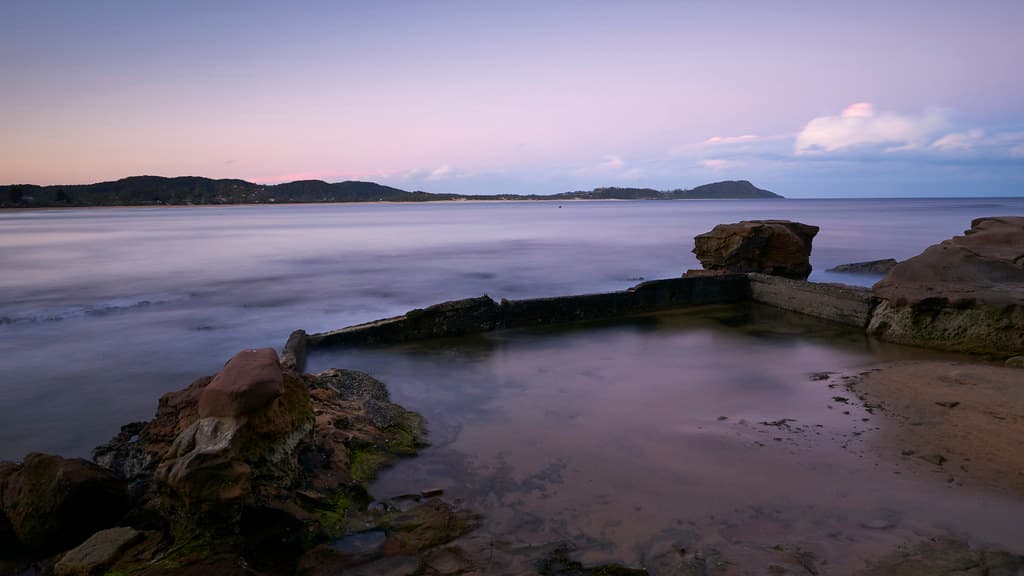
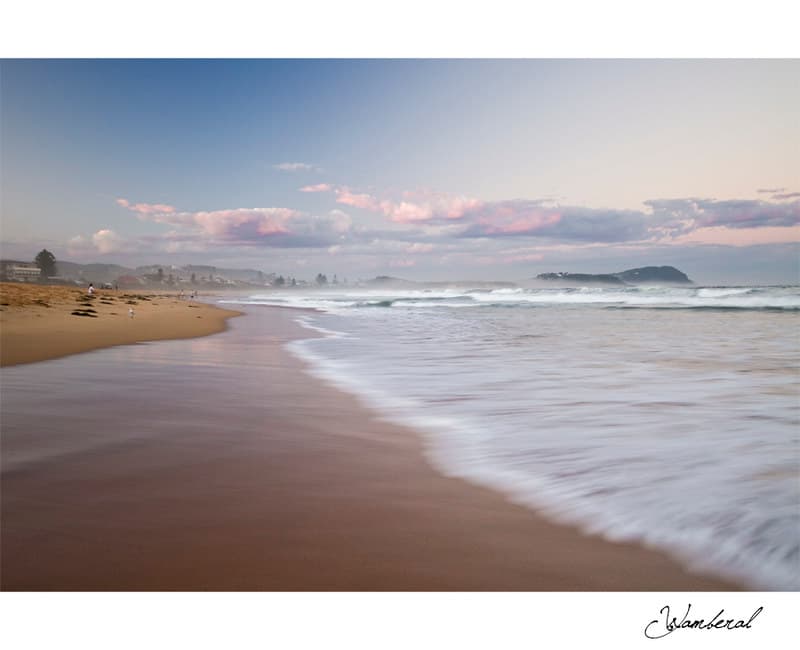
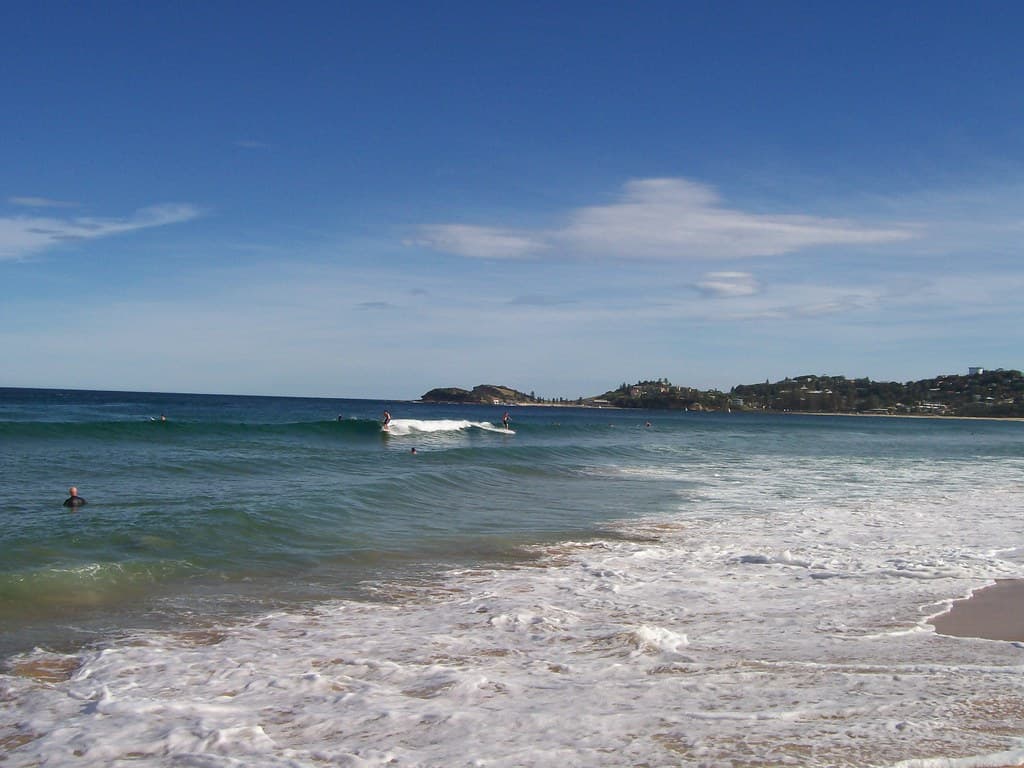
Photos
Wamberal Beach is an unpatrolled surf beach with strong currents, rips, and powerful waves, making it better suited for experienced swimmers and surfers. The beach lacks lifeguard services, so swim at your own risk and stay aware of ocean conditions. Check surf reports before entering the water, avoid swimming alone, and stay close to shore if you're not confident. During rough conditions, dangerous rips can form quickly. Families with children should consider nearby patrolled beaches like Terrigal Beach for safer swimming options.
Wamberal Beach is accessible year-round, with each season offering different experiences. Summer (December-February) brings warm weather ideal for beach activities, though it can be crowded. Autumn and spring offer pleasant temperatures with fewer visitors. Winter (June-August) attracts surfers seeking larger swells but requires wetsuits due to cooler water. Early mornings generally provide calmer conditions and stunning sunrises. The beach faces east, so it receives consistent surf throughout the year. Check weather forecasts and surf conditions before visiting, as conditions can change rapidly.
Parking at Wamberal Beach is available along Wamberal Avenue, which runs parallel to the beach. Street parking is free but limited, especially during peak summer weekends and holidays. Arrive early to secure a spot, particularly between 9am-3pm. Additional parking can be found on nearby residential streets, but respect local signage and restrictions. The beach access points are located at various streets intersecting Wamberal Avenue. During busy periods, consider visiting early morning or late afternoon, or use nearby Terrigal as an alternative with more parking options.
Wamberal Beach is primarily residential with limited beachfront amenities. You'll find a few local cafes and takeaway options within walking distance on Wamberal Avenue. For more dining variety, restaurants, shops, and supermarkets, nearby Terrigal (approximately 2km south) offers extensive options including beachfront cafes and fine dining. Accommodation ranges from holiday rentals and beach houses in Wamberal to hotels and resorts in Terrigal. There are no facilities directly on Wamberal Beach, so bring your own food, water, and shade for beach days.
Wamberal Beach has faced significant coastal erosion in recent years, with major events during severe storms exposing and damaging beachfront properties. The erosion results from a combination of rising sea levels, intense storm activity, and natural coastal processes. The beach's east-facing position makes it vulnerable to powerful ocean swells. Local authorities and residents continue to debate erosion management strategies, including seawalls and sand replenishment. While erosion doesn't prevent beach access, the beach profile changes regularly, and visitors may notice dramatic differences in sand levels, especially after significant weather events.