Counting the waves…
Counting the waves…

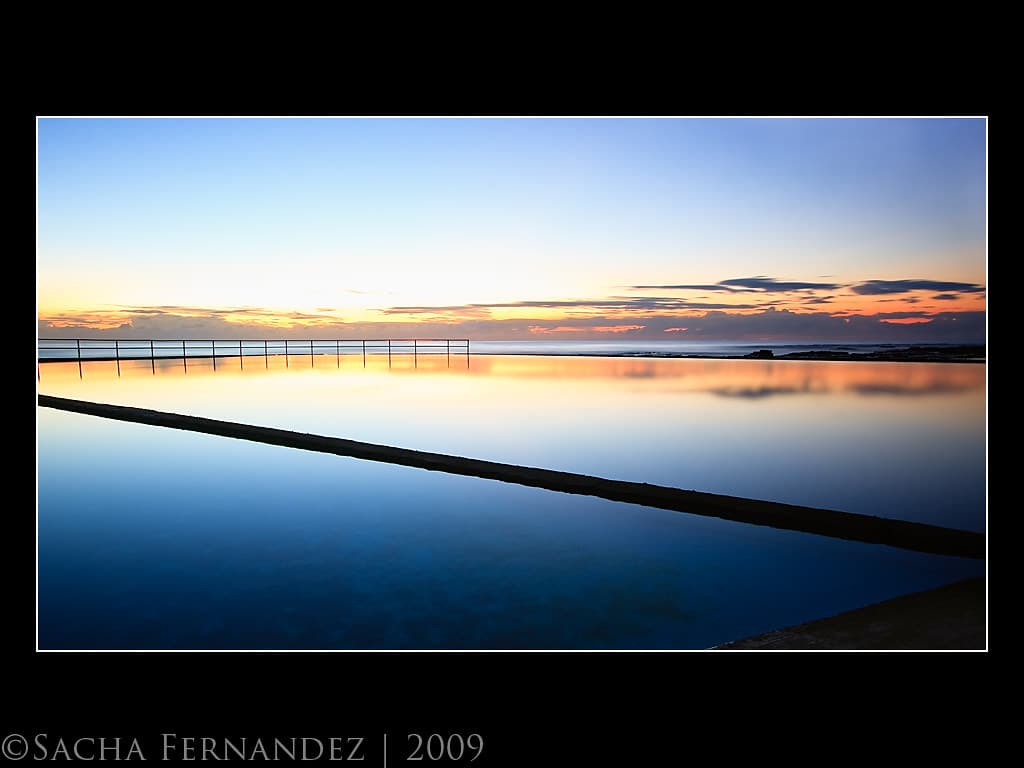
You park beside the railway line and descend wooden stairs that zigzag through coastal banksias, the scent of salt mixing with eucalyptus. The beach itself is barely two hundred metres wide—an intimate strip of coarse sand wedged between dark rock shelves. When the swell is kind, small waves peel left off the northern point, attracting a handful of longboarders who nod in silent acknowledgment. On calmer days, the shore break flattens to ankle-deep ripples perfect for wading. Unlike the crowded sands of Wollongong to the south, Wombarra remains the domain of retirees walking terriers, young families claiming the grassy reserve for birthday picnics, and couples who spread blankets near the rock pools at low tide. The ocean pool—a natural formation improved with concrete edges in the 1930s—sits at the southern end, its walls slick with green algae and small crabs darting between submerged stones. Timing matters here. Arrive mid-morning on a weekday and you might share the sand with three other souls. The single takeaway shop across the road serves hot chips in butcher paper, best eaten on the low seawall while coal trains lumber north. There's no pretense, no surf club pomp—just the Illawarra escarpment rising steeply behind, tree ferns clinging to sandstone folds, and the Pacific stretching uninterrupted to New Zealand.
Places, rentals, tours and events within walking and driving distance of Wombarra Beach.
Photos
Wombarra Beach is generally suitable for swimming, though conditions vary with swell and weather. The beach is unpatrolled, so swimmers should exercise caution and assess conditions before entering the water. A rock pool at the southern end provides a safer option for families with children and less confident swimmers. The beach can experience shore breaks and occasional rips, so it's best to swim between the flags when lifeguards are present during peak summer periods, or stay near the rock pool. Always check local surf reports before visiting.
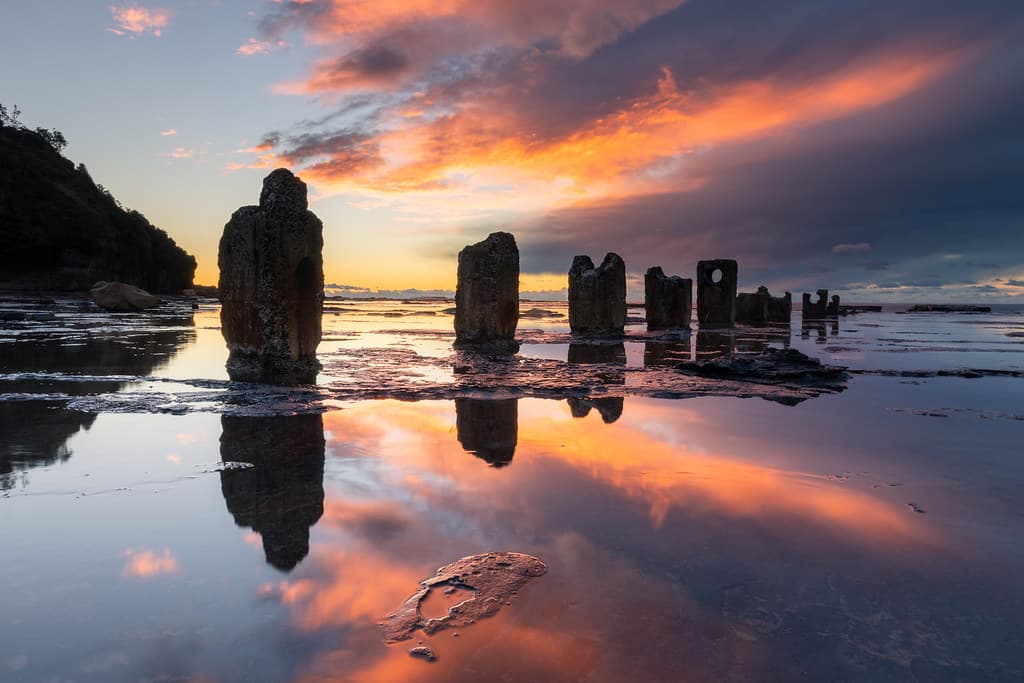
Wombarra Beach is pleasant year-round, with each season offering distinct appeal. Summer (December-February) brings warm weather ideal for swimming, though weekends can be busier. Autumn and spring offer mild temperatures perfect for beach walks and picnics with fewer crowds. Winter provides dramatic ocean views and is popular with photographers. The beach faces east, making sunrise particularly spectacular. Weekday visits generally guarantee a quieter, more secluded experience regardless of season, aligning with the beach's reputation as a hidden gem along the northern Illawarra coast.
Wombarra Beach is accessible via Wombarra Beach Road off Lawrence Hargrave Drive, approximately 15 minutes north of Wollongong. A small parking area is located at the end of Wombarra Beach Road near the beach access. Parking spaces are limited, so arriving early is recommended, especially on weekends and holidays. The beach is also accessible by train, with Wombarra Station on the South Coast Line located about a 10-minute walk from the beach. Street parking near the station provides an alternative when the beachfront lot is full.
Wombarra Beach has minimal on-site facilities—there's a basic toilet block but no cafes or kiosks directly at the beach. Visitors should bring their own food, drinks, and beach supplies. The nearby suburb has limited commercial options, but the neighbouring towns of Coledale (5 minutes north) and Thirroul (5 minutes south) offer cafes, restaurants, and shops. For accommodation, options are limited in Wombarra itself; visitors typically stay in larger Illawarra centres like Wollongong or explore vacation rentals in surrounding coastal villages. Plan to be relatively self-sufficient for a beach day here.
Wombarra Beach stands out for its secluded, peaceful atmosphere compared to busier Illawarra beaches. Nestled beneath tree-covered cliffs with the South Coast railway line visible above, it offers a uniquely intimate setting. The rock pool at the southern end is a distinctive feature perfect for safe swimming and snorkeling. The beach's relative anonymity means it rarely experiences the crowds of neighbouring beaches, making it especially appealing for couples seeking a romantic, scenic escape. Its dramatic coastal backdrop and unspoiled character create an authentic, old-fashioned Australian beach experience increasingly rare along developed coastlines.